
ملخص سريع: يُحدث التعلّم الآلي نقلة نوعية في ذكاء الأعمال من خلال أتمتة تحليل البيانات، وتمكين استخلاص رؤى تنبؤية، وتوسيع نطاق التعرف على الأنماط عبر مجموعات البيانات الضخمة. فبينما يركز ذكاء الأعمال التقليدي على التقارير التاريخية والتحليلات الوصفية، تتعلم خوارزميات التعلّم الآلي باستمرار من البيانات للتنبؤ بالاتجاهات واقتراح الإجراءات. وتشهد المؤسسات التي تدمج التعلّم الآلي في ذكاء الأعمال تحسناً ملحوظاً في قدراتها على اتخاذ القرارات، على الرغم من استمرار وجود تحديات تتعلق بجودة البيانات، ومتطلبات المهارات، وتكاليف التنفيذ.
لقد شهدت ذكاء الأعمال تغييراً جذرياً خلال السنوات الخمس الماضية. فما كان يقتصر سابقاً على لوحات المعلومات التي تعرض مبيعات الربع الماضي، أصبح الآن يشمل خوارزميات تتنبأ بتحولات السوق في الربع القادم قبل أن يلاحظ البشر هذه الأنماط.
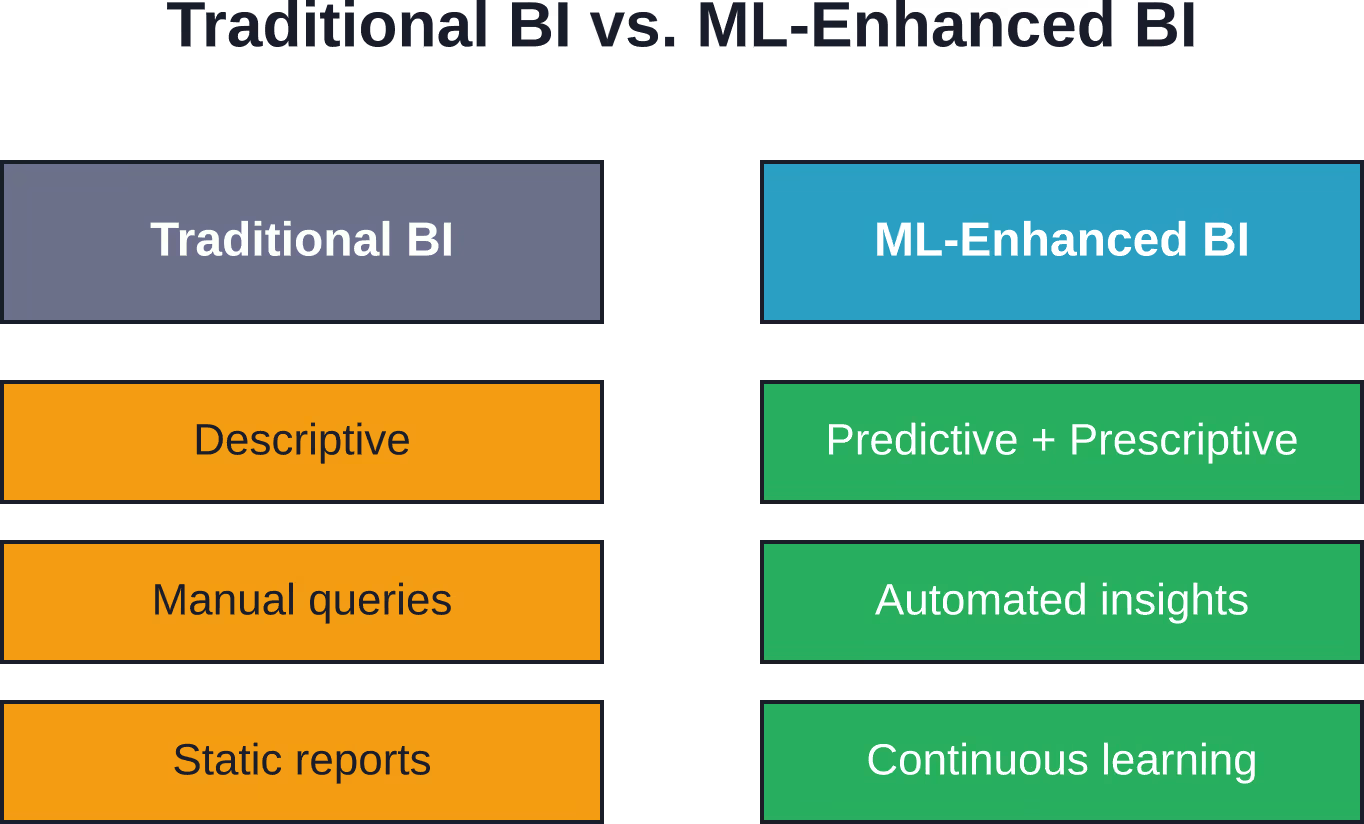
لا يقتصر دور التعلم الآلي على تسريع ذكاء الأعمال فحسب، بل إنه يغير ما هو ممكن. فالتحليلات التقليدية تخبرك بما حدث ولماذا، بينما يخبرك التعلم الآلي بما يُحتمل حدوثه لاحقًا وكيفية التعامل معه.
وتؤكد البيانات هذا الأمر. فبحسب بيانات مسح اتجاهات الأعمال والتوقعات الصادر عن مكتب الإحصاء الأمريكي للفترة من نوفمبر 2025 إلى فبراير 2026، تستخدم حوالي 181% من الشركات الذكاء الاصطناعي في وظيفة واحدة على الأقل من وظائفها التجارية.
لكن الأمر المثير للاهتمام هو أن معدل تبني الذكاء الاصطناعي يختلف اختلافًا كبيرًا باختلاف القطاع وحجم الشركة. تُظهر الشركات الكبيرة جدًا معدلات تبني عالية للذكاء الاصطناعي في قطاعات المعلومات والخدمات المهنية والمالية. في المقابل، تتخلف الشركات الصغيرة (من 1 إلى 4 موظفين) بمعدل تبني يبلغ 5.81 تيرابايت لكل 1000 موظف، مقارنةً بمعدل 7.81 تيرابايت لكل 1000 موظف للشركات التي تضم أكثر من 250 موظفًا.
ما يفعله التعلم الآلي فعلياً لذكاء الأعمال
تتفوق أدوات ذكاء الأعمال التقليدية في تنظيم البيانات التاريخية في تقارير. فهي تجيب على أسئلة وصفية: كم عدد الوحدات المباعة الشهر الماضي؟ ما هي المنطقة التي حققت أفضل أداء؟ ما هو معدل التحويل لدينا؟
يحوّل التعلّم الآلي التركيز إلى التنبؤ والوصف. تحدد خوارزميات التعلّم الآلي أنماطًا لا يستطيع البشر رؤيتها - ارتباطات بين عشرات المتغيرات التي تتنبأ بفقدان العملاء، أو ارتفاع الطلب، أو الاختناقات التشغيلية قبل أسابيع من حدوثها.
يكمن الاختلاف التقني في أهمية هذه التقنية. فمنصات ذكاء الأعمال تُشغّل استعلامات مُحددة مسبقًا على قواعد بيانات مُهيكلة. أما نماذج التعلم الآلي فتتدرب على البيانات، وتُعدّل معاييرها من خلال التعلم التكراري، وتُحسّن دقتها بمرور الوقت دون الحاجة إلى إعادة برمجة صريحة.
أربع قدرات أساسية توفرها تقنيات التعلم الآلي لذكاء الأعمال
- أولاً، التعرف الآلي على الأنماط عبر مجموعات البيانات الضخمة. قد يقارن المحلل البشري من 5 إلى 10 متغيرات لفهم اتجاهات المبيعات. بينما تستطيع خوارزمية التعلم الآلي تحليل مئات العوامل في آن واحد - كالموسمية، وأسعار المنافسين، وأنماط الطقس، ومشاعر وسائل التواصل الاجتماعي، والمؤشرات الاقتصادية - لتجد علاقات قد تستغرق من المحللين شهورًا لاكتشافها يدويًا.
- ثانيًا، التنبؤ التنبؤي. فبدلًا من توقع الأداء المستقبلي بناءً على المتوسطات التاريخية، تأخذ نماذج التعلم الآلي في الحسبان العلاقات المعقدة وغير الخطية. فهي تدرك أن زيادة سعر منتج 10% لا تؤدي بالضرورة إلى انخفاض الطلب، إذ يختلف التأثير باختلاف شريحة العملاء، ووقت السنة، والسياق التنافسي، وعشرات العوامل الأخرى التي يتعلم النموذج ترجيحها بشكل مناسب.
- ثالثًا، الكشف عن الحالات الشاذة على نطاق واسع. تراقب أنظمة التعلم الآلي آلاف المقاييس في وقت واحد، وتُشير إلى الأنماط غير المعتادة التي تُنبئ بفرص أو تهديدات. قد يُشير ارتفاع مفاجئ في استفسارات خدمة العملاء من منطقة معينة، بالإضافة إلى نشاط وسائل التواصل الاجتماعي وبيانات الطقس، إلى وجود عيب في المنتج - وهو أمر لا يمكن لأي لوحة تحكم رصده حتى يصبح النمط واضحًا.
- رابعًا، محركات التخصيص التي تُصمم الرؤى لتناسب كل صانع قرار على حدة. فبدلاً من لوحات المعلومات العامة التي تعرض مقاييس الشركة ككل، تُبرز أنظمة ذكاء الأعمال المدعومة بالتعلم الآلي نقاط البيانات المحددة التي يحتاجها كل مدير بناءً على دوره وقراراته السابقة وأولوياته الحالية.

قم ببناء برامج تعلم الآلة باستخدام الذكاء الاصطناعي المتفوق
متفوقة الذكاء الاصطناعي تُطوّر الشركة برمجيات ذكاء اصطناعي مُخصصة، تشمل نماذج التعلّم الآلي، وأدوات التحليلات التنبؤية، والتطبيقات القائمة على الذكاء الاصطناعي، وأنظمة تحليل البيانات. يدعم فريقها المشاريع بدءًا من مرحلة الاكتشاف ومراجعة البيانات وصولًا إلى تطوير الحد الأدنى من المنتج القابل للتطبيق، والتكامل، وتقييم النتائج.
بالنسبة لفرق ذكاء الأعمال، يمكن أن يدعم ذلك إعداد التقارير بشكل أكثر ذكاءً، وتحليل البيانات، والتنبؤ، واكتشاف الحالات الشاذة، والأدوات الداخلية المبنية حول بيانات الشركة.
هل تحتاج إلى بناء نظام تعلم آلي يعتمد على بياناتك؟
يمكن أن تساعدك تقنية الذكاء الاصطناعي المتفوقة في:
- بناء حلول مخصصة للتعلم الآلي
- تطوير أدوات التحليل التنبؤي
- اختبار الأفكار من خلال تطوير نموذج إثبات المفهوم أو المنتج الأولي القابل للتطبيق
- دمج الذكاء الاصطناعي في الأنظمة الحالية
👉 تواصل مع شركة AI Superior لمناقشة مشروعك.
أنماط التبني الحقيقية عبر مختلف الصناعات
يكشف المسح السنوي للأعمال لعام 2023 الصادر عن مكتب الإحصاء الأمريكي أن 3.91 تريليون شركة فقط استخدمت الذكاء الاصطناعي لإنتاج السلع أو الخدمات بين أكتوبر ونوفمبر 2023. لكن هذا الرقم الإجمالي يخفي اختلافات كبيرة بين القطاعات.
تتصدر الخدمات المهنية والعلمية والتقنية القائمة بمعدل تبني بلغ 9.1%. ويُظهر قطاع المعلومات - بما في ذلك منتجي البرمجيات ومزودي البنية التحتية للحوسبة ومعالجي البيانات - معدلات عالية مماثلة. في المقابل، يبلغ معدل تبني خدمات الإقامة والطعام 1.2%.
يُبرز حجم الشركات التفاوت بشكلٍ أكبر. تُظهر أكبر الشركات (أكثر من 250 موظفًا) معدل استخدام للذكاء الاصطناعي يبلغ 7.81 نقطة مئوية لكل 3000 موظف، مع أعلى معدل نمو يصل إلى 0.11 نقطة مئوية كل أسبوعين. أما أصغر الشركات (من 1 إلى 4 موظفين) فتسجل معدل استخدام يبلغ 5.81 نقطة مئوية لكل 3000 موظف، بنمو لا يتجاوز 0.05 نقطة مئوية كل أسبوعين، أي نصف معدل نمو منافسيها الأكبر حجمًا.
ماذا عن نطاق التطبيق؟ من بين الشركات التي تستخدم الذكاء الاصطناعي، تدمج شركة 57% هذه التقنية في ثلاث وظائف أعمال أو أقل. وتمثل المبيعات والتسويق التطبيق الأكثر شيوعًا في شركة 52%، تليها استخدامات تشغيلية وتحليلية متنوعة.
وبالنظر إلى المستقبل، هناك مؤشرات على تسارع وتيرة التبني، على الرغم من أن التنفيذ الفعلي غالباً ما يتأخر عن النوايا.
لماذا يُعدّ الحجم والقطاع مهمين؟
تتمتع المؤسسات الكبيرة بمزايا يصعب على المنافسين الأصغر حجماً محاكاتها. فهي تُنتج كميات أكبر من البيانات، مما يوفر الحجم اللازم لخوارزميات التعلم الآلي للتدريب الدقيق. كما أنها قادرة على توظيف فرق متخصصة في علوم البيانات. بالإضافة إلى امتلاكها البنية التحتية التقنية اللازمة للتعلم الآلي، من موارد الحوسبة السحابية ومستودعات البيانات وقدرات التكامل.
تعكس الاختلافات القطاعية الفرص والجدوى على حد سواء. تتولى شركات الخدمات المهنية الأعمال كثيفة المعلومات حيث يقدم التعلم الآلي قيمة واضحة. ويمكن لشركات التصنيع توظيف التعلم الآلي في مراقبة الجودة والصيانة التنبؤية وتحسين سلسلة التوريد. أما تجار التجزئة فيستخدمونه للتنبؤ بالطلب وتخصيص المنتجات.
أما خدمات الإقامة والطعام؟ فالأمر يصبح أكثر غموضاً. تعمل هذه الشركات بهوامش ربح ضئيلة، وتعتمد بشكل كبير على التفاعل البشري الذي يقاوم الأتمتة، وتنتج بيانات أقل تنظيماً من الصناعات كثيفة المعلومات.
تطبيقات عملية تُظهر نتائج حقيقية
يُعدّ ضبط الجودة أحد أبسط تطبيقات التعلّم الآلي في ذكاء الأعمال. وقد استخدمت دراسة حالة من قطاع صناعة السيارات شبكة عصبية التفافية (CNN) لتصنيف البراغي المعيبة في نماذج السيارات الافتراضية. حقق النموذج دقة تزيد عن 97%، متجاوزًا بذلك بكثير أساليب الفحص اليدوي، مع معالجة البيانات بسرعة أكبر وبتكلفة أقل.
تُعدّ الدقة أمراً بالغ الأهمية. فمراقبة الجودة اليدوية تعاني من الإرهاق وعدم الاتساق والتحيز. وقد يُشير المفتش إلى العيوب بشكلٍ أكثر دقة في بداية نوبته مقارنةً بنهايتها. بينما تحافظ نماذج التعلّم الآلي على معايير متسقة عبر ملايين عمليات التفتيش.
تُظهر تطبيقات تجربة العملاء نتائج مبهرة. وتشير الأبحاث المذكورة في المواد الأكاديمية حول تطبيقات الذكاء الاصطناعي إلى أن المديرين التنفيذيين يتوقعون على نطاق واسع أن يتفاعل الذكاء الاصطناعي التوليدي مع العملاء. وتتولى روبوتات الدردشة المدعومة بالذكاء الاصطناعي معالجة الاستفسارات الروتينية على مدار الساعة طوال أيام الأسبوع دون تكاليف إضافية للموظفين، مما يتيح للموظفين البشريين التركيز على القضايا المعقدة التي تتطلب حُكمًا سليمًا وتعاطفًا. ويتتبع مكون ذكاء الأعمال أنماط المحادثات، ويحدد نقاط الضعف الشائعة، والقضايا الناشئة، وفرص تحسين المنتجات أو العمليات.
معلومات المبيعات والتسويق
تُعدّ محركات التوصيات أبرز تطبيقات التعلّم الآلي في مجال الأعمال. فبحسب دراسات الحالة، تُشير منصات المحتوى إلى أن أكثر من 801 تريليون روبية من المحتوى المُبثّ تأتي من توصيات مدعومة بالتعلّم الآلي. ولا يقتصر الأمر على زيادة التفاعل فحسب، بل يشمل أيضاً الحفاظ على العملاء، وتقليل معدل التخلي عن الخدمة، ورفع قيمة العميل على المدى الطويل.
تعتمد البنية التحتية الأساسية لذكاء الأعمال على تتبع سلوك المستخدمين وتفضيلاتهم وسياقهم. تعالج خوارزميات التعلم الآلي هذه البيانات للتنبؤ بما يريده كل مستخدم لاحقًا. قد يصنف ذكاء الأعمال التقليدي العملاء إلى فئات عامة، بينما يُنشئ التعلم الآلي شرائح فردية - تنبؤات شخصية لكل فرد بناءً على تاريخه الفريد ومدى تشابهه مع مستخدمين آخرين ذوي أنماط مماثلة.
تستخدم شركات التجارة الإلكترونية أساليب مماثلة لتوصيات المنتجات، وتحسين الأسعار، وتخصيص المخزون. تتنبأ نماذج التعلم الآلي بالطلب على مستويات دقيقة - حسب المنتج والموقع والوقت - مما يُمكّن الشركات من تخزين المنتجات المناسبة في الأماكن التي ستبيعها مع تقليل تكاليف المخزون الزائد.
الأثر على التوظيف: ما حدث بالفعل
تتصدر المخاوف من أن يؤدي الذكاء الاصطناعي إلى فقدان الوظائف عناوين الأخبار. ويقدم المسح السنوي للأعمال لعام 2023 الصادر عن مكتب الإحصاء بيانات فعلية حول ما حدث عندما تبنت الشركات الذكاء الاصطناعي بين عامي 2020 و2022.
تُظهر بيانات البطالة صورةً أكثر تعقيدًا. فبين عامي 2022 وبداية عام 2025، تُشير دراسةٌ أجرتها مجموعة الابتكار الاقتصادي إلى أن معدل البطالة ارتفع بنسبة أقل بين العمال الأكثر تعرضًا للذكاء الاصطناعي (بزيادة قدرها 0.30 نقطة مئوية) مقارنةً بالعمال الأقل تعرضًا له. فقد ارتفعت البطالة بين العمال الأقل تعرضًا للذكاء الاصطناعي بنسبة 0.94 نقطة مئوية.
اقرأ ذلك مجدداً. شهد العمال الذين تُعدّ وظائفهم الأكثر عرضةً لتأثير الذكاء الاصطناعي ارتفاعاً أقل في معدلات البطالة مقارنةً بالعمال الذين يشغلون وظائف يصعب على الذكاء الاصطناعي محاكاتها. وهذا يناقض تماماً فكرة نهاية العالم بسبب الأتمتة.
تغييرات المهارات والقوى العاملة
لا تعكس أرقام التوظيف الصورة كاملة. فالذكاء الاصطناعي يغير ما يفعله العمال، حتى عندما يظل عدد الموظفين ثابتاً.
عمليًا، يعني هذا أن محللي ذكاء الأعمال يقضون وقتًا أقل في استخراج البيانات ووقتًا أطول في تحليل النتائج واقتراح الإجراءات. وتركز فرق التسويق على الاستراتيجية وتطوير المحتوى الإبداعي، بينما يتولى التعلم الآلي تجزئة الجمهور وتحسين عروض الأسعار. أما المحللون الماليون، فيركزون على التخطيط الاستراتيجي بدلًا من صيانة جداول البيانات.
تحديات التنفيذ ذات الأهمية الحقيقية
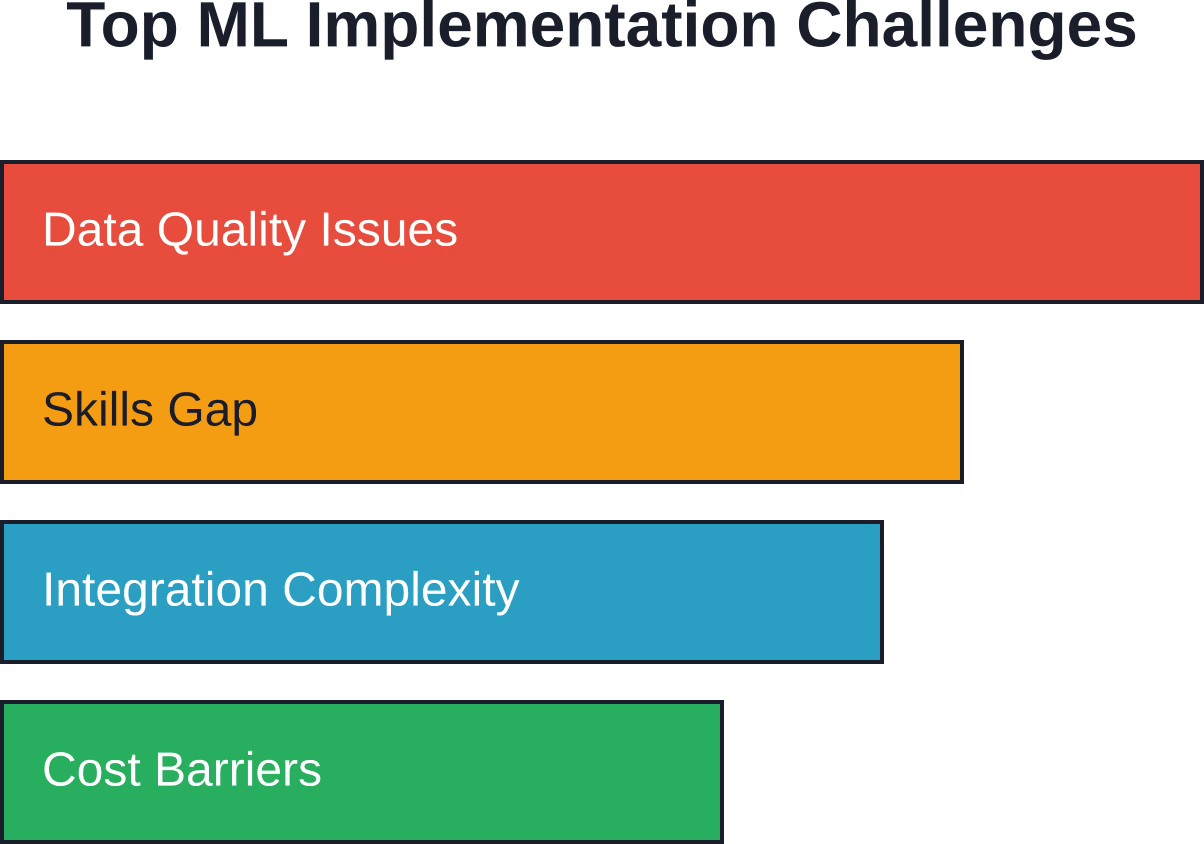
تتصدر جودة البيانات قائمة تحديات تطبيق التعلم الآلي، وذلك لسبب وجيه. تتعلم نماذج التعلم الآلي من بيانات التدريب، وإذا احتوت هذه البيانات على أخطاء أو تحيزات أو ثغرات، فإن النموذج يرث هذه العيوب.
يحتاج المصنّع الذي يحاول التنبؤ بأعطال المعدات إلى سجلات صيانة وبيانات أجهزة استشعار وسجلات تشغيلية تمتد لسنوات. إذا لم يسجل الفنيون عمليات الإصلاح بشكل منتظم، أو إذا انحرفت أجهزة الاستشعار عن معايرتها، أو إذا كان مستودع البيانات يحتوي على ثغرات ناتجة عن عمليات نقل الأنظمة، فإن نموذج التعلم الآلي يتدرب على بيانات غير دقيقة وينتج بيانات غير دقيقة.
يمثل الحصول على البيانات عقبة أخرى. تتطلب خوارزميات التعلم الآلي كميات كبيرة من البيانات المنظمة قبل أن تقدم نتائج مفيدة. غالبًا ما تفتقر الشركات الناشئة والشركات الصغيرة إلى البيانات التاريخية اللازمة للتدريب الفعال. حتى المؤسسات الكبيرة قد تمتلك بيانات متناثرة عبر أنظمة غير متوافقة، أو محفوظة في ملفات PDF، أو مدفونة في تنسيقات غير منظمة يصعب على التعلم الآلي معالجتها.
فجوة المهارات
يتطلب بناء وصيانة أنظمة التعلم الآلي خبرة متخصصة لا تزال نادرة ومكلفة. ويتقاضى علماء البيانات ومهندسو التعلم الآلي والمتخصصون في الذكاء الاصطناعي رواتب عالية. ولا تستطيع المؤسسات الصغيرة منافسة عمالقة التكنولوجيا والشركات الناشئة الممولة تمويلاً جيداً على هذه الكفاءات.
تُسهّل منصات التعلّم الآلي السحابية، مثل Azure Machine Learning وGoogle Cloud AI، بعض التحديات من خلال توفير خوارزميات وبنية تحتية جاهزة. يُحدد Azure Machine Learning اتفاقية مستوى خدمة (SLA) بنسبة 99.9% لضمان استمرارية الخدمة، وتتولى هذه المنصات السحابية العمليات الحسابية المعقدة. مع ذلك، لا تزال تتطلب خبرةً لضبط الإعدادات بشكل صحيح، وإعداد البيانات بدقة، وتفسير النتائج بدقة.
أما البديل، وهو منصات ذكاء الأعمال الخارجية المزودة بإمكانيات تعلم آلي مدمجة، فيوفر سهولة أكبر في التنفيذ ولكنه أقل قابلية للتخصيص. تعمل هذه الأدوات بكفاءة في حالات الاستخدام الشائعة مثل التنبؤ بالمبيعات وتصنيف العملاء، لكنها تواجه صعوبة في التطبيقات المتخصصة التي تتطلب خوارزميات خاصة بمجال معين.
تعقيد التكامل
لا تعمل تقنيات التعلم الآلي بمعزل عن غيرها. فهي تحتاج إلى الاتصال بمصادر البيانات، والتكامل مع لوحات معلومات ذكاء الأعمال الحالية، وتغذية الأنظمة التشغيلية التي يتخذ فيها الأشخاص القرارات برؤى ثاقبة.
يجب على متاجر التجزئة التي تستخدم التعلم الآلي لتحسين إدارة المخزون دمج التنبؤات مع أنظمة الشراء، وبرامج إدارة المستودعات، ومنصات سلسلة التوريد. ويتطلب ذلك واجهات برمجة تطبيقات، وخطوط نقل بيانات، وبرمجيات وسيطة تفتقر إليها العديد من المؤسسات.
تُسبب الأنظمة القديمة تعقيدات إضافية. فقد تجد شركة تستخدم برنامج تخطيط موارد المؤسسات (ERP) عمره 15 عامًا أن هياكل بياناتها غير متوافقة مع منصات التعلم الآلي الحديثة. وتُعدّ عملية الترحيل مكلفة ومحفوفة بالمخاطر، كما أن صيانة الأنظمة المتوازية معقدة وعرضة للأخطاء.
متى لا يزال الذكاء الاصطناعي التقليدي أكثر منطقية
لا يُعدّ التعلّم الآلي الحل الأمثل دائماً. فبعض مشاكل الأعمال لا تحتاج إلى خوارزميات تنبؤية، بل تحتاج إلى تقارير واضحة عمّا حدث بالفعل.
تفتقر الشركات الناشئة التي لم يمضِ على تأسيسها سوى ستة أشهر إلى حجم البيانات الذي تتطلبه تقنيات التعلم الآلي. توفر لوحات معلومات ذكاء الأعمال التقليدية التي تعرض المقاييس الأساسية - كالإيرادات وتكلفة اكتساب العملاء ومعدل التخلي عن الخدمة - قيمة أكبر من نماذج التعلم الآلي المدربة على بيانات غير كافية.
قد لا تستفيد العمليات البسيطة والمستقرة من تعقيدات التعلم الآلي. فإذا كان طلب العملاء يتبع أنماطًا موسمية متوقعة مع حد أدنى من التباين، فإن نموذج التنبؤ الأساسي باستخدام المتوسطات التاريخية يكفي. إضافة التعلم الآلي تُضيف أعباء صيانة دون تحسين الدقة.
غالباً ما يتطلب الامتثال للوائح اتخاذ قرارات قابلة للتفسير. تعمل نماذج التعلم الآلي، وخاصة الشبكات العصبية للتعلم العميق، كصناديق سوداء. فهي تُنتج تنبؤات دقيقة، لكنها لا تستطيع دائماً تفسير السبب. قد تحتاج قطاعات مثل الخدمات المصرفية والرعاية الصحية إلى أنظمة تقليدية قائمة على القواعد توفر سجلات تدقيق ومنطقاً شفافاً.
حساب التكلفة والعائد
تشمل تكاليف تطبيق التعلم الآلي البنية التحتية للبيانات، والكفاءات المتخصصة، والموارد الحاسوبية، والصيانة المستمرة. ولا تبرر التحسينات الطفيفة في دقة التنبؤ هذه النفقات دائمًا.
قد توفر شركة تنفق 50,000 دولار سنويًا على تكاليف الاحتفاظ بالمخزون ما بين 10 و151 تريليون دولار من خلال تحسين عمليات الطلب باستخدام التعلم الآلي. أي ما يعادل وفورات سنوية تتراوح بين 5,000 و7,500 دولار. إذا بلغت تكلفة تطبيق التعلم الآلي 30,000 دولار، وتطلبت صيانته 10,000 دولار سنويًا، فإن فترة استرداد التكلفة تتجاوز ثلاث سنوات، بافتراض أن النموذج يعمل كما هو متوقع.
قارن ذلك بتاجر تجزئة يدير مخزونًا بقيمة 10 ملايين. يُحقق نفس التحسين (10-15%) وفورات سنوية تتراوح بين 1 و1.5 مليون، مما يُبرر استثمارًا كبيرًا في التعلم الآلي مع عائد سريع.
الحجم مهم. يتم توزيع التكاليف الثابتة للتعلم الآلي على أحجام تشغيلية أكبر، مما يجعله اقتصاديًا للمؤسسات الكبيرة وصعبًا بالنسبة للمؤسسات الصغيرة.
اختيار النهج المناسب لمنظمتك
ابدأ بتحديد مشكلات العمل المحددة التي يُمكن أن يُحقق فيها التنبؤ أو الأتمتة قيمةً ملموسة. "يجب أن نستخدم الذكاء الاصطناعي" ليست استراتيجية. "نحتاج إلى تقليل معدل فقدان العملاء من خلال تحديد الحسابات المعرضة للخطر قبل ثلاثة أشهر من مغادرتها" هي الاستراتيجية.
قيّم جاهزية البيانات. هل لديك بيانات تاريخية كافية؟ هل هي نظيفة ومنظمة وسهلة الوصول؟ هل يمكنك تصنيف النتائج (أي العملاء الذين توقفوا عن استخدام الخدمة، وأي المعدات تعطلت) لتدريب نماذج التعلم الخاضع للإشراف؟
قيّم خيارات التطوير الداخلي مقابل الشراء. يوفر بناء نماذج التعلم الآلي المخصصة أقصى قدر من المرونة، ولكنه يتطلب قدرات تقنية عالية. أما شراء منصات ذكاء الأعمال المزودة بتقنيات التعلم الآلي المدمجة - وهي أدوات تعمل على أتمتة توليد الرؤى واكتشاف الأنماط - فيوفر قيمة أسرع مع تقليل الحاجة إلى التخصيص.
مسار التنفيذ المرحلي
تنجح المؤسسات بالبدء بخطوات صغيرة وتوسيع نطاق ما ينجح. اختر حالة استخدام واحدة ذات قيمة عالية مع بيانات دقيقة ومؤشرات نجاح واضحة. قم ببناء حل أو شرائه. اختبره بدقة. قِس النتائج.
إذا نجحت التجربة، يمكن التوسع لتشمل حالات استخدام أخرى. يمكن لنموذج التنبؤ بالمبيعات الناجح أن يمتد ليشمل تخطيط المخزون، ثم جدولة الإنتاج، ثم التفاوض مع الموردين. وتعتمد كل خطوة على البنية التحتية للبيانات السابقة والتعلم التنظيمي.
إذا فشلت التجربة، فإن نطاقها المحدود يحد من الأضرار. تُعلّم مشاريع التعلم الآلي الفاشلة دروسًا قيّمة حول فجوات البيانات، وجاهزية المؤسسة، واختيار المشكلات - وهي دروس يُفضّل تعلمها من خلال استثمارات صغيرة بدلاً من عمليات التحول الشاملة للشركة.
| حجم المنظمة | نقطة البداية الموصى بها | الاعتبارات الرئيسية |
|---|---|---|
| الشركات الصغيرة (من 1 إلى 50 موظفًا) | ميزات التعلم الآلي الجاهزة في منصات ذكاء الأعمال | حجم بيانات محدود، وميزانيات ضيقة، والحاجة إلى تحقيق نتائج سريعة |
| متوسطة (51-250 موظفًا) | مشاريع تعلم آلي مُستهدفة بدعم من البائع | تزايد أصول البيانات، وبعض القدرات التقنية، ونقاط الضعف المحددة |
| شركة كبيرة (أكثر من 250 موظفًا) | تطوير التعلم الآلي المخصص بواسطة فرق داخلية | بيانات ضخمة، يمكنها جذب المواهب المتخصصة، وحالات استخدام معقدة |
| شركة (أكثر من 1000 موظف) | مراكز التميز في مجال التعلم الآلي التي تخدم وظائف متعددة | وفورات الحجم، والتعقيد التنظيمي، وتحديات التكامل |
نظرة مستقبلية: المشهد الحضري لعام 2026
يتسارع تبني تقنيات التعلم الآلي باستمرار. وتشير استطلاعات رأي الشركات إلى تزايد اهتمام المؤسسات بتبني الذكاء الاصطناعي في الأشهر المقبلة. وتُسهّل المنصات السحابية الوصول إلى هذه التقنيات. كما تُقلل خدمات التعلم الآلي من Azure Machine Learning وGoogle Cloud AI وAWS من عوائق البنية التحتية. وتتيح النماذج المُدرّبة مسبقًا للمهام الشائعة - مثل تحليل المشاعر والتعرف على الصور والتنبؤ بالطلب - للمؤسسات تطبيق التعلم الآلي دون الحاجة إلى بنائه من الصفر.
لكنّ فجوة المهارات لا تزال قائمة. فما زال علماء البيانات نادرين ومكلفين. وتتجه المؤسسات بشكل متزايد إلى علم البيانات الذي يُشرك فيه المواطنون، وذلك بتزويد محللي الأعمال بأدوات مدعومة بالتعلم الآلي تُؤتمت اختيار الخوارزميات وضبطها. ويُضحي هذا النهج بالتخصيص مقابل سهولة الوصول.
يتزايد التدقيق التنظيمي. وتُجري الحكومات في جميع أنحاء العالم دراساتٍ حول التحيز في الذكاء الاصطناعي، والشفافية، والمساءلة. وسيُحدد قانون الذكاء الاصطناعي في الاتحاد الأوروبي، والتشريعات المماثلة في أماكن أخرى، كيفية تطبيق المؤسسات لأنظمة التعلم الآلي وتوثيقها. ومن المتوقع ارتفاع تكاليف الامتثال، لا سيما في القطاعات الخاضعة للتنظيم.
الأسئلة الشائعة
كيف يختلف التعلم الآلي عن ذكاء الأعمال التقليدي؟
يركز ذكاء الأعمال التقليدي على التحليلات الوصفية، حيث يعرض ما حدث من خلال لوحات المعلومات والاستعلامات والرسوم البيانية. بينما يُمكّن التعلم الآلي من التحليلات التنبؤية والتوجيهية، إذ يتنبأ بالنتائج المستقبلية ويقترح إجراءات بناءً على التعرف على الأنماط في مجموعات البيانات الضخمة. يُخبرك ذكاء الأعمال بمبيعات الربع الماضي حسب المنطقة، بينما يتنبأ التعلم الآلي بمبيعات الربع القادم ويقترح استراتيجيات التسعير الأمثل.
هل أحتاج إلى فريق متخصص في علوم البيانات لاستخدام التعلم الآلي في ذكاء الأعمال؟
ليس بالضرورة. تُدمج منصات ذكاء الأعمال السحابية بشكل متزايد إمكانيات التعلم الآلي التي تتطلب خبرة فنية محدودة. تعمل هذه الأدوات على أتمتة اختيار الخوارزميات وتدريبها ونشرها لحالات الاستخدام الشائعة مثل التنبؤ بالمبيعات وتصنيف العملاء. تتطلب مشاريع التعلم الآلي المخصصة لحل مشكلات الأعمال الفريدة مهارات متخصصة، لكن العديد من المؤسسات تبدأ بحلول جاهزة قبل توظيف علماء بيانات.
ما هي النسبة المئوية للشركات التي تستخدم الذكاء الاصطناعي حالياً في عملياتها؟
بحسب بيانات مسح اتجاهات الأعمال وتوقعاتها الصادر عن مكتب الإحصاء الأمريكي للفترة من نوفمبر 2025 إلى فبراير 2026، يستخدم ما يقارب 181% من الشركات الذكاء الاصطناعي في وظيفة واحدة على الأقل من وظائفها. مع ذلك، يتباين هذا الرقم بشكل كبير حسب حجم الشركة وقطاعها. تُظهر أكبر الشركات (التي تضم أكثر من 250 موظفًا) معدل استخدام للذكاء الاصطناعي يبلغ 7.8%، بينما تُظهر الشركات الكبيرة جدًا في قطاعات المعلومات والخدمات المهنية والمالية معدلات استخدام عالية.
هل سيؤدي التعلم الآلي إلى إلغاء الوظائف في مجال تحليل الأعمال؟
تشير البيانات الحالية إلى أن التعلم الآلي يُعزز عمل المحللين بدلاً من أن يحل محلهم. إذ يتولى التعلم الآلي معالجة البيانات الروتينية، مما يُتيح للمحللين التفرغ لتفسير البيانات ذات القيمة الأعلى والعمل الاستراتيجي. وقد شهد العاملون في الوظائف الأكثر عرضة لتأثير الذكاء الاصطناعي ارتفاعاً أقل في معدلات البطالة مقارنةً بالعاملين في الوظائف التي يصعب على الذكاء الاصطناعي محاكاتها.
ما هي أكبر التحديات عند تطبيق التعلم الآلي في مجال ذكاء الأعمال؟
تُعدّ جودة البيانات التحدي الأكبر باستمرار. تتطلب نماذج التعلّم الآلي كميات هائلة من البيانات النظيفة والمنظمة والمصنفة، وهو ما تفتقر إليه العديد من المؤسسات. ويأتي نقص المهارات في المرتبة الثانية؛ إذ لا يزال علماء البيانات ومهندسو التعلّم الآلي نادرين ومكلفين. ويُضيف تعقيد التكامل مزيدًا من الصعوبات، لا سيما للشركات التي تعتمد على أنظمة قديمة. وأخيرًا، تمنع العوائق المالية المؤسسات الصغيرة من منافسة استثمارات التعلّم الآلي التي تستطيع الشركات الكبرى تحمّلها.
ما مقدار البيانات التي أحتاجها قبل أن يصبح التعلم الآلي مفيداً؟
يعتمد الجواب على مدى تعقيد المشكلة وتنوعها. قد تُنتج مهام التنبؤ البسيطة نتائج مفيدة باستخدام مئات أو آلاف السجلات التاريخية. أما التعرف على الأنماط المعقدة عبر العديد من المتغيرات فقد يتطلب ملايين نقاط البيانات. وكقاعدة عامة، إذا لم تتمكن من تحديد الأنماط من خلال التحليل التقليدي لأن مجموعة بياناتك كبيرة جدًا أو معقدة، فمن المرجح أن يكون لدى التعلم الآلي بيانات كافية للعمل معها. أما إذا تمكنت من رصد الأنماط يدويًا، فربما تحتاج إلى المزيد من البيانات قبل أن يُضيف التعلم الآلي قيمة.
ما هي وظائف الأعمال التي تُظهر أعلى معدلات تبني التعلم الآلي؟
تتصدر المبيعات والتسويق قائمة الشركات التي تستخدم الذكاء الاصطناعي بنسبة 521%، وفقًا لبيانات مكتب الإحصاء الأمريكي. وهذا أمر منطقي، إذ تُنتج هذه الوظائف كميات هائلة من البيانات المنظمة (تفاعلات العملاء، وأداء الحملات، ومقاييس التحويل) التي تستطيع خوارزميات التعلم الآلي معالجتها بسهولة. تليها خدمة العملاء والعمليات والمالية، مع العلم أن معدلات استخدام الذكاء الاصطناعي تختلف باختلاف القطاع وحجم الشركة.
المضي قدماً باستخدام ذكاء الأعمال المعزز بالتعلم الآلي
يُوسّع التعلّم الآلي بشكلٍ جذريّ نطاق ما يُمكن أن تُحقّقه ذكاء الأعمال. ولا تزال ميزة ذكاء الأعمال التقليدي - وهي تقديم تقارير واضحة عن الأداء التاريخي - قيّمة. يُضيف التعلّم الآلي قدرة تنبؤية وأتمتة تتجاوز القدرة التحليلية البشرية.
تتشارك المؤسسات التي تحقق نتائج ملموسة في سمات مشتركة. فهي تبدأ بمعالجة مشكلات أعمال محددة بدلاً من التركيز على التكنولوجيا أولاً. وتستثمر في البنية التحتية للبيانات قبل الخوارزميات. وتبني القدرات تدريجياً بدلاً من محاولة إحداث تحولات شاملة على مستوى المؤسسة. كما أنها تنظر إلى التعلم الآلي على أنه يُعزز عملية اتخاذ القرار البشري، لا أن يحل محلها.
تُظهر بيانات التبني انتقال التعلم الآلي من مرحلة التبني المبكر إلى الممارسة التجارية السائدة. ويمثل استخدام 181 شركة للذكاء الاصطناعي في وظائفها التجارية نقطة تحول حاسمة. إذ يتحول ذكاء الأعمال المُعزز بالتعلم الآلي من ميزة تنافسية إلى ضرورة تنافسية.
بالنسبة لقادة الأعمال، لا يكمن السؤال في ما إذا كان ينبغي دمج التعلم الآلي في ذكاء الأعمال، بل في متى وكيف. ستقود المؤسسات التي تجيب على هذا السؤال بمشاريع تجريبية ملموسة، ومؤشرات نجاح واضحة، وخطط تنفيذ مرحلية، قطاعاتها. أما تلك التي تنتظر وضوحًا تامًا، فستجد نفسها تحلل نجاح المنافسين في لوحات معلومات لا تستطيع التنبؤ بمستقبلها.
ابدأ بخطوات صغيرة. اختر مشكلة واحدة ذات قيمة عالية. احصل على بيانات دقيقة. اختبر بدقة. وسّع نطاق ما ينجح. مستقبل ذكاء الأعمال لا يكمن في استبدال الحكم البشري بالخوارزميات، بل في تمكين اتخاذ قرارات أفضل من خلال الجمع بينهما.
 Arabic
  English
  German
  French
  Dutch
Dutch  Spanish