
ملخص سريع: تُطبّق تقنيات التعلّم الآلي في إدارة الشبكات خوارزميات الذكاء الاصطناعي لأتمتة المراقبة، وتحسين الأداء، والتنبؤ بالأعطال، وتعزيز الأمن في الشبكات الحديثة. تشمل التطبيقات الرئيسية اكتشاف الحالات الشاذة بدقة تصل إلى 93%، والتخطيط التنبؤي للسعة، وتصفية الإنذارات الذكية، واستكشاف الأخطاء وإصلاحها تلقائيًا مما يقلل من وقت التوقف. تُحوّل إدارة الشبكات المدعومة بالتعلّم الآلي العمليات التفاعلية إلى أنظمة استباقية ذاتية التحسين، وهي ضرورية لشبكات الجيل الخامس، والحوسبة السحابية، والبنى التحتية الافتراضية.
لقد ازداد تعقيد الشبكات بشكلٍ هائل. تدير المؤسسات بيئات الحوسبة السحابية الهجينة، والخدمات الافتراضية، وأساطيل إنترنت الأشياء، وبنية الجيل الخامس التحتية في آنٍ واحد. ولا تستطيع أدوات الإدارة التقليدية القائمة على القواعد مواكبة هذا التطور.
يُغيّر التعلّم الآلي المعادلة. فبدلاً من كتابة قواعد يدوية لكل حالة شبكة محتملة، تتعلم خوارزميات التعلّم الآلي الأنماط من البيانات التشغيلية. فهي تكتشف الحالات الشاذة، وتتنبأ باحتياجات السعة، وتُؤتمت الاستجابات بسرعة تفوق قدرة الفرق البشرية.
بحسب أبحاث معهد مهندسي الكهرباء والإلكترونيات (IEEE)، أصبحت تقنيات التعلم الآلي ضرورية لأتمتة التحكم وإدارة الأنظمة المعقدة مثل شبكات الجيل الخامس (5G) والشبكات المستقبلية. لم تعد هذه التقنية مجرد نظرية، بل تُحقق نتائج ملموسة في بيئات الإنتاج اليوم.
لماذا تحتاج الشبكات إلى التعلم الآلي الآن
تُنتج الشبكات الحديثة كميات هائلة من بيانات القياس عن بُعد. ويُحدد إطار عمل قياس بيانات الشبكة التابع لفرقة عمل هندسة الإنترنت (RFC 9232، المنشور في مايو 2022) كيفية جمع الشبكات للبيانات التشغيلية وعرضها. إلا أن جمع البيانات لا يحل سوى نصف المشكلة.
لا يستطيع المشغلون البشريون معالجة آلاف البيانات في الثانية الواحدة. ويؤدي الإرهاق الناتج عن كثرة التنبيهات إلى إغراق الفرق في الإنذارات الكاذبة. ويستغرق تحليل السبب الجذري ساعات، بينما يكلف التوقف عن العمل آلاف الدولارات في الدقيقة.
تتفوق خوارزميات التعلم الآلي في هذه المهام تحديداً: التعرف على الأنماط في البيانات عالية الأبعاد، واتخاذ القرارات في الوقت الفعلي، والتكيف المستمر مع الظروف المتغيرة.
لكن الأمر المهم هو أن التعلم الآلي ليس سحراً. فهو يتطلب بيانات تدريب عالية الجودة، وهندسة ميزات سليمة، والتحقق من صحتها في سيناريوهات واقعية. ولا تزال الفجوة بين نتائج التجارب والتطبيق الفعلي كبيرة.

قم ببناء أنظمة إدارة شبكات ذكية باستخدام الذكاء الاصطناعي المتفوق
يمكن أن يساعد التعلم الآلي فرق إدارة الشبكات في تحليل سلوك البنية التحتية، وتقليل المراقبة اليدوية، وتحسين الرؤية التشغيلية. متفوقة الذكاء الاصطناعي تتعاون الشركة مع الشركات الراغبة في اختبار وتطوير نماذج التعلم الآلي لمهام مراقبة الشبكات وإدارتها. وتشمل خدماتها الاستشارات في مجال الذكاء الاصطناعي، والتعلم الآلي، وعلم البيانات، وتطوير برمجيات الذكاء الاصطناعي، وتطوير نماذج إثبات المفهوم، وتقييم النماذج.
يمكن أن تساعدك تقنية الذكاء الاصطناعي المتفوقة في:
- مراجعة بيانات الشبكة التشغيلية ورصدها
- تحديد حالات استخدام التعلم الآلي لإدارة الشبكة
- بناء نماذج إثبات المفهوم
- تطوير نماذج للكشف عن الأعطال أو تحسين استخدام الموارد
- اختبار مخرجات النموذج وموثوقية التشغيل
- تخطيط التكامل في منصات إدارة الشبكة
- دعم تطوير الذكاء الاصطناعي من خلال النشر
بالنسبة لإدارة الشبكة، قد يكون هذا مفيدًا للصيانة التنبؤية، ومراقبة البنية التحتية، وتحليل الأداء، والتشخيص الآلي، وتخطيط السعة.
تواصل مع شركة AI Superior لمناقشة المشروع.
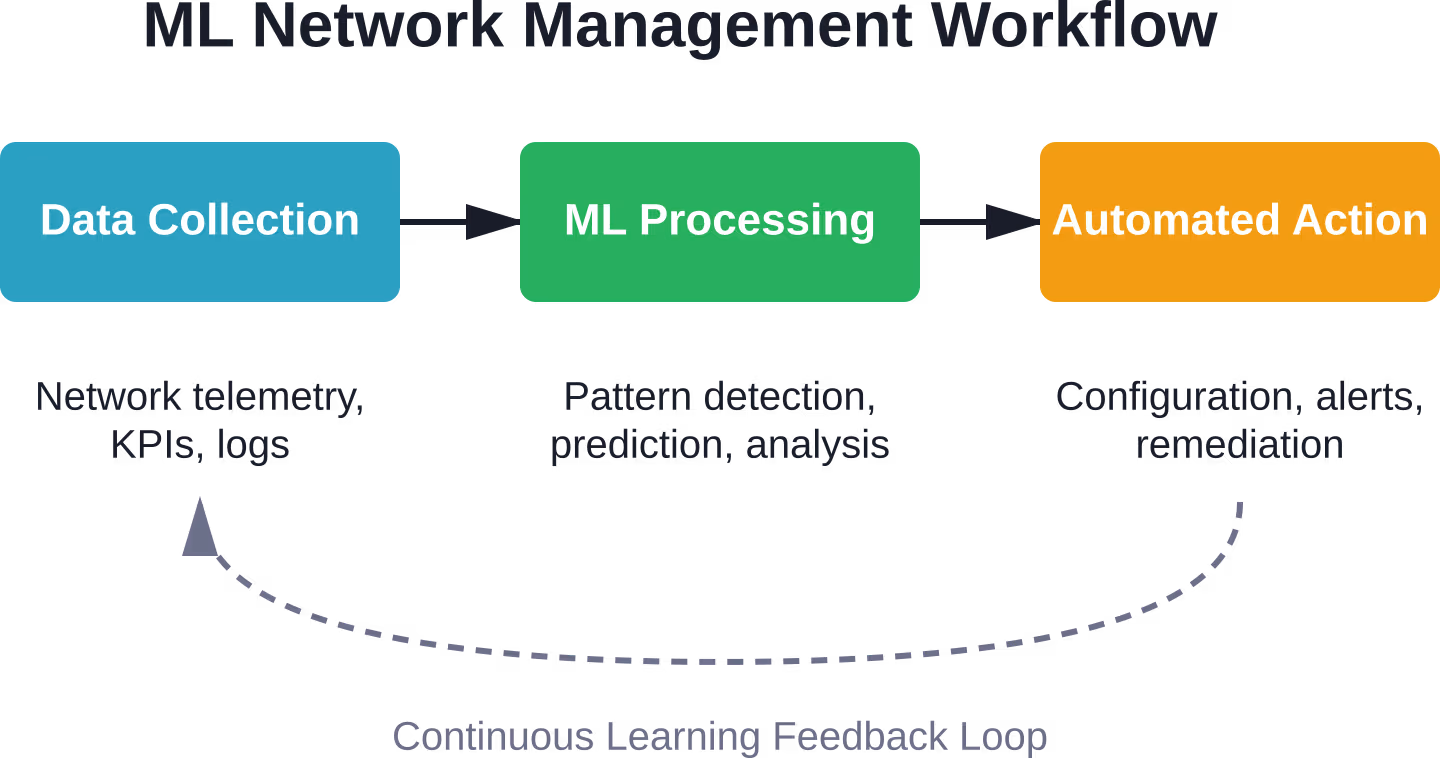
الكشف عن الحالات الشاذة: حالة الاستخدام الرئيسية
تكمن القيمة الفورية للتعلم الآلي في اكتشاف السلوك غير الطبيعي للشبكة. أما التنبيهات التقليدية القائمة على العتبات فتُنتج الكثير من الإنذارات الكاذبة أو تغفل عن التدهور الطفيف.
تُظهر الأبحاث المنشورة في مستودع arXiv أداءً عمليًا على بيانات شبكات الجيل الخامس. كما تُظهر الأبحاث التي أُجريت على بيانات شبكات الجيل الخامس أن خوارزميات التعلم الآلي تُحقق نتائج قوية في كشف الحالات الشاذة.
| الخوارزمية | دقة | F1-Score |
|---|---|---|
| الغابة العشوائية | 93% | 0.90 |
| التشفير التلقائي | 88% | 0.84 |
| غابة العزلة | 87% | 0.79 |
| AE-1SVM | 88% | 0.84 |
حققت خوارزمية الغابة العشوائية دقة 93% مع درجة F1 بلغت 0.90، متفوقةً بذلك على المناهج الأخرى في هذه المجموعة من البيانات. توازن درجة F1 بين الدقة والاستدعاء، وهو أمر بالغ الأهمية عندما تؤدي النتائج الإيجابية الخاطئة إلى إهدار وقت المهندسين، بينما تعني النتائج السلبية الخاطئة عدم اكتشاف الأعطال.
لقد حققت أساليب التعلم الآلي عبر الإنترنت للكشف عن الشذوذ في السلاسل الزمنية درجات F1 قوية في البيئات البحثية، حيث أظهرت متوسطات الأخطاء المطلقة أداءً فعالاً عبر ظروف الشبكة المتنوعة.
هذه ليست تجارب معملية. تقوم المؤسسات بتطبيق هذه الخوارزميات على حركة مرور الإنتاج، مما يساعدها على اكتشاف المشكلات قبل أن يلاحظها العملاء.
تخطيط القدرات التنبؤية
يُعدّ نفاد سعة الشبكة خلال أوقات ذروة الطلب مكلفاً. كما أن الإفراط في التزويد يُهدر رأس المال. ويتطلب الوصول إلى الوضع الأمثل تنبؤات دقيقة.
تعتمد التنبؤات القائمة على التعلم الآلي على تحليل أنماط حركة المرور التاريخية والاتجاهات الموسمية ومعدلات النمو للتنبؤ بالطلب المستقبلي. وقد أظهرت أساليب التنبؤ التي تستخدم التعلم الآلي أداءً قويًا في حالات استخدام تخطيط القدرات.
يأخذ تخطيط السعة باستخدام التعلم الآلي في الاعتبار متغيرات أكثر من مجرد استقراء الاتجاهات البسيط. وتأخذ الخوارزميات في الحسبان تغيرات مزيج التطبيقات، وتحولات سلوك المستخدم، والأحداث الخارجية المرتبطة بذروات حركة البيانات.
بصراحة: التنبؤ ليس مثالياً. لكن نماذج التعلم الآلي تتفوق باستمرار على تخطيط القدرات القائم على جداول البيانات، مما يقلل من تكاليف التزويد الزائد وحوادث نقص القدرات.
إدارة الإنذارات الذكية
تُصدر أنظمة مراقبة الشبكات آلاف الإنذارات يومياً، ومعظمها مجرد ضوضاء، بينما تضيع المشكلات الحرجة وسط هذا الكم الهائل من الإنذارات.
تُحدث تقنيات التعلم الآلي تحولاً في معالجة الإنذارات من خلال:
- تحليل الارتباط الذي يجمع الإنذارات ذات الصلة في حوادث منفردة
- يتم تحديد درجة الأولوية بناءً على تأثيرها على الأعمال وشدتها التاريخية
- تحديد السبب الجذري الذي يحدد الفشل الأساسي
- تم تعلم كبح النتائج الإيجابية الخاطئة من ملاحظات المشغل
بدلاً من ضبط عتبات الإنذار يدويًا لآلاف المقاييس، تتعلم خوارزميات التعلم الآلي نطاقات التشغيل الطبيعية من البيانات. وتتكيف هذه الخوارزميات مع تغير ظروف الشبكة، مما يحافظ على ملاءمتها دون الحاجة إلى تعديلات بشرية مستمرة.
أفادت المنظمات بانخفاضات كبيرة في حجم الإنذارات بعد نشر نظام التصفية القائم على التعلم الآلي - ليس عن طريق تجاهل المشاكل، ولكن عن طريق القضاء على التنبيهات الزائدة وربط الأعراض بالأسباب الجذرية.
تحسين أمن الشبكة
تتزايد المخاطر المتعلقة بأمن الشبكات باستمرار. ووفقًا للتوقعات الواردة في أبحاث الأمن السيبراني، من المتوقع أن تصل تكاليف الجرائم الإلكترونية العالمية إلى 10.5 تريليون دولار أمريكي بحلول عام 2025، مع توقعات بنمو سنوي قدره 151 تريليون دولار.
يعزز التعلم الآلي أنظمة كشف الاختراقات من خلال تحديد أنماط الهجمات في حركة مرور الشبكة. وتجمع أساليب التعلم الآلي التلقائي بين خوارزميات متعددة في مجموعات متراكمة، مما يحسن معدلات الكشف عن التهديدات المعروفة وغير المعروفة على حد سواء.
يكشف تحليل السلوك عن حالات شاذة مثل تسريب البيانات غير المعتاد، أو التنقل الجانبي بين الأنظمة، أو أنماط اتصالات التحكم والسيطرة. وتُحدد نماذج التعلم الآلي السلوك الطبيعي لكل مستخدم وجهاز وتطبيق، مع الإشارة إلى أي انحرافات للتحقيق فيها.
هل يبدو هذا مألوفاً؟ تواجه فرق الأمن نفس مشكلة الإرهاق من كثرة التنبيهات التي تواجهها فرق عمليات الشبكة. يساعد التعلم الآلي في حل هذه المشكلة من خلال تحديد أولويات التهديدات عالية الخطورة وتوفير معلومات حول تطور الهجوم.
الأتمتة والشبكات ذاتية الإصلاح
لا يزال الكشف دون اتخاذ إجراء يتطلب تدخلاً بشرياً. أما التطور التالي فيجمع بين رؤى التعلم الآلي والمعالجة الآلية.
تستخدم الشبكات ذاتية الإصلاح التعلم الآلي من أجل:
- تحديد الروابط المتدهورة وإعادة توجيه حركة المرور تلقائيًا
- اكتشاف انحراف التكوين واستعادة الإعدادات الصحيحة
- أعد توزيع الأحمال على الخوادم عند تدهور الأداء.
- أعد تشغيل الخدمات المعطلة بعد التحقق من صحة الإصلاح.
تتعلم وكلاء التعلم المعزز السياسات المثلى من خلال التجربة والخطأ. يديرون معايير جودة الخدمة وتخصيص موارد الراديو في شبكات الجيل الخامس، ويحسنون باستمرار بناءً على ملاحظات الأداء.
وهنا تبدأ الأمور تصبح مثيرة للاهتمام. تُظهر الأبحاث المتعلقة بأنظمة الوكلاء المتعددين إمكانات واعدة لإدارة الشبكات الذاتية في شبكات الجيل السادس. ينسق الوكلاء فيما بينهم باستخدام خوارزميات متقدمة مثل LSTM المُحسَّن للسرعة من أجل الإدارة الاستباقية والتوجيه الديناميكي.
لكن مهلاً. لا يزال التشغيل الآلي الكامل بعيد المنال بالنسبة لمعظم المؤسسات. فالمتطلبات التنظيمية، ومخاوف المسؤولية، والحاجة إلى الشفافية، تحدّ من مستوى الاستقلالية التي تتمتع بها الشبكات. أما الوضع الأمثل حالياً فهو الإجراءات التي توصي بها تقنيات التعلم الآلي والتي يوافق عليها البشر قبل تنفيذها.
تحديات التنفيذ
على الرغم من الفوائد المؤكدة، فإن تطبيق التعلم الآلي في إدارة الشبكات يواجه عقبات حقيقية:
جودة البيانات وتوافرها
تحتاج خوارزميات التعلم الآلي إلى مجموعات بيانات كبيرة ونظيفة. تفتقر العديد من الشبكات إلى جمع بيانات القياس عن بُعد بشكل شامل. تحتوي البيانات التاريخية على ثغرات أو تناقضات أو تصنيفات غير كافية للتعلم الخاضع للإشراف.
وفقًا لبحث أجرته مؤسسة أبحاث الشبكات الدولية (IRTF) ونُشر في مارس 2025، لا يزال توليد مجموعات بيانات تحقق واقعية يمثل تحديًا كبيرًا. فحتى عند توفر البيانات، قد لا تُمثل جميع ظروف الشبكة اللازمة لتدريب نماذج قوية.
التحقق من صحة النموذج والثقة
يحتاج مشغلو الشبكات إلى الثقة قبل الوثوق بالقرارات التي تعتمد على التعلم الآلي. وتواجه النماذج المبهمة التي لا تستطيع تفسير التوصيات مقاومة، لا سيما بالنسبة للبنية التحتية الحيوية.
يتطلب التحقق من صحة البيانات بيئات اختبار واقعية. لا تستطيع المحاكاة استيعاب جميع تعقيدات العالم الحقيقي. كما أن اختبار الإنتاج يُعرّض النظام لخطر الانقطاعات. وتُسبب الفجوة بين التحقق التجريبي والنشر التشغيلي احتكاكات.
التكامل مع الأدوات الحالية
تعتمد الشبكات بالفعل على منصات الإدارة وأنظمة المراقبة وأدوات التكوين. يجب أن تتكامل حلول التعلم الآلي مع هذا النظام البيئي، لا أن تحل محله بالكامل.
تُساعد الواجهات القياسية وواجهات برمجة التطبيقات (APIs). تعمل كل من IETF وIEEE على توحيد بنى تكامل الذكاء الاصطناعي/التعلم الآلي لإدارة الشبكات. إلا أن التوحيد القياسي يتأخر عن النشر، مما يُجبر المؤسسات على بناء عمليات تكامل مخصصة.
المهارات والخبرات
يتطلب نشر التعلم الآلي الفعال مهارات في علم البيانات تفتقر إليها العديد من فرق الشبكات. إن فهم اختيار الخوارزميات، وهندسة الميزات، وضبط النماذج يتطلب خبرة تتجاوز المعرفة التقليدية بالشبكات.
تواجه المنظمات خياراً: إما توظيف مواهب متخصصة، أو تدريب الفرق الحالية، أو الاعتماد على حلول التعلم الآلي التي يقدمها البائعون مع قدر أقل من التخصيص.
الطريق إلى الأمام
سيتوسع استخدام التعلم الآلي في إدارة الشبكات مع ازدياد تعقيدها. فتقنيات الجيل الخامس (5G) والجيل السادس (6G) المستقبلية، وبنى الحوسبة الطرفية، وانتشار إنترنت الأشياء، كلها عوامل تزيد من حجم البيانات وسرعة اتخاذ القرارات بما يتجاوز القدرة البشرية.
تواصل منظمات وضع المعايير تطوير أطر العمل. ويُسهم عمل فريق هندسة الإنترنت (IETF) بشأن AINetOps (المنشور في مارس 2025) في توجيه تطوير البروتوكولات لدعم الإدارة القائمة على التعلم الآلي. كما ينشر معهد مهندسي الكهرباء والإلكترونيات (IEEE) أبحاثًا مستمرة حول بنى التعلم الآلي وتقنياته وحالات استخدامه في الشبكات الذكية.
تُدمج منصات الموردين بشكل متزايد إمكانيات التعلم الآلي، مما يُسهّل على المؤسسات التي لا تمتلك فرقًا متخصصة في علوم البيانات الوصول إلى هذه الإمكانيات. كما توفر خدمات التعلم الآلي السحابية نماذج مُدرّبة مسبقًا لمهام إدارة الشبكات الشائعة.
تتطور هذه التقنية بسرعة. وتتقلص الفجوات في الأداء بين نتائج الأبحاث والتطبيقات العملية. وتكتسب المؤسسات التي تبني كفاءات في مجال التعلم الآلي ميزة تنافسية في الكفاءة التشغيلية وموثوقية الخدمة.
الأسئلة الشائعة
ما الفرق بين الذكاء الاصطناعي والتعلم الآلي في إدارة الشبكات؟
يُعدّ التعلّم الآلي فرعًا من فروع الذكاء الاصطناعي، ويركّز على الخوارزميات التي تتعلّم من البيانات دون برمجة صريحة. في إدارة الشبكات، يشير التعلّم الآلي تحديدًا إلى تقنيات مثل كشف الشذوذ، والتنبؤ، والتعرّف على الأنماط. أما الذكاء الاصطناعي فهو مصطلح أشمل يتضمن التعلّم الآلي بالإضافة إلى مناهج أخرى مثل أنظمة الخبراء القائمة على القواعد والاستدلال الرمزي.
هل أحتاج إلى فريق متخصص في علوم البيانات لتطبيق التعلم الآلي في إدارة الشبكات؟
ليس بالضرورة. تتضمن العديد من منصات الموردين الآن إمكانيات تعلم آلي جاهزة للمهام الشائعة مثل اكتشاف الحالات الشاذة والتنبؤ بالسعة. تعمل هذه الحلول الجاهزة دون الحاجة إلى خبرة متعمقة في علم البيانات. مع ذلك، تستفيد التطبيقات المخصصة أو حالات الاستخدام المتقدمة بشكل كبير من مهارات علم البيانات لاختيار النموذج وضبطه والتحقق من صحته.
ما مقدار البيانات التاريخية اللازمة لتدريب نماذج التعلم الآلي الشبكية؟
تختلف المتطلبات باختلاف الخوارزمية وحالة الاستخدام. عادةً ما يتطلب اكتشاف الحالات الشاذة أسابيع إلى شهور من البيانات الأساسية لتعلم الأنماط الطبيعية. يستفيد التنبؤ بالسعة من بيانات حركة المرور التاريخية لمدة عام على الأقل لرصد التغيرات الموسمية. يمكن لبعض خوارزميات التعلم عبر الإنترنت البدء ببيانات قليلة والتحسين باستمرار. جودة البيانات أهم من حجمها، فالبيانات النظيفة والمصنفة تُسرّع عملية التدريب.
هل يمكن للتعلم الآلي أن يحل محل مشغلي الشبكات البشرية بشكل كامل؟
لا، فالتعلم الآلي يُؤتمت مهامًا محددة مثل اكتشاف الحالات الشاذة، وربط الإنذارات، وتحسين العمليات الروتينية. أما استكشاف الأخطاء وإصلاحها المعقدة، واتخاذ القرارات المتعلقة بالبنية التحتية، والتعامل مع المواقف الجديدة، فلا تزال تتطلب خبرة بشرية. والهدف الواقعي هو تعزيز القدرات البشرية، حيث يتولى التعلم الآلي التحليل المتكرر بكميات كبيرة، بينما يركز المشغلون على القرارات الاستراتيجية والمشاكل غير المألوفة.
ما هي أنواع الشبكات التي تستفيد أكثر من التعلم الآلي؟
تحقق الشبكات الكبيرة والمعقدة ذات التقلبات العالية في حركة البيانات أكبر المكاسب. ويشمل ذلك شبكات مزودي الخدمات، وبنية الجيل الخامس، وشبكات المؤسسات الكبيرة، ومنصات الحوسبة السحابية. أما الشبكات الأصغر ذات أنماط حركة البيانات المستقرة فقد لا تبرر الاستثمار في التعلم الآلي. وتُعد الشبكات التي تولد بيانات قياس عن بُعد غنية وتواجه تحديات في السعة أو الموثوقية مرشحة مثالية.
كيف تتعامل إدارة الشبكة القائمة على التعلم الآلي مع النتائج الإيجابية الخاطئة؟
تتضمن أنظمة التعلم الآلي الحديثة حلقات تغذية راجعة حيث يُبلغ المشغلون عن الإنذارات الكاذبة. وتُعاد تدريب النماذج بناءً على هذه التغذية الراجعة، مما يُحسّن دقتها باستمرار. وتجمع أساليب التجميع بين خوارزميات متعددة لتقليل أخطاء النماذج الفردية. ويساعد تقييم الثقة المشغلين على إعطاء الأولوية للتنبيهات عالية اليقين على التنبيهات الحدية. وتُظهر الأبحاث أن النماذج المدربة جيدًا تحقق دقة تتراوح بين 87 و93%، مما يقلل بشكل كبير من معدلات الإنذارات الكاذبة مقارنةً بالتنبيهات ذات العتبة الثابتة.
ما هو الجدول الزمني للعائد على الاستثمار في مجال التعلم الآلي لإدارة الشبكات؟
عادةً ما تجني المؤسسات فوائد أولية خلال 3-6 أشهر في حالات الاستخدام البسيطة مثل اكتشاف الحالات الشاذة. أما العائد الكامل على الاستثمار، بما في ذلك تقليل وقت التوقف، وتحسين استخدام الموارد، وخفض التكاليف التشغيلية، فيتحقق خلال 12-18 شهرًا. ويعتمد هذا الجدول الزمني على جاهزية البيانات، ومدى تعقيد التنفيذ، ونضج المؤسسة. وتتحقق المكاسب السريعة من منصات الموردين بشكل أسرع من تطوير حلول التعلم الآلي المخصصة.
خاتمة
يُحوّل التعلّم الآلي إدارة الشبكات من معالجة المشكلات الطارئة إلى تحسينها بشكل استباقي. وتُظهر الخوارزميات التي تحقق دقة 93% في اكتشاف الحالات الشاذة، بالإضافة إلى تحسينات الأداء الأخرى المُثبتة، قيمةً ملموسةً تتجاوز الفوائد النظرية.
تُعدّ تحديات التنفيذ المتعلقة بجودة البيانات، والتحقق من صحة النماذج، ونقص المهارات تحديات حقيقية. إلا أن تطوير المعايير من قِبل معهد مهندسي الكهرباء والإلكترونيات (IEEE) وفريق هندسة الإنترنت (IETF)، ونضج منصات الموردين، وتزايد خبرة الممارسين، كلها عوامل تُسهم في معالجة هذه العقبات بشكل مطرد.
ستزداد الشبكات تعقيداً لا محالة. ويؤكد ذلك انتشار تقنيات الجيل الخامس والحوسبة الطرفية وإنترنت الأشياء. وتتبوأ المؤسسات التي تبني كفاءات في مجال التعلم الآلي مكانةً متقدمةً لتحقيق التميز التشغيلي، في ظل وصول أساليب الإدارة اليدوية إلى حدودها القصوى.
السؤال ليس ما إذا كان ينبغي اعتماد التعلم الآلي في إدارة الشبكات، بل مدى سرعة بدء التنفيذ وأي حالات الاستخدام تحقق أسرع قيمة لبيئات الشبكات المحددة.
 Arabic
  English
  German
  French
  Dutch
Dutch  Spanish