
ملخص سريع: يُعيد التعلّم الآلي تشكيل جهود الاستدامة من خلال تحسين استخدام الطاقة، وتعزيز إدارة الموارد، والتنبؤ بالآثار البيئية. وبينما تُقلّل تطبيقات التعلّم الآلي دورات الحوسبة المهدرة بما يصل إلى 801 تيرا بايت/لتر، وتحقق دقة تصل إلى 99.731 تيرا بايت/لتر في أنظمة المراقبة، فإن هذه التقنية نفسها تُشكّل تحدياتٍ في مجال الاستدامة، حيث تُساهم مراكز البيانات بما يتراوح بين 1 و21 تيرا بايت/لتر من انبعاثات غازات الاحتباس الحراري العالمية.
إن تحقيق التوازن بين الإمكانات التحويلية للتعلم الآلي وتأثيره البيئي يتطلب تنفيذاً استراتيجياً وابتكاراً يركز على الكفاءة.
أصبح التعلّم الآلي سلاحاً ذا حدين في معركة الاستدامة البيئية. فمن جهة، يُحدث ثورة في كيفية رصد المؤسسات للنظم البيئية، وتحسين استخدام الموارد، والتنبؤ بأنماط المناخ. ومن جهة أخرى، تتطلب هذه التقنية موارد حاسوبية هائلة تُساهم في تفاقم المشكلات التي تسعى لحلها.
لكن الأمر ليس بهذه البساطة، فالعلاقة بين التعلم الآلي والاستدامة ليست مباشرة. صحيح أن هذه التقنية قادرة على خفض استهلاك الطاقة في المباني، والتنبؤ بالمحاصيل الزراعية، والكشف عن التلوث البيئي بدقة مذهلة، إلا أن تدريب نموذج ذكاء اصطناعي واحد قد يستهلك من الكهرباء أكثر مما تستهلكه عدة أسر في عام كامل.
يتناول هذا الدليل جانبي هذه المعادلة. ما الذي يحققه التعلم الآلي فعلياً في مجال الاستدامة؟ وأين تكمن أوجه قصوره؟ وكيف يمكن للمؤسسات الاستفادة من مزاياه مع تقليل الأضرار البيئية إلى أدنى حد؟
التكلفة البيئية للتعلم الآلي
قبل الخوض في التطبيقات، يجدر فهم تحدي الاستدامة الذي يطرحه التعلم الآلي نفسه.
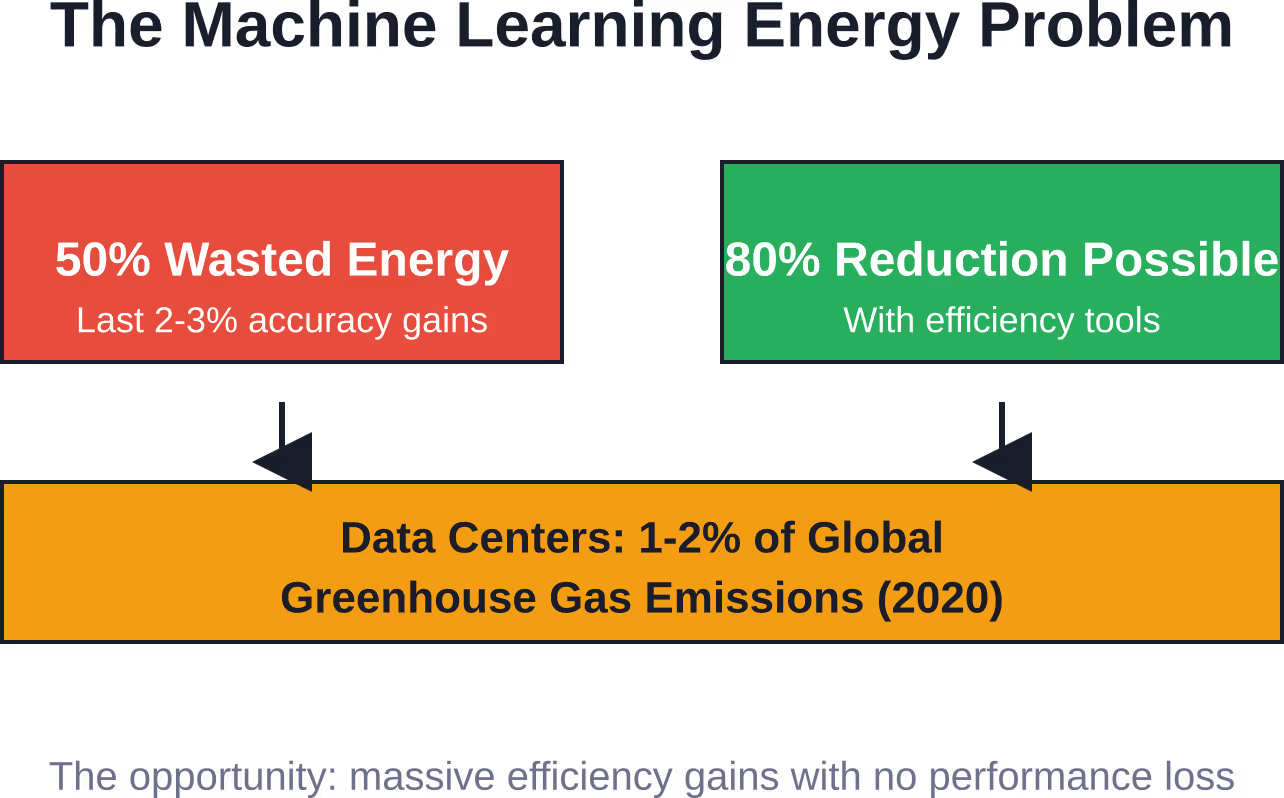
ساهمت مراكز البيانات وتكنولوجيا المعلومات والاتصالات بنسبة تتراوح بين 1 و21 تريليون طن من انبعاثات غازات الاحتباس الحراري في عام 2020، وفقًا لبحث أجراه معهد ماساتشوستس للتكنولوجيا. وتستمر هذه النسبة في الارتفاع مع تسارع تبني الذكاء الاصطناعي. وتعود المشكلة إلى مصادر متعددة: إنتاج الأجهزة، واستهلاك الطاقة أثناء تدريب النماذج، والمتطلبات التشغيلية المستمرة.
متطلبات الطاقة لتدريب الذكاء الاصطناعي
يتطلب تدريب نماذج التعلم الآلي الضخمة قدرة حاسوبية هائلة. ووفقًا لباحثين من معهد ماساتشوستس للتكنولوجيا، يُستهلك حوالي 501 تيرابايت من الكهرباء لتدريب نموذج ذكاء اصطناعي، وذلك لتحقيق آخر 2-3 نقاط مئوية من الدقة.
هذا هدرٌ مذهل. غالباً ما تسعى المنظمات إلى تحقيق تحسينات هامشية في الدقة بتكلفة بيئية باهظة، وهي تحسينات قد لا تؤثر بشكل ملموس على الأداء في العالم الحقيقي.
يستهلك استخدام الأجهزة الطاقة طوال دورة حياتها. وينتج عن إنتاج ونقل والتخلص من معدات الحوسبة انبعاثات كربونية قبل تشغيل أي نموذج. وتمثل البيئة المبنية ما يقارب 301 تريليون طن من إجمالي استهلاك الكهرباء عالميًا، و401 تريليون طن من انبعاثات ثاني أكسيد الكربون المرتبطة بالطاقة.
فجوة الكفاءة
لا تُحسّن معظم المؤسسات عمليات التعلم الآلي لديها من حيث كفاءة استهلاك الطاقة. تعمل النماذج على بنية تحتية غير فعّالة، وتفتقر عمليات التدريب إلى التحسين، وتُهدر دورات الحوسبة.
لكن هنا تكمن المفارقة. تُظهر الأبحاث أن أدوات تحسين الكفاءة قادرة على تقليل دورات الحوسبة المهدرة بنسبة تصل إلى 80% دون أي فقدان في الدقة. وهذا يُمثل فرصة هائلة لم تستغلها معظم المؤسسات.
تطبيقات التعلم الآلي لتعزيز الاستدامة
والآن ننتقل إلى الجانب الإيجابي. يُمكّن التعلّم الآلي مبادرات الاستدامة التي لم تكن ممكنة سابقًا على نطاق واسع.
إدارة الطاقة وتحسين الشبكة
يُحدث التعلم الآلي تحولاً جذرياً في طريقة عمل شبكات الطاقة. إذ تتنبأ الخوارزميات بأنماط الطلب، وتدمج مصادر الطاقة المتجددة، وتوازن الأحمال في الوقت الفعلي.
تُثبت هذه التقنية جدواها بشكل خاص في دمج مصادر الطاقة المتجددة. يتذبذب إنتاج الطاقة الشمسية وطاقة الرياح تبعاً للظروف الجوية. تتنبأ نماذج التعلم الآلي بقدرة الإنتاج وتُعدّل عمليات الشبكة وفقاً لذلك، مما يقلل الاعتماد على مصادر الطاقة الاحتياطية التي تعمل بالوقود الأحفوري.
تستخدم المباني الذكية تقنيات التعلم الآلي لتحسين التدفئة والتبريد والإضاءة بناءً على أنماط الإشغال والظروف الخارجية. تعمل هذه الأنظمة على تقليل استهلاك الطاقة دون المساس بالراحة، حيث تتعلم تفضيلات شاغلي المبنى وتُعدّل أنظمتها تلقائيًا.
الرصد البيئي والحفاظ على البيئة
تتفوق تقنيات التعلم الآلي في معالجة بيانات المستشعرات لرصد البيئة. وتتراوح تطبيقاتها من تتبع جودة الهواء إلى مراقبة الحياة البرية.
لنأخذ مراقبة جودة المياه كمثال. تُظهر الأبحاث المتعلقة بأنظمة إدارة المياه الذكية القائمة على التعلم الآلي في المدن تحسناً ملحوظاً في كفاءة التكلفة، ودقة القياس، وقدرات ترشيد استهلاك المياه، وذلك باستخدام أجهزة استشعار لرصد خصائص المياه مثل درجة الحموضة والعكارة، وإرسال البيانات إلى خدمات سحابية يمكن الوصول إليها عبر الأجهزة المحمولة. وتحقق هذه الأنظمة دقة فائقة: 99.73% لأجهزة استشعار درجة الحموضة، و99.41% لأجهزة استشعار العكارة.
تُظهر التطبيقات الزراعية إمكانات مماثلة. فقد وثّقت الأبحاث نماذج التعرف على الأنماط باستخدام التعلم الآلي التي تكشف عن تلوث الدخان في أغصان العنب، بينما تم تطوير نماذج تتنبأ بمركبات تلوث الدخان في التوت والنبيذ باستخدام تقنيات الاستشعار عن بعد غير الجراحية وأساليب التعلم الآلي.
تحسين استخدام الموارد في التصنيع
يُعدّ قطاع التصنيع من أكثر القطاعات استهلاكاً للموارد. تعمل تقنيات التعلّم الآلي على تحسين عمليات الإنتاج، وتقليل الهدر، وإطالة عمر المعدات.
تستخدم الصيانة التنبؤية بيانات المستشعرات للتنبؤ بأعطال المعدات قبل حدوثها. وبدلاً من اتباع جداول صيانة ثابتة - والتي إما تهدر الموارد على خدمات غير ضرورية أو تغفل الأعطال التي تحدث بين الفحوصات المجدولة - تحدد نماذج التعلم الآلي نقاط التدخل المثلى.
تعمل خوارزميات تحسين الإنتاج على تقليل هدر المواد من خلال تعديل المعايير في الوقت الفعلي. وتكتشف أنظمة مراقبة الجودة العيوب في وقت مبكر من عمليات التصنيع، مما يمنع استثمار الموارد في منتجات سيتم التخلص منها في نهاية المطاف.
المدن الذكية والاستدامة الحضرية
تُشكّل المناطق الحضرية بيئةً خصبةً للتحديات البيئية والفرص المتاحة لتطبيقات التعلّم الآلي. وتُوظّف مبادرات المدن الذكية التعلّم الآلي في مجالات النقل، وإدارة النفايات، وأنظمة المياه، وتخطيط البنية التحتية.
تستخدم شبكات النقل تقنيات التعلم الآلي لتحسين انسيابية حركة المرور، مما يقلل الازدحام والانبعاثات المصاحبة له. وتُعدّل أنظمة النقل العام مساراتها وجداولها الزمنية بناءً على توقعات الطلب. كما تُوجّه أنظمة إدارة مواقف السيارات السائقين إلى الأماكن المتاحة، مما يقلل الوقت المُستغرق في البحث عن موقف، وهو مصدر رئيسي لانبعاثات المدن.
| مجال التطبيق | تقنية التعلم الآلي | الأثر المقاس |
|---|---|---|
| مراقبة جودة المياه | تحليل بيانات المستشعرات | دقة قياس الأس الهيدروجيني 99.73%، ودقة قياس العكارة 99.41% |
| إدارة موارد المياه | أنظمة المدن الذكية | تحسين كفاءة التكلفة والدقة والترشيد |
| المراقبة الزراعية | التعرف على الأنماط | الكشف عن تلوث الدخان في مظلات كروم العنب |
| توقعات جودة النبيذ | الاستشعار عن بعد والتعلم الآلي | التنبؤ غير الجراحي بمركبات تلوث الدخان |
| كفاءة الحوسبة | أدوات التحسين | 80% تقليل الدورات المهدرة، دون فقدان الدقة |
| تحسين الشبكة الحضرية | تعزيز التعلم | خفض التكاليف التشغيلية 15% |
البيئة المبنية وخفض الكربون
تمثل المباني تحدياً بالغ الأهمية في مجال الاستدامة. إذ يستهلك قطاع البناء ما يقارب 301 تريليون طن من إجمالي استهلاك الكهرباء في العالم، وينتج عنه 401 تريليون طن من انبعاثات ثاني أكسيد الكربون المرتبطة بالطاقة.
يمثل الكربون المتضمن - أي الانبعاثات الناتجة عن بناء المباني وصيانتها وهدمها - 111 تريليون طن من إجمالي انبعاثات غازات الاحتباس الحراري العالمية. وهذا يختلف عن الانبعاثات التشغيلية خلال العمر الافتراضي للمبنى.
التعلم الآلي لتحسين كفاءة المباني
تركز تطبيقات التعلم الآلي في البيئة العمرانية على كلٍ من الكفاءة التشغيلية وتحسين استخدام المواد. تتنبأ النماذج التشغيلية باحتياجات التدفئة والتبريد بناءً على توقعات الطقس وأنماط الإشغال والبيانات التاريخية. تعمل هذه الأنظمة على تبريد أو تسخين المساحات مسبقًا خلال ساعات انخفاض الطلب على الكهرباء عندما تكون أرخص وأنظف.
تستخدم تقنية تحسين المواد التعلم الآلي لتحديد بدائل منخفضة الكربون في مجال البناء. تقوم الخوارزميات بتحليل مواصفات المباني واقتراح بدائل للمواد تقلل من انبعاثات الكربون مع الحفاظ على المتطلبات الهيكلية.
يدعم برنامج أبحاث الابتكار للشركات الصغيرة التابع لوكالة حماية البيئة تطوير التقنيات لتحسين إعادة التدوير واستعادة المواد، وهو أمر بالغ الأهمية لتقليل الطلب على الموارد في البيئة العمرانية. وتقلل استعادة المواد من الحاجة إلى استخراج ومعالجة الموارد الطبيعية، التي تُسهم بنحو نصف إجمالي الانبعاثات العالمية الناتجة عن تصنيع المواد والمنتجات.
تطبيقات الاقتصاد الدائري
يدعم التعلم الآلي مبادرات الاقتصاد الدائري من خلال تحسين تدفق المواد وتطوير عمليات إعادة التدوير. وتعمل أنظمة الرؤية الحاسوبية على فرز المواد القابلة لإعادة التدوير بدقة أعلى من العمليات اليدوية. كما تساعد توقعات الطلب على مطابقة المواد المستردة مع المصنّعين الذين يمكنهم استخدامها.
انظر، الأمر لا يتعلق فقط بصناديق إعادة التدوير. بل يتعلق بإعادة التفكير بشكل جذري في دورات حياة المواد - باستخدام التعلم الآلي لتتبع المواد عبر سلاسل التوريد، وتحديد فرص الاسترداد، وربط تدفقات النفايات باحتياجات الإنتاج.
نمذجة المناخ والتنبؤ به
يُنتج علم المناخ كميات هائلة من البيانات من الأقمار الصناعية ومحطات الأرصاد الجوية والعوامات البحرية وأجهزة الاستشعار الجوية. ويقوم التعلم الآلي بمعالجة هذه البيانات على نطاقات يصعب على الأساليب الإحصائية التقليدية معالجتها.
التنبؤ بالطقس والمناخ
تعمل نماذج التعلم الآلي على تحسين دقة التنبؤات الجوية من خلال تحديد الأنماط المعقدة في البيانات الجوية. وتتيح التنبؤات الأفضل إدارة أكثر كفاءة لشبكات الطاقة، والتخطيط الزراعي، والتأهب للكوارث.
تستخدم نماذج المناخ تقنيات التعلم الآلي لتقليص نطاق توقعات المناخ العالمية إلى المستويات الإقليمية والمحلية. يحتاج صناع السياسات إلى تنبؤات محلية لتخطيط استثمارات البنية التحتية، لكن نماذج المناخ التقليدية تعمل بدقة منخفضة. تسد خوارزميات التعلم الآلي هذه الفجوة من خلال تعلم العلاقات بين أنماط المناخ واسعة النطاق والظروف المحلية.
التنبؤ بالأحداث المتطرفة
يُظهر التعلّم الآلي إمكانات واعدة في التنبؤ بالظواهر الجوية المتطرفة، كالفيضانات والجفاف وموجات الحر والعواصف. تُسبب هذه الظواهر أضرارًا جسيمة، وحتى التحسينات الطفيفة في دقة التنبؤ تُترجم إلى فوائد كبيرة.
تتيح أنظمة الإنذار المبكر المدعومة بالتعلم الآلي للمجتمعات مزيدًا من الوقت للاستعداد والإخلاء. ويمكن للأنظمة الزراعية تعديل جداول الزراعة أو الري بناءً على توقعات الجفاف. كما يمكن لشركات الكهرباء نشر فرق الصيانة قبل العواصف المتوقعة.

استخدام التعلم الآلي في عمليات الاستدامة مع تفوق الذكاء الاصطناعي
غالباً ما تعتمد مشاريع الاستدامة على الرصد البيئي، وإعداد التقارير التشغيلية، وأنظمة التنبؤ، وتحليل الموارد. متفوقة الذكاء الاصطناعي تساعد المؤسسات على هيكلة سير عمل التعلم الآلي بما يدعم مبادرات الاستدامة القائمة على البيانات والعمليات التحليلية. وتشمل خدماتها الاستشارات في مجال الذكاء الاصطناعي، وتطوير التعلم الآلي، وتحليلات البيانات، وهندسة برمجيات الذكاء الاصطناعي، وتقييم النماذج.
بإمكان شركة AI Superior دعم المبادرات التي تركز على الاستدامة من خلال:
- تنظيم البيانات البيئية والتشغيلية
- بناء نماذج التنبؤ والتحسين
- تطوير نماذج أولية للذكاء الاصطناعي لسير العمل التحليلي
- دعم التكامل مع أنظمة إعداد التقارير الداخلية
تواصل مع شركة AI Superior لمراجعة سير العمل الخاص بالاستدامة وخيارات التنفيذ.
التحديات والقيود
بصراحة: التعلم الآلي ليس حلاً سحرياً للاستدامة. فالتكنولوجيا تواجه قيوداً وتحديات كبيرة.
متطلبات البيانات وجودتها
تتطلب نماذج التعلم الآلي كميات كبيرة من البيانات عالية الجودة. وتفتقر العديد من تطبيقات الاستدامة إلى بيانات تاريخية كافية أو تعاني من مشاكل في جودة البيانات.
تتعطل أجهزة الاستشعار البيئية، أو تُعاير بشكل خاطئ، أو تُنتج قراءات غير دقيقة. تحتوي السجلات التاريخية على ثغرات. قد لا تعكس بيانات التدريب الظروف الحالية مع تغير أنماط المناخ.
يثير جمع البيانات بحد ذاته تساؤلات حول الاستدامة. فنشر شبكات الاستشعار وصيانتها يتطلبان موارد وطاقة. ويتعين على المؤسسات الموازنة بين فوائد المراقبة والتكلفة البيئية للبنية التحتية للمراقبة.
تفسير النموذج
تعمل العديد من نماذج التعلم الآلي القوية كـ"صناديق سوداء"، حيث تبقى منطقها الداخلي غامضاً حتى بالنسبة للمطورين. وهذا يخلق مشاكل لتطبيقات الاستدامة، حيث يحتاج أصحاب المصلحة إلى فهم توصيات النموذج والثقة بها.
قد ترفض الجهات التنظيمية نماذج الصندوق الأسود فيما يتعلق بالامتثال البيئي. وتستحق المجتمعات المتأثرة بالقرارات المبنية على التعلم الآلي تفسيرات شفافة. ويحتاج العلماء إلى نماذج قابلة للتفسير لتعزيز الفهم بدلاً من مجرد التنبؤ.
معوقات التنفيذ
لا تضمن القدرة التقنية التبني. تواجه المؤسسات عوائق في تطبيق التعلم الآلي من أجل الاستدامة: الخبرة التقنية المحدودة، والتكاليف الأولية المرتفعة، وتحديات التكامل مع الأنظمة القديمة، ومقاومة التغيير داخل المؤسسة.
غالباً ما تفتقر المنظمات الصغيرة - كالبلديات والتعاونيات الزراعية والمصانع الصغيرة - إلى الموارد اللازمة لتطوير حلول تعلم آلي مخصصة. إنها تحتاج إلى أدوات سهلة الوصول وبأسعار معقولة بدلاً من نماذج بحثية متطورة.
تأثير الارتداد
وهنا تكمن الصعوبة. ففي بعض الأحيان تؤدي تحسينات الكفاءة إلى زيادة الاستهلاك الإجمالي، وهي ظاهرة يسميها الاقتصاديون تأثير الارتداد.
عندما تُحسّن تقنيات التعلّم الآلي كفاءة عملية ما وتُخفّض تكلفتها، قد تُجري المؤسسات المزيد منها. تصبح مراكز البيانات أكثر كفاءة في استهلاك الطاقة لكل عملية حسابية، لكن المؤسسات تُجري المزيد من العمليات الحسابية. تستخدم المباني الطاقة بكفاءة أكبر، لكن انخفاض تكلفة التشغيل يُشجع على بناء مبانٍ أكبر أو زيادة نسبة الإشغال.
يُجسّد التعلّم الآلي نفسه هذه المفارقة. فمع ازدياد كفاءة النماذج، تتلاشى عوائق النشر، وتنتشر تطبيقات التعلّم الآلي - مما قد يزيد من إجمالي الانبعاثات المتعلقة بالذكاء الاصطناعي حتى مع تحسّن كفاءة كل نموذج على حدة.
استراتيجيات التعلم الآلي المستدام
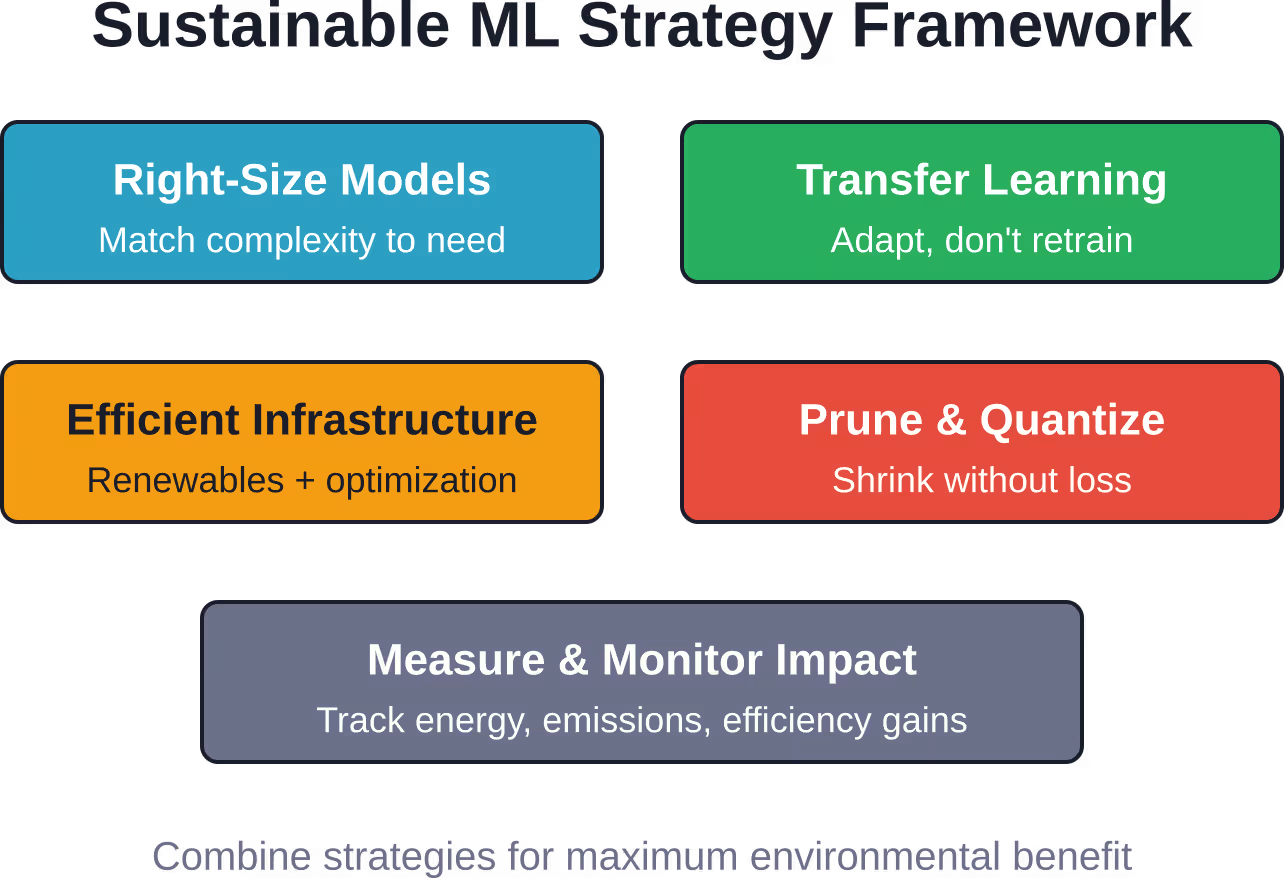
بإمكان المؤسسات تعظيم فوائد التعلم الآلي في مجال الاستدامة مع تقليل أثره البيئي إلى أدنى حد. وتُظهر العديد من الاستراتيجيات نتائج واعدة.
نماذج ذات حجم مناسب
لا تتطلب كل مشكلة النموذج الأكبر والأقوى. ينبغي للمؤسسات أن تُوازن بين تعقيد النموذج ومتطلبات المهمة بدلاً من اللجوء إلى بنى ضخمة بشكل افتراضي.
تتدرب النماذج الأصغر حجماً بشكل أسرع، وتستهلك طاقة أقل، وتعمل بكفاءة أعلى في بيئة الإنتاج. وهي غالباً ما تكون كافية للمهام المحددة جيداً ذات النطاق المحدود. أما السعي وراء تحسينات طفيفة في الدقة باستخدام نماذج ضخمة فنادراً ما يكون مجدياً عندما لا تُترجم هذه التحسينات إلى نتائج أفضل في الواقع العملي.
هل تتذكر أن 50% من طاقة التدريب تذهب إلى آخر 2-3 نقاط مئوية من الدقة؟ ينبغي على المؤسسات أن تتساءل عما إذا كانت هذه النقاط مهمة لتطبيقها المحدد.
التعلم بالنقل والنماذج المدربة مسبقًا
تعتمد تقنية التعلم بالنقل على تكييف النماذج المدربة مسبقاً مع مهام جديدة بدلاً من تدريبها من الصفر. ويقلل هذا النهج بشكل كبير من متطلبات الحوسبة.
تتحمل إحدى المنظمات التكلفة البيئية لتدريب نموذج أساسي. بينما تقوم مئات أو آلاف المنظمات الأخرى بتكييف هذا النموذج مع احتياجاتها الخاصة بأقل قدر من التدريب الإضافي. وينخفض استهلاك الطاقة لكل تطبيق بشكل كبير.
البنية التحتية والعمليات الفعالة
يُعدّ مكان وكيفية تشغيل النماذج أمراً بالغ الأهمية. فمراكز البيانات التي تعمل بالطاقة المتجددة تُقلّل من البصمة الكربونية لعمليات التعلّم الآلي. كما أن الأجهزة عالية الكفاءة - المعالجات المُحسّنة لأحمال عمل التعلّم الآلي - تُوفّر قدرة حسابية أكبر لكل وحدة طاقة.
تُعدّ الممارسات التشغيلية مهمة أيضاً. فجدولة دورات التدريب في أوقات ذروة إنتاج الطاقة المتجددة يقلل الاعتماد على الوقود الأحفوري. كما أن إيقاف تشغيل الموارد غير المستخدمة أو تقليص استخدامها يمنع الهدر.
هل تحقق المؤسسات هذا التخفيض في دورات الحوسبة المهدرة بنسبة 80% من خلال إدارة أفضل للموارد، وليس من خلال اختراقات تقنية؟ فهي تقوم بتحليل أحمال العمل، والقضاء على أوجه القصور، وتحسين الجدولة.
تقليم النموذج وتحديد كميته
تُزيل عملية التقليم الروابط غير الضرورية في الشبكات العصبية. أما التكميم فيُقلل من الدقة العددية لمعلمات النموذج. وتُقلل كلتا التقنيتين من حجم النموذج وتُخفّضان المتطلبات الحسابية مع تأثير ضئيل على الدقة.
تعمل النماذج المُحسّنة والمُكمّمة بشكل أسرع وتستهلك طاقة أقل في بيئة الإنتاج. بالنسبة للتطبيقات المنشورة على الأجهزة الطرفية أو الأنظمة المدمجة، تُعدّ هذه التحسينات ضرورية، ولكنها تُفيد عمليات النشر السحابية أيضًا.
التوجهات المستقبلية والبحوث
لا يزال التعلم الآلي من أجل الاستدامة مجالاً بحثياً نشطاً مع وجود أسئلة مفتوحة هامة واتجاهات ناشئة.
التعلم الموحد للبيانات البيئية
يُدرّب التعلم الموحد النماذج عبر مجموعات بيانات موزعة دون الحاجة إلى مركزية البيانات. يُعالج هذا النهج مخاوف الخصوصية ويُقلل من متطلبات نقل البيانات، وكلاهما مهم للتطبيقات البيئية.
يمكن للعديد من المنظمات أو الجهات القضائية التعاون في نماذج التعلم الآلي مع الحفاظ على بياناتها محلية. يُمكّن التعلم الموحد من نمذجة المناخ الإقليمي دون نقل بيانات البنية التحتية الحساسة. كما يمكن للتعاونيات الزراعية تبادل المعلومات دون الكشف عن بيانات المزارع الفردية.
الذكاء الاصطناعي لاكتشاف المواد
يتطلب اكتشاف مواد جديدة تقليدياً سنوات من التجارب المخبرية. أما التعلم الآلي فيسرّع هذه العملية من خلال التنبؤ بخصائص المواد انطلاقاً من بنيتها الجزيئية.
تشمل تطبيقات الاستدامة بطاريات أفضل لتخزين الطاقة، وألواح شمسية أكثر كفاءة، ومواد لالتقاط الكربون، وبدائل منخفضة الكربون لمواد البناء كثيفة الاستهلاك للموارد. التأثير المحتمل كبير، لكن هذا المجال لا يزال في مراحله الأولى.
الأساليب الهجينة
يُعزز الجمع بين التعلم الآلي والنماذج الفيزيائية التقليدية نقاط قوة كلا النهجين. فالنماذج الفيزيائية تُجسد الفهم العلمي الراسخ، بينما تُحدد نماذج التعلم الآلي أنماطًا في البيانات تغفلها النماذج الفيزيائية.
تُبشّر النماذج الهجينة بآفاق واعدة في علوم المناخ، حيث تحكم القوانين الفيزيائية الأساسية السلوك واسع النطاق، بينما تحدث تفاعلات معقدة على نطاقات أصغر. وتكتسب هذه النماذج زخماً متزايداً في نمذجة أنظمة الطاقة والتنبؤات البيئية.
الحوسبة الطرفية وتكامل إنترنت الأشياء
يؤدي تشغيل نماذج التعلم الآلي على الأجهزة الطرفية - أجهزة الاستشعار والكاميرات ووحدات التحكم المدمجة - بدلاً من خوادم السحابة إلى تقليل متطلبات نقل البيانات ويتيح الاستجابات في الوقت الفعلي.
تُثبت تقنيات التعلم الآلي على الحافة جدواها في رصد البيئة في المناطق النائية ذات الاتصال المحدود بالإنترنت. تعالج كاميرات مراقبة الحياة البرية الصور محليًا لرصد الأنواع المستهدفة. وتتخذ أجهزة الاستشعار الزراعية قرارات الري دون الحاجة إلى الاتصال السحابي. تعمل هذه الأنظمة بشكل مستقل مع استهلاك ضئيل للطاقة.
اتخاذ الخيارات الاستراتيجية
تواجه المنظمات التي تسعى إلى استخدام التعلم الآلي لتحقيق الاستدامة قرارات استراتيجية تؤثر على كل من الفعالية والأثر البيئي.
البناء مقابل التبني
يوفر تطوير التعلم الآلي المخصص أقصى قدر من المرونة، ولكنه يتطلب موارد وخبرات كبيرة. أما اعتماد المنصات الحالية أو النماذج الجاهزة فيقلل من العوائق، ولكنه قد يؤثر على الدقة.
ينبغي لمعظم المؤسسات البدء بالاعتماد بدلاً من البناء من الصفر. فقد تطورت الحلول الجاهزة لمهام الاستدامة الشائعة - مثل مراقبة الطاقة، والتنبؤ بالطلب، وتحليل بيانات المستشعرات - بشكل ملحوظ. وهي توفر قيمة أسرع وبتكلفة بيئية أقل من التطوير المخصص.
يُعد التطوير المخصص أمراً منطقياً عندما تتطلب التطبيقات معرفة متخصصة بالمجال، أو تتعامل مع هياكل بيانات فريدة، أو تعمل على نطاقات حيث يبرر تحسين الكفاءة الاستثمار.
قياس الأثر
ينبغي للمؤسسات قياس كل من فوائد تطبيقات التعلم الآلي في مجال الاستدامة والتكلفة البيئية للتكنولوجيا نفسها. يوفر هذا التقييم المزدوج صورة شاملة.
يعتمد قياس الفوائد على التطبيق: الطاقة الموفرة، والانبعاثات المخفضة، والموارد المحفوظة، والنفايات المُحوّلة. ويتطلب قياس الأثر البيئي للتعلم الآلي تتبع طاقة التدريب، وطاقة التشغيل، وتأثيرات دورة حياة الأجهزة.
يحدد الأثر الصافي ما إذا كان تطبيق التعلم الآلي يعزز الاستدامة بشكل حقيقي أم أنه مجرد نقل للعبء البيئي.
إشراك أصحاب المصلحة
تؤثر مبادرات الاستدامة على مختلف الجهات المعنية - الموظفين والعملاء والمجتمعات والجهات التنظيمية. ويتطلب النشر الفعال للتعلم الآلي إشراك هذه المجموعات مبكراً ومعالجة مخاوفها.
تُعزز الشفافية بشأن كيفية عمل النماذج، والبيانات التي تستخدمها، وكيفية اتخاذ القرارات، الثقة. كما تمنع آليات التغذية الراجعة والطعن أنظمة التعلم الآلي من أن تصبح صناديق سوداء غير خاضعة للمساءلة.
تستحق المجتمعات التي تستضيف البنية التحتية البيئية المشاركة في كيفية إدارة أنظمة التعلم الآلي لهذه البنية التحتية. ويحتاج العاملون المتأثرون بتغييرات العمليات التي يقودها التعلم الآلي إلى التدريب والدعم اللازمين للانتقال.
اعتبارات السياسة والحوكمة
إن التقاطع بين التعلم الآلي والاستدامة يثير تساؤلات سياسية بدأت الحكومات والمنظمات في معالجتها.
محاسبة الكربون للذكاء الاصطناعي
هل ينبغي على المؤسسات الإبلاغ عن البصمة الكربونية لعمليات التعلم الآلي الخاصة بها؟ تتجه بعض السلطات القضائية نحو اشتراط احتساب انبعاثات الكربون لمراكز البيانات والبنية التحتية للحوسبة.
من شأن المقاييس الموحدة أن تُمكّن من إجراء المقارنات وتحسين الكفاءة. لكن لا تزال هناك تحديات في القياس، مثل تخصيص تكاليف البنية التحتية المشتركة، ومراعاة تأثيرات دورة حياة الأجهزة، والتعامل مع مشتريات الطاقة المتجددة.
الحوافز والمعايير
يمكن للحوافز الحكومية أن تُسرّع من تبني تقنيات التعلم الآلي لتحقيق الاستدامة، مع تشجيع التنفيذ الفعال. كما أن الإعفاءات الضريبية والمنح أو التفضيل في شراء حلول الذكاء الاصطناعي منخفضة الكربون تخلق طلباً في السوق.
تضمن المعايير التقنية قابلية التشغيل البيني وتحدد الحد الأدنى من متطلبات الكفاءة. وتعمل مجموعات الصناعة على تطوير معايير لكفاءة نماذج التعلم الآلي، ومبادئ توجيهية لتطوير الذكاء الاصطناعي المستدام، وأطر لتقييم الأثر.
التعاون الدولي
إن تغير المناخ والتدهور البيئي يتجاوزان الحدود. وتستفيد تطبيقات التعلم الآلي في مجال الاستدامة من تبادل البيانات الدولي وتطوير النماذج التعاوني.
تُدمج منظمات مثل الهيئة الحكومية الدولية المعنية بتغير المناخ بشكل متزايد الذكاء الاصطناعي والتعلم الآلي في عمليات تقييم المناخ. وتعمل التعاونات البحثية الدولية على تجميع الموارد والخبرات لمواجهة التحديات المشتركة.
الأسئلة الشائعة
ما مقدار الطاقة التي يستهلكها تدريب نموذج التعلم الآلي فعلياً؟
يتفاوت استهلاك الطاقة بشكل كبير بناءً على حجم النموذج وبنيته ومدة تدريبه. قد تستهلك النماذج الصغيرة بضعة كيلوواط/ساعة، بينما قد تتطلب نماذج اللغة الكبيرة ميغاواط/ساعة، أي ما يعادل الاستهلاك السنوي لعدة أسر. تشير الأبحاث إلى أن حوالي 50% من طاقة التدريب تُستخدم لتحقيق آخر 2-3 نقاط مئوية من الدقة، مما يُشير إلى فرص كبيرة للتحسين.
هل يمكن للتعلم الآلي أن يقلل انبعاثات الكربون بما يكفي لتعويض أثره البيئي؟
يعتمد الأمر على التطبيق والتنفيذ. يمكن لأنظمة التعلم الآلي التي تُحسّن شبكات الطاقة أو المباني أو عمليات التصنيع أن تُحقق خفضًا في انبعاثات الكربون يتجاوز بكثير البصمة الكربونية لهذه التقنية. مع ذلك، قد لا تُحقق التطبيقات غير الفعّالة أو ذات الفوائد الهامشية أثرًا إيجابيًا صافيًا. لذا، ينبغي على المؤسسات قياس كلا جانبي المعادلة: فوائد الاستدامة والتكلفة البيئية للتعلم الآلي.
ما هي الصناعات التي تستفيد أكثر من التعلم الآلي لتحقيق الاستدامة؟
تُعدّ قطاعات الطاقة والتصنيع والزراعة والنقل والبنية التحتية الحضرية من أكثر القطاعات تطبيقًا لتقنيات التعلّم الآلي. ويستهلك قطاع البناء ما يقارب 301 تريليون طن من إجمالي استهلاك الكهرباء عالميًا، ويُنتج 401 تريليون طن من انبعاثات ثاني أكسيد الكربون المرتبطة بالطاقة. ويمكن لأي قطاع كثيف الموارد ويُنتج كميات كبيرة من البيانات أن يستفيد من تحسين الأداء باستخدام التعلّم الآلي.
هل تحتاج المنظمات إلى خبرة متخصصة لتطبيق التعلم الآلي المستدام؟
يعتمد الأمر على النهج المتبع. يتطلب اعتماد منصات التعلم الآلي الجاهزة لمهام الاستدامة الشائعة خبرةً أقل تخصصًا من تطوير نماذج مخصصة. تبدأ العديد من المؤسسات بحلول جاهزة لمراقبة الطاقة، أو التنبؤ بالطلب، أو تحليل بيانات المستشعرات. أما التطبيقات المخصصة فتتطلب خبرة في علم البيانات بالإضافة إلى معرفة متخصصة في مجال الاستدامة والصناعة ذات الصلة.
ما مدى دقة نماذج التعلم الآلي في رصد البيئة مقارنة بالأساليب التقليدية؟
غالبًا ما تتفوق نماذج التعلم الآلي على الطرق التقليدية في مهام التعرف على الأنماط والتنبؤ. تشير الأبحاث إلى دقة تصل إلى 99.73% في رصد درجة الحموضة، و99.41% في رصد العكارة. مع ذلك، تعتمد الدقة على جودة البيانات، ولا يغني التعلم الآلي عن الحاجة إلى أجهزة استشعار عالية الجودة ومعايرة دقيقة.
ما الفرق بين الذكاء الاصطناعي والتعلم الآلي في تطبيقات الاستدامة؟
يُعدّ التعلّم الآلي فرعًا من فروع الذكاء الاصطناعي، ويركّز على الأنظمة التي تتعلّم من البيانات دون برمجة صريحة. في سياقات الاستدامة، تستخدم معظم التطبيقات تقنيات التعلّم الآلي تحديدًا - كالشبكات العصبية، وأشجار القرار، وأساليب التجميع - بدلًا من مناهج الذكاء الاصطناعي الأوسع. غالبًا ما يُستخدم المصطلحان بشكل متبادل في الممارسة العملية، مع أن التعلّم الآلي يصف بدقة أكبر التقنية الكامنة وراء معظم تطبيقات الاستدامة الحالية.
هل ستؤدي التحسينات في كفاءة التعلم الآلي إلى تقليل التأثير البيئي فعلياً أم أنها ستتيح فقط استخداماً أكبر للذكاء الاصطناعي؟
هذا هو سؤال تأثير الارتداد، والإجابة عليه ليست واضحة تمامًا. فمع ازدياد كفاءة التعلم الآلي وسهولة الوصول إليه، يزداد انتشاره، مما قد يُقلل من مكاسب الكفاءة لكل نموذج على حدة، وذلك بزيادة إجمالي الاستخدام. ويعتمد صافي الأثر البيئي على ما إذا كانت التطبيقات الجديدة تُحقق فوائد حقيقية للاستدامة، أم أنها ببساطة تُزيد من الطلب على الحوسبة. وتساعد أطر الحوكمة والقياس الاستراتيجية على ضمان ترجمة مكاسب الكفاءة إلى تحسينات بيئية فعلية، بدلاً من مجرد تمكين النمو.
خاتمة
يحتل التعلم الآلي مكانةً محوريةً في جهود الاستدامة. تُمكّن هذه التقنية تطبيقاتٍ كانت مستحيلةً في السابق، بدءًا من المراقبة البيئية الآنية بدقةٍ تصل إلى 99.73%، وصولًا إلى أنظمة إدارة المياه في المدن الذكية التي تُحسّن كفاءة التكلفة ودقة القياس وترشيد استهلاك المياه. كما يُحسّن التعلم الآلي شبكات الطاقة، ويُعزز التنبؤات المناخية، ويُقلل من النفايات الصناعية، ويجعل المدن الذكية أكثر كفاءة.
لكن تكمن المشكلة هنا: فالتعلم الآلي نفسه يتطلب موارد ضخمة. تساهم مراكز البيانات وتكنولوجيا المعلومات بما يتراوح بين 1 و21 تريليون طن من انبعاثات غازات الاحتباس الحراري العالمية، مع تزايد حصة الذكاء الاصطناعي. ويُستهلك حوالي 501 تريليون طن من طاقة التدريب لتحسينات طفيفة في الدقة. أما البيئة المبنية التي تضم البنية التحتية للحوسبة فتستهلك 301 تريليون طن من الكهرباء العالمية.
يتطلب المسار المستقبلي تنفيذاً استراتيجياً. ينبغي للمؤسسات تحسين نماذجها، والاستفادة من التعلم النّقلي، وتطوير بنيتها التحتية، وقياس كل من الفوائد والتكاليف. تُظهر الأبحاث أن أدوات الكفاءة قادرة على تقليل دورات الحوسبة المهدرة بما يصل إلى 80% دون أي فقدان في الدقة، وهي فرصة لم تستغلها معظم المؤسسات بشكل كامل.
إن اتخاذ القرارات السليمة أهم من استخدام أحدث النماذج. فاعتماد الحلول القائمة للمهام الشائعة أفضل من بناء أنظمة مخصصة تُهدر الموارد. كما أن قياس الأثر الصافي يمنع المؤسسات من نشر تطبيقات التعلم الآلي التي تُغيّر العبء البيئي بدلاً من تقليله.
مع تقدم قدرات التعلم الآلي وانخفاض حواجز النشر، يواجه مجتمع الاستدامة خيارًا: إما ترك البصمة البيئية للتكنولوجيا تنمو دون رادع مع الأمل في أن تقدم التطبيقات فوائد معاكسة، أو إدارة كلا جانبي المعادلة بشكل استباقي من خلال معايير الكفاءة والنشر الاستراتيجي وتقييم الأثر الصارم.
تشير البيانات إلى أن التعلم الآلي قادر على تحقيق أهداف الاستدامة بشكل فعلي، ولكن فقط من خلال خيارات تصميم مدروسة تُعطي الأولوية للكفاءة إلى جانب الفعالية. فالمنظمات التي تقيس الأثر، وتُحسّن عملياتها، وتُوظّف التعلم الآلي استراتيجياً، ستُحقق تقدماً بيئياً ملموساً. أما تلك التي تسعى إلى الدقة بأي ثمن حسابي، أو تُوظّف التعلم الآلي دون قياس الأثر الصافي، فقد تجد نفسها تُساهم في تفاقم المشكلات التي تسعى لحلها.
هل أنت مستعد لاستكشاف كيف يمكن للتعلم الآلي أن يعزز أهداف الاستدامة لمؤسستك مع تقليل التأثير البيئي؟ ابدأ بتقييم استهلاك الموارد الحالي، وتحديد فرص التحسين ذات التأثير الكبير، وتقييم ما إذا كانت منصات التعلم الآلي الحالية تلبي احتياجاتك قبل الالتزام بالتطوير المخصص.
 Arabic
  English
  German
  French
  Dutch
Dutch  Spanish