ملخص سريع: أصبحت حلول روبوتات الدردشة المدعومة بالذكاء الاصطناعي أدوات أساسية للشركات في عام 2026، حيث يستخدم 881 مليون مؤسسة الذكاء الاصطناعي في وظيفة واحدة على الأقل من وظائفها. تستفيد روبوتات الدردشة الحديثة من معالجة اللغة الطبيعية والتعلم الآلي لأتمتة خدمة العملاء، وتأهيل العملاء المحتملين، وزيادة المبيعات. توفر منصات المؤسسات الكبيرة مثل Rasa وGoogle Cloud حلولاً قابلة للتخصيص، بينما توفر خيارات الشركات الصغيرة مثل ChatBot وHeyy.io بدائل ميسورة التكلفة لا تتطلب كتابة أكواد برمجية، تبدأ أسعارها من أقل من 1400 دولار شهريًا.
شهد تبني الذكاء الاصطناعي في مجال الأعمال نموًا هائلًا. فبحسب دراسة أجراها معهد ماساتشوستس للتكنولوجيا، يستخدم 881% من المؤسسات الذكاء الاصطناعي بانتظام في وظيفة واحدة على الأقل من وظائفها. كما أشار استطلاع حديث أجرته شركة ماكينزي، ونُشر في صحيفة وول ستريت جورنال، إلى أن ما يقرب من 881% من المؤسسات تستخدم الذكاء الاصطناعي في وظيفة واحدة على الأقل من وظائفها. وتُعدّ روبوتات المحادثة عنصرًا أساسيًا في هذا التحول.
ليست هذه روبوتات الدردشة التقليدية المعقدة التي كانت موجودة قبل خمس سنوات. روبوتات الدردشة المدعومة بالذكاء الاصطناعي اليوم تفهم السياق، وتتذكر سجل المحادثات، وتتعامل مع سير العمل المعقد الذي يمسّ أنظمة الأعمال الأساسية. وهي تعمل عبر قنوات متعددة - الويب، والهواتف المحمولة، وتطبيقات المراسلة، والصوت - على نطاق واسع في المؤسسات.
تُفيد المنظمات التي تُطبّق حلول الذكاء الاصطناعي بتحسن الإنتاجية. وتشير الأبحاث إلى أن العديد من الممارسين يلاحظون مكاسب كبيرة.
لكن إليكم الأمر: اختيار منصة الدردشة الآلية المناسبة ليس بالأمر السهل. فالسوق يشمل كل شيء بدءًا من أدوات الشركات الصغيرة التي تبلغ تكلفتها 1000 إلى 3900 دولار شهريًا، وصولًا إلى عمليات النشر المؤسسية التي تصل تكلفتها إلى ستة أرقام. وتختلف مجموعات الميزات اختلافًا كبيرًا، وغالبًا ما تتجاوز الضجة الإعلامية الواقع.
ما الذي يميز روبوتات الدردشة الحديثة التي تعمل بالذكاء الاصطناعي؟
كانت برامج الدردشة الآلية المبكرة تعتمد على شجرة القرارات. يقول المستخدم س، فيرد الروبوت بـ ص. لكنها تعطلت بمجرد أن طرح أحدهم سؤالاً غير متوقع.
تستخدم روبوتات الدردشة الحديثة التي تعمل بالذكاء الاصطناعي معالجة اللغة الطبيعية والتعلم الآلي. فهي تحلل النوايا، وتستخرج الكيانات، وتُنشئ استجابات مناسبة للسياق. ووفقًا لأبحاث معهد مهندسي الكهرباء والإلكترونيات (IEEE) حول تطوير روبوتات الدردشة، تستفيد الأنظمة الحالية من نماذج المحولات وهياكل التعلم العميق التي تفهم بدقة الفروق الدقيقة في اللغة.
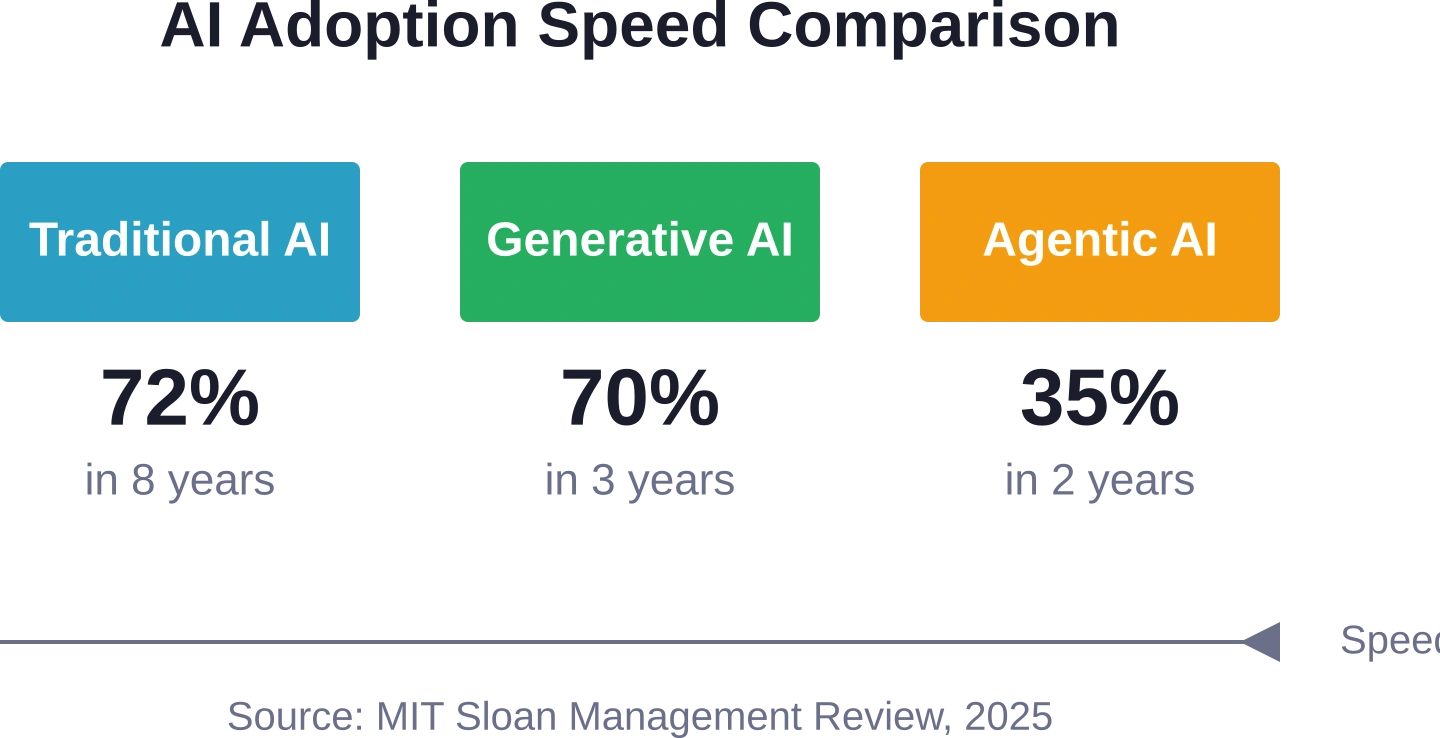
ساهم التحول إلى الذكاء الاصطناعي التوليدي في تسريع هذا التطور. فقد حقق الذكاء الاصطناعي التقليدي انتشارًا واسعًا على مدى ثماني سنوات، بينما وصل انتشار الذكاء الاصطناعي التوليدي إلى 701 تريليون في ثلاث سنوات فقط. أما الذكاء الاصطناعي الوكيل، فقد وصل انتشاره إلى 351 تريليون في غضون عامين تقريبًا، مع وجود 441 تريليون مؤسسة أخرى تخطط لتطبيقه.
ما الذي تغير؟ ثلاث قدرات رئيسية:
- الفهم السياقي: تقوم برامج الروبوت الآن بتتبع سجل المحادثات والإشارة إلى التبادلات السابقة بشكل طبيعي
- حوار متعدد الأدوار: تتعامل الأنظمة مع عمليات النقل المعقدة ذهابًا وإيابًا دون فقدان الترابط.
- تكامل النظام: تستعلم روبوتات الدردشة الحديثة عن قواعد البيانات، وتُفعّل سير العمل، وتُحدّث سجلات إدارة علاقات العملاء في الوقت الفعلي.
التكنولوجيا فعّالة، لكن التنفيذ هو ما يحدد النجاح.
حالات استخدام أساسية للأعمال تحقق عائدًا فعليًا على الاستثمار
بصراحة: ليس كل تطبيق لروبوتات الدردشة ينجح. المنظمات التي تحقق عوائد حقيقية تركز على حالات استخدام محددة وقابلة للقياس.
أتمتة دعم العملاء
لا يزال هذا التطبيق الأكثر شيوعًا والأكثر نجاحًا بين تطبيقات روبوتات الدردشة. تتولى هذه الروبوتات معالجة استفسارات الدعم من المستوى الأول: إعادة تعيين كلمات المرور، وحالة الطلبات، وأسئلة الحساب، واستكشاف الأخطاء وإصلاحها الأساسية.
أفادت شركة ChatBot أنه بعد تطبيق حلولها، قام ملعب ويمبلي بإزالة أرقام الهواتف من موقعه الإلكتروني بالكامل، وخفض المكالمات غير المتعلقة بالمبيعات بشكل ملحوظ. ويتولى الروبوت الرد على الاستفسارات الروتينية على مدار الساعة، ويحيل المشكلات المعقدة إلى موظفين بشريين مع تقديم كافة التفاصيل.
تُجدي الحسابات الاقتصادية نفعاً. تتراوح تكلفة التفاعل مع الموظفين البشريين بين $15 و25. أما التفاعلات مع روبوتات الدردشة فتتراوح تكلفتها بين $0.50 و2.00. وعند التوسع، تصبح الحسابات مُقنعة.
تأهيل العملاء المحتملين والمبيعات
تستخدم الشركات الذكية روبوتات الدردشة في مراحل مبكرة من مسار المبيعات. تتفاعل هذه الروبوتات مع زوار الموقع الإلكتروني، وتطرح أسئلة لتحديد مدى ملاءمتهم، وتوجه العملاء المحتملين ذوي الاهتمامات العالية إلى فرق المبيعات مع توفير سياق كامل.
وفقًا لدراسات الحالة الخاصة بـ ChatBot، أفاد بعض العملاء بتحقيق إيرادات كبيرة من خلال تفاعلات Chatbot، بما في ذلك إتمام عمليات البيع بقيم طلبات متوسطة كبيرة وتوليد إيرادات شهرية إضافية.
العمليات الداخلية وإدارة المعرفة
تخدم روبوتات الدردشة المؤسسية الموظفين بشكل متزايد، وليس العملاء فقط. تُظهر الأبحاث التي أُجريت في مختبرات جامعية أن روبوتات الدردشة يمكن أن تعمل كنظم ذاكرة تنظيمية، مما يساعد الفرق على الوصول إلى الوثائق، والعثور على الخبراء، واسترجاع المعرفة المؤسسية.
وفقًا لبحث أجرته arXiv حول روبوتات الدردشة الخاصة بالتحول الرقمي، تستخدم المؤسسات مساعدي الذكاء الاصطناعي لتحديد فرص الأتمتة وتوجيه تبني التكنولوجيا عبر الأقسام.
تشير الأبحاث إلى أن العمال ذوي المهارات المتعلقة بالذكاء الاصطناعي يحصلون على علاوات في الأجور في سوق العمل.
حلول روبوتات الدردشة للشركات الكبيرة مقابل الشركات الصغيرة
ينقسم سوق برامج الدردشة الآلية إلى قطاعين متميزين. تلبي حلول المؤسسات وأدوات الشركات الصغيرة احتياجات مختلفة بشكل أساسي.
| عامل | حلول المشاريع | أدوات الأعمال الصغيرة |
|---|---|---|
| التسعير | عروض أسعار مخصصة، غالباً ما تتراوح قيمتها بين 10 آلاف و100 ألف دولار أمريكي سنوياً | خطط اشتراك $39-300/شهري |
| وقت الإعداد | قد يستغرق الأمر أسابيع إلى شهور، ويتطلب موارد من المطورين | من 15 دقيقة إلى ساعتين، أدوات بناء بدون كتابة أكواد |
| التخصيص | تحكم كامل، نماذج مخصصة، نشر محلي | قائم على القوالب مع خيارات التكوين |
| اندماج | تكامل عميق مع أنظمة تخطيط موارد المؤسسات (ERP) وإدارة علاقات العملاء (CRM) والأنظمة القديمة | موصلات جاهزة للأدوات الشائعة |
| التحكم في البيانات | سيادة كاملة على البيانات، وخيارات الامتثال | شهادات الامتثال القياسية، مقدمة من البائع |
| الأفضل لـ | الخدمات المالية، والرعاية الصحية، والقطاعات الخاضعة للتنظيم، وأكثر من 1000 موظف | شركات الخدمات، والتجارة الإلكترونية، والشركات التي تقل إيراداتها عن مليون إلى 4 ملايين إلى 5 ملايين دولار |
لا توجد فئة أفضل من الأخرى، فكلتاهما تحلان مشاكل مختلفة.
تحتاج الشركات الصغيرة إلى سرعة في النشر وتكلفة معقولة. تتيح بعض منصات الشركات الصغيرة إمكانية الإعداد في غضون 15 دقيقة أو أقل، مع إمكانيات دعم متعددة القنوات.
تحتاج المؤسسات إلى التحكم والأمان وقابلية التوسع. توفر منصات مثل Rasa إمكانية النشر المحلي، وتدريب النماذج المخصصة، والتنسيق عبر سير العمل المعقد.
متى تختار منصات المؤسسات
ضع في اعتبارك حلول روبوتات الدردشة المؤسسية عندما:
- يتطلب الامتثال التنظيمي استضافة البيانات في الموقع
- التكامل مع الأنظمة القديمة أمر لا يقبل المساومة
- يتجاوز حجم الدعم 50,000 محادثة شهرياً
- يُعد التدريب المخصص على البيانات الخاصة أمرًا ضروريًا
- يدعم البرنامج لغات متعددة تشمل أكثر من 10 لغات
توفر منصات مثل Rasa وGoogle Cloud وغيرها أطر عمل للمطورين، وليس مجرد أدوات تهيئة. تقوم الفرق ببناء وكلاء ذكاء اصطناعي مخصصين ينسقون العمليات عبر الأنظمة ويتعاملون مع منطق الأعمال المعقد.
عندما تكون أدوات الأعمال الصغيرة أكثر ملاءمة
بالنسبة لمعظم الشركات التي يقل دخلها السنوي عن 1.4 إلى 5 ملايين دولار، توفر منصات روبوتات الدردشة للشركات الصغيرة عائدًا أسرع على الاستثمار:
- يكتمل الإعداد في غضون ساعات، وليس أسابيع.
- لا حاجة لموارد المطورين
- تكاليف شهرية متوقعة
- تكاملات جاهزة لـ Shopify و WordPress و Zapier
- يشمل الدعم والتحديثات
تُتيح المنصات التي تبدأ أسعارها من حوالي 1.39 تريليون روبية شهريًا إمكانية التعامل مع آلاف المحادثات والتكامل مع الأدوات الحالية. وكما أشارت مراجعات روبوتات الدردشة للشركات الصغيرة، فإن بعض الأدوات تُصبح مكلفة عند التوسع - حيث تصل تكلفتها إلى 1.100-3.00 تريليون روبية شهريًا - ولكنها تظل فعّالة من حيث التكلفة للشركات التي تُجري أقل من 5000 محادثة شهريًا.

أنشئ روبوتات محادثة للأعمال باستخدام AI Superior
تعمل روبوتات الدردشة المدعومة بالذكاء الاصطناعي بشكل أفضل عندما يتم تصميمها حول مهام العمل الحقيقية، وليس مجرد إضافتها كأداة دعم عامة. AI Superior تُقدم خدمات تطوير روبوتات الدردشة المدعومة بالذكاء الاصطناعي، وتطوير الذكاء الاصطناعي التوليدي، والاستشارات القانونية، ومعالجة اللغات الطبيعية، وتطوير برمجيات الذكاء الاصطناعي، ودمج الذكاء الاصطناعي. بالنسبة للشركات، يُمكن لهذه الخدمات دعم أتمتة خدمة العملاء، وتوفير مساعدين داخليين، والبحث المعرفي، والإجابة على الأسئلة المستندة إلى المستندات، وتأهيل العملاء المحتملين، ودمج ميزات روبوتات الدردشة ضمن المنصات الحالية.
قد تشمل أعمال شركة AI Superior في مجال برامج الدردشة الآلية ما يلي:
- تحديد حالات استخدام روبوتات الدردشة لسير العمل التجاري
- تطوير روبوتات الدردشة المدعومة بالذكاء الاصطناعي والمساعدين القائمين على برامج التعلم الآلي
- تطبيق معالجة اللغة الطبيعية للتفاعلات النصية
- ربط روبوتات الدردشة ببيانات الشركة أو مستنداتها
- دمج ميزات روبوتات الدردشة في الأنظمة الحالية
👉تواصل مع شركة AI Superior لمناقشة حلول روبوتات الدردشة المدعومة بالذكاء الاصطناعي لعملائك أو فريقك أو منتجك الرقمي.
السمات الرئيسية التي تميز الفائزين عن المدّعين
تبدو قوائم التحقق من الميزات التي يقدمها الموردون متشابهة. لكن في الواقع، تختلف جودة التنفيذ اختلافاً كبيراً.
جودة فهم اللغة الطبيعية
هذا الأمر أهم من أي شيء آخر. فالروبوت الذي يسيء فهم المستخدمين يُسبب الإحباط، لا الكفاءة.
اختبر أي منصة باستخدام استعلامات غامضة. محركات معالجة اللغة الطبيعية الجيدة تتعامل مع الأخطاء الإملائية واللغة العامية وتغيير السياق. أما المحركات الضعيفة فتتعطل فوراً.
بحسب أبحاث معهد مهندسي الكهرباء والإلكترونيات (IEEE) حول تطوير معالجة اللغة الطبيعية، ينبغي أن تستفيد روبوتات المحادثة الحديثة من بنى المحولات والتضمينات السياقية. اسأل الموردين عن النماذج التي تدعم معالجة اللغة الطبيعية لديهم. لم يعد مطابقة الأنماط العامة كافيًا.
تسليم سلس للبشر
لا تستطيع الروبوتات التعامل مع كل شيء. إن تسليم الخدمة إلى الموظفين البشريين هو ما يحدد ما إذا كان المستخدمون سيظلون راضين أم سيتوقفون عن استخدامها.
تنقل المنصات عالية الجودة سياق المحادثة بالكامل إلى الموظفين. لا يكرر العميل كلامه. ويرى الموظف سجل المحادثة، والنية، وبيانات المشاعر.
عمليات التسليم السيئة تُفقد السياق وتُحبط جميع الأطراف المعنية.
اتساق متعدد القنوات
يتوقع العملاء تجارب متسقة عبر الدردشة على الويب، وتطبيقات الهاتف المحمول، وفيسبوك ماسنجر، وواتساب، والرسائل النصية القصيرة. يجب أن يتذكر الروبوت المحادثات بغض النظر عن القناة المستخدمة.
تدّعي العديد من المنصات دعمها للقنوات المتعددة، لكنها تُطبّق كل قناة على حدة. أما المنصات متعددة القنوات الحقيقية، فتُحافظ على سجلّ موحّد للمحادثات وسياقها عبر جميع نقاط التفاعل.
التحليلات والتحسين المستمر
لا يمثل النشر خط النهاية، بل هو نقطة البداية. تتحسن روبوتات المحادثة بمرور الوقت من خلال التحليل والتكرار.
ابحث عن المنصات التي توفر ما يلي:
- نصوص المحادثات مع تحليل المشاعر
- مقاييس دقة التعرف على النوايا
- تحديد نقطة التسليم
- إمكانيات اختبار A/B لاختلافات الاستجابة
- سير عمل إعادة التدريب الآلي
يؤكد بحث معهد ماساتشوستس للتكنولوجيا حول استراتيجية الذكاء الاصطناعي على أهمية اتباع مناهج تكرارية لنشر الذكاء الاصطناعي والتحسين المستمر.
اعتبارات الحوكمة والمخاطر والامتثال
يتجاوز تبني الذكاء الاصطناعي وضع استراتيجياته. تقوم المؤسسات بنشر روبوتات الدردشة قبل وضع أطر الحوكمة، وقد تدفع الثمن في بعض الأحيان.
يوفر إطار إدارة مخاطر الذكاء الاصطناعي الصادر عن المعهد الوطني للمعايير والتكنولوجيا (NIST) إرشادات لتعزيز الثقة في تقنيات الذكاء الاصطناعي مع تشجيع الابتكار وتخفيف المخاطر. ينبغي للمؤسسات مواءمة عمليات نشر روبوتات المحادثة مع هذه المبادئ.
الخصوصية وحماية البيانات
تقوم برامج الدردشة الآلية بمعالجة المعلومات الحساسة. أسماء العملاء، وأرقام الحسابات، والبيانات الصحية، والتفاصيل المالية - كل ذلك يمر عبر سجلات المحادثات.
أوضحت لجنة التجارة الفيدرالية موقفها جلياً، مؤكدةً على ضرورة التزام شركات الذكاء الاصطناعي بتعهداتها المتعلقة بالخصوصية والسرية. وفي سبتمبر/أيلول 2025، أطلقت اللجنة تحقيقاً في برامج الدردشة الآلية التي تعمل بالذكاء الاصطناعي، وأصدرت أوامر لسبع شركات تطلب معلومات حول كيفية قياسها واختبارها ومراقبتها للآثار السلبية المحتملة.
وتتخذ لجنة التجارة الفيدرالية إجراءات بشأن المخالفات. ففي مارس 2026، مُنعت شركة Air AI ومالكوها من تسويق فرص الأعمال بعد اتهامات من لجنة التجارة الفيدرالية بتضليل رواد الأعمال والشركات الصغيرة. كما رفعت اللجنة دعوى قضائية ضد شركة FBA Machine لتقديمها ضمانات كاذبة للمستهلكين بإمكانية جني المال باستخدام برمجيات مدعومة بالذكاء الاصطناعي ضمن مخطط لفرص الأعمال.
بالنسبة للشركات التي تستخدم روبوتات الدردشة، فإن الرسالة واضحة: تطبيق معالجة البيانات بشكل صحيح، والحصول على موافقة مستنيرة، وعدم المبالغة في الوعود بشأن القدرات.
الشفافية والإفصاح
هل ينبغي أن تُعرّف برامج الدردشة الآلية نفسها على أنها ذكاء اصطناعي؟ تجيب اللوائح بشكل متزايد بنعم.
أفضل الممارسات: الإفصاح عن استخدام الذكاء الاصطناعي مسبقاً. يُقدّر المستخدمون الصدق، بينما يُولّد الخداع انعدام الثقة.
التحيز والإنصاف
ترث نماذج الذكاء الاصطناعي تحيزات من بيانات التدريب. ويمكن لروبوتات الدردشة التي تتخذ قرارات تجارية - مثل تحديد أهلية القروض، وتوصيات التوظيف، وتعديلات الأسعار - أن تساهم في استمرار التمييز.
يتعين على المؤسسات إجراء اختبارات للكشف عن التحيز، ومراقبة النتائج عبر مختلف الفئات الديموغرافية، وتطبيق ضمانات العدالة. ووفقًا لتوجيهات المعهد الوطني للمعايير والتكنولوجيا (NIST)، ينبغي أن تكون إدارة مخاطر الذكاء الاصطناعي عملية مستمرة، وليست مجرد تدقيق لمرة واحدة.
ما يمكن توقعه: التسعير وواقع التنفيذ
يركز التسويق للبائعين على البساطة. أما الواقع فيتضمن التعقيد.
أسعار خاصة بالشركات الصغيرة
تبدأ أسعار الباقات الأساسية من حوالي $39 شهريًا للوظائف الأساسية وحجم الرسائل المحدود. وكما هو موضح في مقارنات المنصات، تشمل هذه الباقات عادةً ما يلي:
- 1000-2500 محادثة شهرياً
- تكامل موقع ويب واحد
- التحليلات الأساسية
- الدعم عبر البريد الإلكتروني
تضيف الخطط المتوسطة ($100-300/شهريًا) دعمًا متعدد القنوات، وزيادة في حدود الرسائل، وتكاملات إدارة علاقات العملاء، ودعمًا ذا أولوية.
ينبغي على الشركات الصغيرة أن تتوقع زيادة التكاليف مع ازدياد حجم المحادثات. لذا، يُنصح بتخصيص ميزانية إضافية تتراوح بين 20 و30% فوق الخطة الأساسية لمواكبة النمو.
تسعير المؤسسات
لا تنشر منصات روبوتات الدردشة الخاصة بالمؤسسات أسعارها. وتعتمد عروض الأسعار المخصصة على حجم المحادثات ومتطلبات الميزات ونموذج النشر واحتياجات الدعم.
تتراوح تكلفة عمليات التنفيذ النموذجية للمؤسسات بين 10,000 و100,000 دولار أمريكي سنويًا. وتضيف عمليات الإعداد والتخصيص الأولية عادةً ما بين 25,000 و75,000 دولار أمريكي إلى تكاليف الخدمات المهنية.
بالنسبة لعمليات النشر الكبيرة التي تعالج مئات الآلاف من المحادثات شهريًا، تنخفض تكلفة المحادثة الواحدة بشكل كبير مقارنة بخطط الشركات الصغيرة - لكن إجمالي الاستثمار يظل كبيرًا.
التكاليف الخفية التي يجب مراعاتها في الميزانية
لا تمثل اشتراكات المنصة سوى جزء من التكلفة الإجمالية:
- إنشاء المحتوى: كتابة مسارات محادثة فعالة تستغرق من 20 إلى 40 ساعة مبدئياً
- تطوير التكامل: يتطلب الاتصال بالأنظمة الحالية وقتًا من المطورين
- التدريب وإدارة التغيير: يحتاج الموظفون إلى التدريب على سير العمل الجديد
- التحسين المستمر: خصص من 5 إلى 10 ساعات شهريًا لتحسين الأداء
تستثمر المؤسسات التي تحقق تحسينات في الإنتاجية في التنفيذ السليم، وليس فقط في الوصول إلى المنصة.
أفضل ممارسات التنفيذ من عمليات النشر الناجحة
وفقًا لبحث أجراه معهد ماساتشوستس للتكنولوجيا حول استراتيجية الذكاء الاصطناعي، فإن المنظمات الناجحة تتعامل مع نشر روبوتات الدردشة بشكل استراتيجي بدلاً من تكتيكي.
ابدأ بتضييق النطاق، ثم وسّعه.
إن محاولة أتمتة كل شيء دفعة واحدة تؤدي إلى نتائج متواضعة في جميع حالات الاستخدام. اختر سيناريو واحداً ذا قيمة عالية ومحدداً بدقة.
عمليات نشر أولى جيدة:
- إعادة تعيين كلمة المرور تلقائيًا
- الاستفسار عن حالة الطلب
- معلومات عن ساعات العمل والموقع
- إجابات الأسئلة الشائعة لأهم 10 أسئلة
أتقن حالة استخدام واحدة. قِس النتائج. ثم وسّع نطاق الاستخدام.
إشراك فرق الخطوط الأمامية مبكراً
يعرف ممثلو خدمة العملاء الأسئلة التي تستنزف وقتهم. وتفهم فرق المبيعات أسباب توقف العملاء المحتملين. ويرى موظفو العمليات الاختناقات في سير العمل.
تُطوّر الفرق متعددة التخصصات روبوتات محادثة أفضل من تلك التي تُطوّرها أقسام تكنولوجيا المعلومات التي تعمل بمعزل عن بعضها. وكما يؤكد برنامج التعليم التنفيذي في معهد ماساتشوستس للتكنولوجيا، يجب على الفرق أن تُطوّر فهمًا مشتركًا لكيفية تطبيق الذكاء الاصطناعي بفعالية.
حدد معايير نجاح واقعية
لا تتحسن جميع المقاييس في آن واحد. قد يؤدي تحسين معدل الاحتواء (نسبة المحادثات التي تتم دون تدخل بشري) إلى الإضرار برضا العملاء في البداية.
حدد 2-3 مقاييس أساسية تتوافق مع أهداف العمل:
- تكلفة الدعم لكل محادثة
- الوقت اللازم للحل
- مؤشرات رضا العملاء
- معدلات التحويل لروبوتات المبيعات
- إنتاجية الموظفين للروبوتات الداخلية
قم بالقياس باستمرار. كرر العملية بناءً على البيانات، وليس على الافتراضات.
خطة للتعلم المستمر
يمثل النشر الأولي ربما 60% من الأداء النهائي. أما الـ 40% المتبقية فتأتي من دورات التحسين.
راجع نصوص المحادثات أسبوعياً. حدد سوء الفهم. أضف بيانات التدريب. حسّن الردود. يتحسن برنامج الدردشة الآلي باستمرار، ولكن فقط إذا كان هناك من يقود هذا التحسين.
الطريق إلى الأمام: اتجاهات الذكاء الاصطناعي التي تشكل روبوتات الدردشة التجارية
يتوقع خبراء الذكاء الاصطناعي في جامعة ستانفورد أن يشهد عام 2026 تحولاً من الترويج للذكاء الاصطناعي إلى تقييمه. سينصب التركيز على الفائدة الفعلية بدلاً من الوعود النظرية، مع زيادة التركيز على الدقة والشفافية.
ستحدد عدة اتجاهات المرحلة التالية من تطور روبوتات الدردشة التجارية.
الذكاء الاصطناعي الآلي يصبح شائعًا
تستجيب برامج الدردشة الآلية الحالية. أما الذكاء الاصطناعي الفاعل فيعمل.
مع اعتماد 35% لهذه التقنية خلال عامين تقريبًا، وتخطيط 44% من المؤسسات لنشرها قريبًا، يُمثل الذكاء الاصطناعي الوكيل الأفق الجديد. لا تقتصر هذه الأنظمة على الإجابة عن أسئلة حول حالة الطلبات فحسب، بل تتتبع الشحنات بشكل استباقي، وتحدد التأخيرات، وتعيد توجيه الطرود تلقائيًا.
يصف بحث معهد ماساتشوستس للتكنولوجيا هذا بأنه المؤسسة الوكيلة الناشئة، حيث تتولى وكلاء الذكاء الاصطناعي إدارة سير العمل من البداية إلى النهاية بأقل قدر من الإشراف البشري.
توسيع القدرات متعددة الوسائط
تفسح روبوتات الدردشة النصية المجال أمام وكلاء الذكاء الاصطناعي متعددي الوسائط الذين يتعاملون مع الصور والمستندات والصوت والفيديو. يقوم المستخدمون بتحميل الصور لتسهيل استكشاف الأخطاء وإصلاحها بصريًا. تحلل الروبوتات المستندات وتستخرج المعلومات الأساسية. تصبح واجهات الصوت تفاعلية حقًا.
تُظهر نماذج Gemini من جوجل والمنصات المشابهة بالفعل فهمًا متعدد الوسائط. ومن المتوقع أن تنتشر هذه القدرة تدريجيًا لتشمل أدوات الشركات الصغيرة والمتوسطة خلال عامي 2026 و2027.
أصبحت كفاءة الطاقة مصدر قلق
تستهلك مراكز البيانات موارد كهربائية عالمية كبيرة، مع تزايد المخاوف بشأن كفاءة الطاقة لأنظمة الذكاء الاصطناعي.
ستواجه المؤسسات ضغوطًا لتحسين كفاءة نشر الذكاء الاصطناعي. وقد تحل النماذج الأصغر حجمًا والمتخصصة محل النماذج العامة في حالات استخدام محددة لروبوتات المحادثة، مما يقلل من العبء الحسابي مع الحفاظ على الأداء.
نضج الأطر التنظيمية
يشير تطبيق لجنة التجارة الفيدرالية الاستباقي للقوانين إلى وضوح تنظيمي قادم. من المتوقع أن يتم تقنين متطلبات محددة تتعلق بالإفصاح عن الذكاء الاصطناعي، ومعالجة البيانات، واختبار التحيز خلال عام 2026.
تتمتع المنظمات التي تبني أطر حوكمة بميزة تنافسية الآن. أما تلك التي تنتظر وضوحاً تنظيمياً تاماً، فتواجه خطر التدافع لتعديل الامتثال لاحقاً.
الأسئلة الشائعة
ما الفرق بين روبوتات الدردشة القائمة على القواعد وروبوتات الدردشة المدعومة بالذكاء الاصطناعي؟
تتبع روبوتات الدردشة القائمة على القواعد شجرة قرارات، فإذا قال المستخدم س، يتم الرد بـ ص. وهي فعالة في التفاعلات البسيطة والمتوقعة، لكنها تفشل عندما يصيغ المستخدمون الأسئلة بشكل غير متوقع. أما روبوتات الدردشة المدعومة بالذكاء الاصطناعي، فتستخدم معالجة اللغة الطبيعية والتعلم الآلي لفهم النية بغض النظر عن الصياغة. وهي تتعامل مع المحادثات المعقدة والمتعددة الأدوار، وتتحسن بمرور الوقت من خلال التدريب. وتجمع معظم روبوتات الدردشة الحديثة في مجال الأعمال بين كلا النهجين: الذكاء الاصطناعي للفهم، والقواعد لسير العمل الحساس الذي يتطلب دقة عالية.
كم تبلغ تكلفة روبوت الدردشة المدعوم بالذكاء الاصطناعي للشركات الصغيرة؟
تبدأ أسعار منصات روبوتات الدردشة للشركات الصغيرة عادةً من حوالي 1.39 جنيه إسترليني شهريًا للخطط الأساسية التي تغطي من 1000 إلى 2500 محادثة. أما الخطط المتوسطة فتتراوح أسعارها بين 1.100 و1.30 جنيه إسترليني شهريًا، وتتضمن قنوات إضافية، وتكاملات، وحدودًا أعلى للرسائل. تشمل التكلفة الإجمالية رسوم المنصة، بالإضافة إلى 20-40 ساعة لإنشاء المحتوى الأولي، و5-10 ساعات شهريًا للتحسين. تنفق معظم الشركات الصغيرة ما بين 1.500 و2.00 جنيه إسترليني في الربع الأول (شاملةً الإعداد)، وما بين 1.50 و1.40 جنيه إسترليني شهريًا بشكل مستمر.
هل يمكن لبرامج الدردشة الآلية أن تحل محل موظفي خدمة العملاء البشريين؟
لا، وليس هذا هو الغرض منها. تتفوق روبوتات الدردشة في التعامل مع الاستفسارات المتكررة ذات الحجم الكبير: إعادة تعيين كلمات المرور، وتتبع الطلبات، والإجابة على الأسئلة الشائعة، وحل المشكلات الأساسية. وهي تعمل على مدار الساعة طوال أيام الأسبوع بتكلفة أقل بكثير من تكلفة الموظفين البشريين. لكن المشكلات المعقدة، والمواقف التي تتطلب التعاطف، والمشاكل المستجدة لا تزال بحاجة إلى رأي بشري. تستخدم أفضل التطبيقات روبوتات الدردشة للدعم من المستوى الأول، مما يتيح للموظفين البشريين التركيز على الحالات المعقدة حيث يقدمون أكبر قيمة. عادةً ما ترى المؤسسات التي تستخدم روبوتات الدردشة أن جزءًا من الاستفسارات يتم التعامل معه آليًا، بينما يتم تصعيد الحالات المعقدة إلى الموظفين البشريين.
كم من الوقت يستغرق تنفيذ برنامج دردشة آلي للأعمال؟
يختلف وقت التنفيذ اختلافًا كبيرًا باختلاف المنصة والنطاق. تُمكّن منصات الشركات الصغيرة التي لا تتطلب كتابة أكواد من إعدادها في غضون ساعات. أما إضافة مسارات محادثة مخصصة، وعمليات تكامل، وبيانات تدريب، فتؤدي عادةً إلى تمديد هذه المدة إلى أسبوع أو أسبوعين. تتطلب عمليات نشر روبوتات الدردشة للمؤسسات فترات تنفيذ أطول، وذلك تبعًا لمدى تعقيد التكامل ومتطلبات التخصيص. النمط: روبوت دردشة بسيط في غضون ساعات، روبوت دردشة جاهز للإنتاج في غضون أسابيع، روبوت دردشة على نطاق المؤسسة في غضون أشهر.
ماذا يحدث عندما لا يفهم برنامج الدردشة الآلي سؤال العميل؟
تُطبّق روبوتات الدردشة عالية الجودة استراتيجيات احتياطية عندما ينخفض مستوى الثقة عن الحد الأدنى المطلوب. تشمل الأساليب الشائعة طرح أسئلة توضيحية، واقتراح مواضيع ذات صلة، والبحث في قواعد المعرفة، أو التصعيد الفوري إلى موظفين بشريين. أسوأ رد فعل هو التظاهر بالفهم، فهذا يُحبط المستخدمين. أفضل الممارسات: ضبط محفزات واضحة للتحويل إلى موظف بشري، وتزويد الموظفين بسياق المحادثة الكامل. مراجعة التفاعلات الفاشلة أسبوعيًا لتحديد الثغرات وإضافة بيانات تدريبية، مما يُحسّن الأداء في المستقبل.
هل توجد مخاوف تتعلق بالامتثال عند استخدام روبوتات الدردشة المدعومة بالذكاء الاصطناعي؟
نعم، لا سيما فيما يتعلق بخصوصية البيانات والشفافية والإنصاف. تتخذ لجنة التجارة الفيدرالية إجراءات صارمة ضد الادعاءات المضللة المتعلقة بالذكاء الاصطناعي وانتهاكات الخصوصية، وقد أسفرت الإجراءات الأخيرة عن حظر فرص تجارية واسترداد الأموال المستحقة نتيجة الاحتيال. يجب على المؤسسات الحصول على موافقة مستنيرة لجمع البيانات، والإفصاح عن استخدام الذكاء الاصطناعي للمستخدمين، وتطبيق إجراءات أمنية مناسبة للبيانات، واختبار التحيز في عملية صنع القرار، والاحتفاظ بسجلات لسلوك نظام الذكاء الاصطناعي. وتواجه القطاعات الخاضعة للتنظيم متطلبات إضافية. يوفر إطار إدارة مخاطر الذكاء الاصطناعي الصادر عن المعهد الوطني للمعايير والتكنولوجيا (NIST) إرشادات للحوكمة. إن الامتثال ليس اختيارياً، بل هو شرط أساسي للتطبيق المسؤول.
كيف أقيس عائد الاستثمار في برامج الدردشة الآلية؟
يعتمد قياس عائد الاستثمار على حالة الاستخدام. بالنسبة لدعم العملاء، تتبع تكلفة المحادثة الواحدة (بشرية مقابل آلية)، ووقت حل المشكلة، ومعدلات رضا العملاء. أما بالنسبة لروبوتات الدردشة الخاصة بالمبيعات، فقم بقياس معدل التحويل، ومتوسط قيمة الطلب، والإيرادات الناتجة مباشرةً عن تفاعلات الروبوت. وبالنسبة لروبوتات الدردشة الداخلية، قيّم الوقت الذي وفّره الموظفون ومكاسب الإنتاجية. تحقق المؤسسات التي تشهد تحسينات في الإنتاجية ذلك من خلال القياس الدقيق والتحسين المستمر. ابدأ بتحديد مقاييس أساسية قبل النشر، ثم تتبع التغييرات شهريًا. تشهد معظم الشركات عائدًا إيجابيًا على الاستثمار في غضون 3-6 أشهر لحالات استخدام الدعم، و6-12 شهرًا لتطبيقات المبيعات.
اتخاذ القرار الصحيح لمنظمتك
تجاوز استخدام روبوتات الدردشة المدعومة بالذكاء الاصطناعي مرحلة التجارب المبكرة ليصبح ممارسة شائعة في عالم الأعمال. ومع استخدام 881 مليار مؤسسة للذكاء الاصطناعي في وظيفة واحدة على الأقل، لم يعد السؤال هو ما إذا كان ينبغي نشر روبوتات الدردشة، بل أي منصة تناسب احتياجاتك الخاصة.
تستفيد الشركات الصغيرة من حلول سريعة النشر وبأسعار معقولة، تُحقق قيمة فورية دون الحاجة إلى موارد تطوير. تُدير المنصات التي تبدأ أسعارها من حوالي 1.4 مليار دولار شهريًا آلاف المحادثات وتتكامل مع الأدوات الحالية.
تحتاج المؤسسات إلى إمكانيات التخصيص والتحكم والامتثال. توفر منصات مثل Rasa وGoogle Cloud المرونة اللازمة لبناء ما تحتاجه المؤسسات المعقدة بالضبط، وإن كان ذلك بتكلفة أعلى وفترات تنفيذ أطول.
لا تكتفي المؤسسات التي تشهد تحسينات في الإنتاجية ومكاسب كبيرة بشراء منصات روبوتات الدردشة فحسب، بل تتبع نهجاً استراتيجياً في نشرها: بدءاً من حالات استخدام محددة، وإشراك فرق العمل الميدانية، والقياس بدقة، والتحسين المستمر.
بحسب بحث أجراه معهد ماساتشوستس للتكنولوجيا، تتطلب استراتيجية الذكاء الاصطناعي الناجحة من القيادة العليا تحديد الأولويات، ووضع حدود للمخاطر، وتوجيه الموارد إلى حيث يكون لها أكبر الأثر. كما يجب على الفرق متعددة التخصصات تطوير فهم مشترك لكيفية تطبيق الذكاء الاصطناعي بفعالية.
لقد ولّى زمن الضجيج الإعلامي حول الذكاء الاصطناعي، وبدأ عصر تقييمه. ركّز على الفائدة الفعلية، وقِس النتائج الملموسة، وابنِ أطر حوكمة قبل أن تفرضها الجهات التنظيمية. وتذكّر أن منصة روبوتات المحادثة أقل أهمية من الاستراتيجية التي توجه نشرها.
هل أنت مستعد لتطبيق حلول روبوتات الدردشة المدعومة بالذكاء الاصطناعي؟ ابدأ بتحديد حالة الاستخدام الأكثر قيمة لديك، ثم قيّم منصتين أو ثلاث منصات تناسب حجم أعمالك ومواردك التقنية، وجرّبها مع مجموعة صغيرة من المستخدمين قبل إطلاقها بالكامل. التكنولوجيا فعّالة، لكن النجاح يتطلب أكثر من مجرد تشغيلها.