ملخص سريع: يُحدث التعلّم الآلي نقلة نوعية في تطوير التطبيقات من خلال تمكين ميزات ذكية مثل التخصيص، والتحليلات التنبؤية، واتخاذ القرارات الآلية. بدءًا من Core ML وFoundation Models من Apple وصولًا إلى ExecuTorch من PyTorch للأجهزة الطرفية، يمتلك المطورون الآن أطر عمل قوية لدمج نماذج التعلّم الآلي على الأجهزة. تُشير الأبحاث الأكاديمية إلى وجود 56,682 تطبيقًا للذكاء الاصطناعي من بين 7.2 مليون تطبيق جوال، حيث حققت الأدوات معدلات نجاح في التجميع بلغت 98% ودقة تصنيف بلغت 92% في بيئات الإنتاج.
لقد تحول تطوير التطبيقات من الوظائف الأساسية إلى الأنظمة الذكية والمتكيفة. تقوم خوارزميات التعلم الآلي بتحليل سلوك المستخدم، والتنبؤ، وأتمتة المهام المعقدة التي كانت تتطلب في السابق تدخلاً بشرياً.
لكن الأمر المهم هو أن دمج التعلم الآلي في التطبيقات لا يقتصر على إضافة مصطلح رائج إلى قائمة الميزات. بل يتطلب فهم الأطر، وخطوط نقل البيانات، ونشر النماذج، وقيود الحوسبة الطرفية.
يشرح هذا الدليل الجانب العملي لتطوير تطبيقات التعلم الآلي، بدءًا من اختيار الأطر وحتى تكاليف النشر، مدعومًا ببيانات بحثية من المؤسسات الأكاديمية وأنظمة الإنتاج على نطاق واسع.
ما الذي يضيفه التعلم الآلي إلى تطوير التطبيقات؟
تقوم خوارزميات التعلم الآلي بمعالجة أنماط البيانات للتنبؤ واتخاذ القرارات دون الحاجة إلى برمجة صريحة لكل سيناريو. في التطبيقات، يُترجم هذا إلى ميزات تتكيف وتتحسن بناءً على تفاعلات المستخدم.
حللت دراسة أجرتها جامعة لوكسمبورغ وجامعة ألبرتا 7,259,232 تطبيقًا للهواتف المحمولة، وحددت 56,682 تطبيقًا مدعومًا بالذكاء الاصطناعي باستخدام أدوات الكشف الآلي. وقد استغرقت أداة التمييز بالذكاء الاصطناعي 1,440 ساعة عبر 96 عملية متزامنة لاستخراج هذه البيانات.
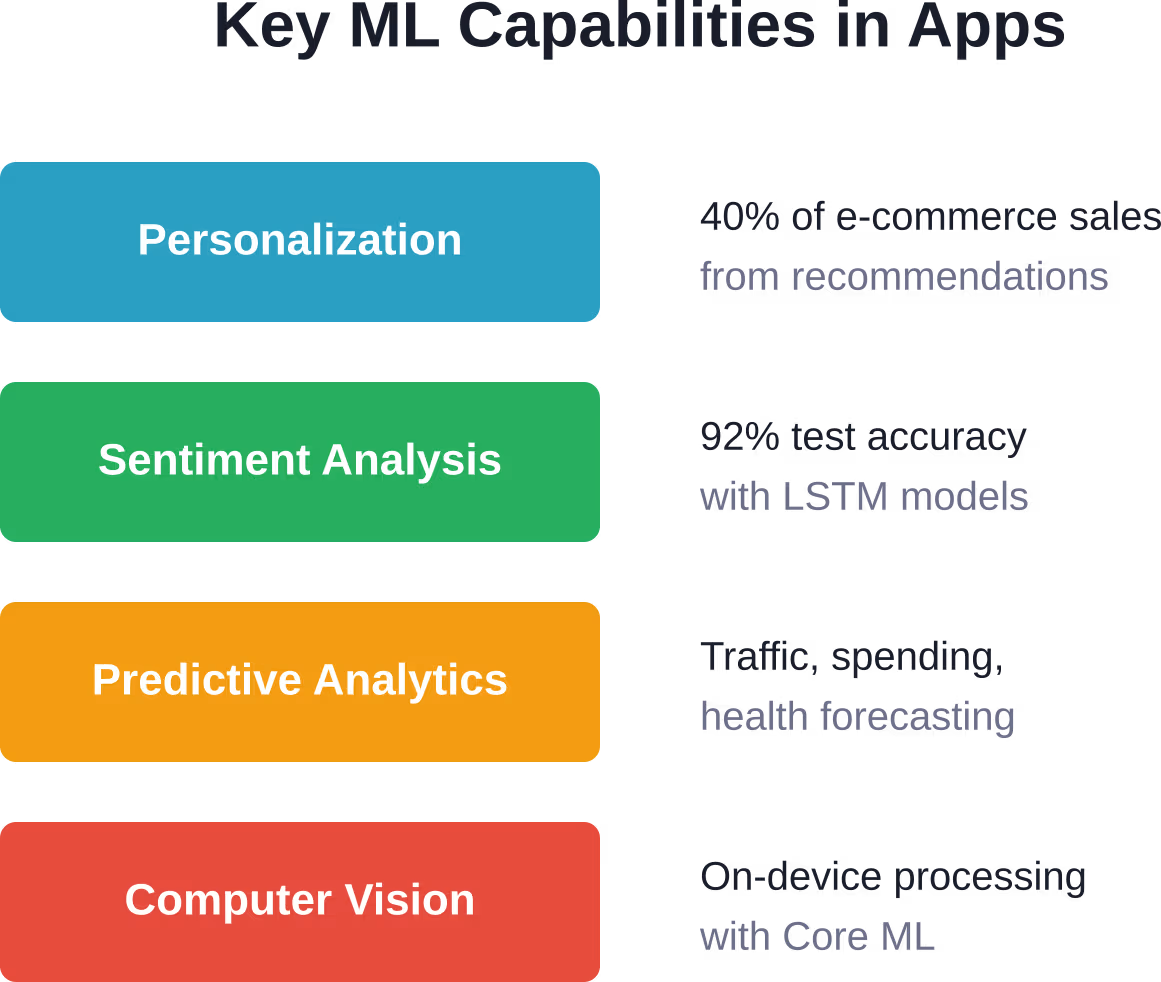
إذن، ما الذي يفعله التعلم الآلي فعلياً في تطبيقات الإنتاج؟ تبرز عدة قدرات أساسية.
توصيات شخصية
تتتبع خوارزميات التعلم الآلي أنماط التصفح وسجل الشراء وبيانات التفاعل لاقتراح محتوى أو منتجات ذات صلة. وتشير الشركات إلى أن التوصيات الشخصية تساهم في زيادة المبيعات بنسبة تصل إلى 401 تريليون دولار في تطبيقات التجارة الإلكترونية.
تستخدم الخوارزميات عادةً الترشيح التعاوني (تحليل سلوكيات المستخدمين المتشابهة) أو الترشيح القائم على المحتوى (مطابقة سمات العناصر مع تفضيلات المستخدم). وتجمع العديد من أنظمة الإنتاج بين كلا النهجين.
التحليلات التنبؤية
تتنبأ التطبيقات المالية بأنماط الإنفاق، وتتوقع التطبيقات الصحية المشكلات الطبية المحتملة، بينما تتوقع تطبيقات الخدمات اللوجستية تأخيرات التسليم. وتعتمد هذه التنبؤات على بيانات تاريخية تتم معالجتها من خلال نماذج الانحدار أو الشبكات العصبية.
تستخدم Waze منصة TensorFlow Extended (TFX) على Vertex AI لبناء مسارات التعلم الآلي التي تتنبأ بأنماط حركة المرور وتحسن التوجيه. ويعطي نظامهم الأولوية للبساطة والبنية التحتية المُدارة والنشر الآلي.
معالجة اللغة الطبيعية
تقوم التطبيقات بتحليل مدخلات المستخدم، واستخلاص النوايا، وإنشاء الاستجابات من خلال نماذج معالجة اللغة الطبيعية. وقد حققت نماذج تحليل المشاعر دقة اختبار بلغت 92% على مراجعات تطبيقات الجوال، حيث حققت البنى القائمة على LSTM دقة تدريب عالية وفقًا لبحث أجراه معهد تكنولوجيا سومطرة.
تتضمن عملية تصنيف المشاعر معالجة مسبقة للنصوص بأطوال تسلسل قصوى تبلغ 100 كلمة.
رؤية الكمبيوتر
تُشغّل تقنية التعرف على الصور ميزات تتراوح من التحقق من الهوية عبر الوجه إلى مسح المنتجات. تعالج النماذج مدخلات الكاميرا في الوقت الفعلي، وتحدد الأشياء أو النصوص أو الأنماط.
تعمل تقنية Core ML من Apple على تحسين نماذج رؤية الكمبيوتر لتحسين الأداء على الجهاز، مستفيدةً من معالجات Apple Silicon لتقليل استهلاك الذاكرة والطاقة. ويتولى هذا الإطار تصنيف الصور، واكتشاف الكائنات، وتقسيم الصور دون الحاجة إلى اتصال بالإنترنت.

قم ببناء ميزات تطبيق أكثر ذكاءً باستخدام AI Superior
AI Superior يقوم بتطوير تطبيقات تعتمد على الذكاء الاصطناعي ومنتجات برمجية مخصصة تعتمد على نماذج وخوارزميات التعلم الآلي. وقد تشمل أعمالهم التحليلات التنبؤية، ومعالجة اللغات الطبيعية، ورؤية الحاسوب، وذكاء الأعمال، وتحليلات البيانات الضخمة، ومكونات الذكاء الاصطناعي المخصصة.
بالنسبة لتطوير التطبيقات، يمكن أن يدعم هذا ميزات التوصية، والتعرف على الصور، والأدوات القائمة على الدردشة، والتخصيص، والتنبؤ، أو وظائف الذكاء الاصطناعي الأخرى المدمجة في تطبيقات الهاتف المحمول أو تطبيقات الويب.
هل تحتاج إلى دمج الذكاء الاصطناعي في تطبيقك؟
يمكن أن تساعدك تقنية AI Superior في:
- بناء ميزات مخصصة للذكاء الاصطناعي والتعلم الآلي
- إنشاء أدوات تنبؤية أو أدوات تعتمد على معالجة اللغة الطبيعية
- اختبار أفكار التطبيقات من خلال إثبات المفهوم أو العمل على الحد الأدنى من المنتج القابل للتطبيق
- ربط مكونات الذكاء الاصطناعي بالتطبيقات الحالية
👉 تواصل مع شركة AI Superior لمناقشة مشروعك.
أطر عمل وأدوات لتكامل التعلم الآلي
تتوفر للمطورين أطر عمل متعددة لإضافة إمكانيات التعلم الآلي إلى التطبيقات. ويعتمد الاختيار على متطلبات النظام الأساسي، ومدى تعقيد النموذج، وقيود النشر.
نظام التعلم الآلي من آبل
توفر شركة آبل ثلاثة أطر عمل مترابطة لتطوير تطبيقات iOS و iPadOS و macOS.
يدمج Core ML النماذج المدربة في التطبيقات مع تحسين الأداء على الجهاز. وهو يدعم مجموعة واسعة من أنواع النماذج، من مصنفات الصور إلى معالجات اللغة الطبيعية، مستفيدًا من معالجات Apple Silicon مع تقليل استهلاك الطاقة إلى أدنى حد.
يوفر إطار عمل نماذج الأساس وصولاً مباشراً إلى نموذج الأساس الموجود على الجهاز والذي يمثل جوهر تقنية Apple Intelligence. وبفضل دعم Swift الأصلي، يمكن للمطورين الوصول إلى النموذج بثلاثة أسطر برمجية فقط، مما يتيح ميزات ذكية تعمل دون الحاجة إلى اتصال بالإنترنت.
تتيح منصة Create ML للمطورين تدريب نماذج مخصصة باستخدام لغة Swift دون الحاجة إلى خبرة واسعة في مجال التعلم الآلي. ويتولى إطار العمل إعداد البيانات والتدريب والتقييم من خلال واجهة مرئية.
PyTorch Executorch
يُوسّع ExecuTorch نطاق PyTorch ليشمل الأجهزة الطرفية، بدءًا من الهواتف المحمولة وصولًا إلى الأنظمة المدمجة. ووفقًا لوثائق PyTorch، يوفر هذا الإطار قابلية النقل عبر منصات متنوعة، وبيئة تشغيل خفيفة الوزن مع تسريع كامل للأجهزة، وأدوات PyTorch مألوفة بدءًا من التأليف وحتى النشر.
يعمل هذا الإطار بكفاءة عالية على الأجهزة ذات الموارد المحدودة من خلال تحسين استخدام الذاكرة والاستفادة من تسريع الأجهزة في وحدات المعالجة المركزية ووحدات معالجة الرسومات ووحدات المعالجة العصبية ووحدات معالجة الإشارات الرقمية. وقد أنشأت شركة Arm مختبرات Jupyter عملية لعرض تطبيق ExecuTorch على وحدات المعالجة المركزية ووحدات المعالجة العصبية من Arm.
TensorFlow Lite
يقوم TensorFlow Lite بتحويل نماذج TensorFlow للنشر على الأجهزة المحمولة والأنظمة المدمجة. ويعمل هذا الإطار على ضغط النماذج وتحسين الاستدلال في البيئات ذات الموارد المحدودة.
قامت شركة Waze بتطبيق TFX مع Vertex AI لبناء بنية التعلم الآلي الخاصة بها، مع إعطاء الأولوية للبساطة والأتمتة. وتتولى هذه البنية معالجة استيعاب البيانات، وتدريب النماذج، والتحقق من صحتها، ونشرها دون الحاجة إلى إدارة يدوية للخوادم.
مجموعة أدوات التعلم الآلي لنظام أندرويد
توفر مجموعة أدوات التعلم الآلي من جوجل واجهات برمجة تطبيقات جاهزة للاستخدام لمهام التعلم الآلي الشائعة على نظام أندرويد. وتشمل الميزات التعرف على النصوص، واكتشاف الوجوه، ومسح الرموز الشريطية، والتعرف على اللغة.
يوفر هذا الإطار نماذج تعمل على الجهاز ونماذج سحابية. تعمل النماذج التي تعمل على الجهاز دون اتصال بالإنترنت وتعالج البيانات محليًا حفاظًا على الخصوصية، بينما توفر النماذج السحابية دقة أعلى للمهام المعقدة.
| نطاق | منصة | نقاط القوة الرئيسية | الأفضل لـ |
|---|---|---|---|
| الأساسية مل | نظام التشغيل iOS، نظام التشغيل macOS | تحسين معالجات أبل سيليكون | الاستدلال على الجهاز مع الحد الأدنى من استهلاك الطاقة |
| نماذج المؤسسة | نظام التشغيل iOS، نظام التشغيل macOS | تكامل Apple Intelligence | ميزات ذكية مع تطبيق Swift بثلاثة أسطر |
| إكسكيوترش | حافة متعددة المنصات | التوافق مع نظام PyTorch البيئي | أجهزة متنوعة من الأجهزة المحمولة إلى الأجهزة المدمجة |
| TensorFlow Lite | أندرويد، iOS، مدمج | ضغط النموذج | النشر المحدود بالموارد |
| مجموعة ML | أندرويد، iOS | واجهات برمجة التطبيقات الجاهزة | مهام التعلم الآلي الشائعة بدون تدريب |
عملية تطوير تطبيقات التعلم الآلي
يتطلب بناء تطبيق مدعوم بتقنيات التعلم الآلي تنسيق أعمال علم البيانات مع تطوير البرمجيات التقليدية. إليك كيفية سير العملية عادةً.
متطلبات التدقيق وبياناته
تبدأ المشاريع بتحديد ما يجب أن يحققه مكون التعلم الآلي وتقييم مدى توافر البيانات. هل توجد بيانات تاريخية؟ هل تم تصنيفها بشكل صحيح؟ ما هو حجم البيانات؟
تُحدد هذه المرحلة الثغرات مبكراً. لن ينجح تدريب محرك توصيات بدون سجل مشتريات أو بناء مصنف للمشاعر بدون تقييمات مصنفة.
تُظهر الأبحاث أن الفرق تقضي وقتاً طويلاً في إعداد البيانات. وتُبين دراسات تحليل المشاعر أن مسارات المعالجة المسبقة التي تجمع بين طي الأحرف الكبيرة والصغيرة، وإزالة الضوضاء القائمة على التعبيرات النمطية، وتصفية الكلمات الشائعة، والتجذير الصرفي، تُحسّن أداء التصنيف.
اختيار النموذج والتدريب
يختار علماء البيانات الخوارزميات بناءً على نوع المشكلة. قد تستخدم مهام التصنيف الانحدار اللوجستي أو الشبكات العصبية. أما مشاكل الانحدار فقد تستخدم النماذج الخطية أو أشجار القرار.
حققت نماذج LSTM أداءً متميزًا في مهام تصنيف المشاعر، حيث أظهرت الأبحاث دقة عالية في التدريب والاختبار لتحليل مشاعر مراجعات تطبيقات الجوال. واعتمد التدريب على مجموعات من المراجعات المُعالجة مسبقًا، بحد أقصى 100 كلمة في كل مجموعة.
يتكرر تدريب النموذج عبر إصدارات متعددة. تقوم الفرق بتعديل المعلمات الفائقة، وتجربة بنى مختلفة، وتقييم الأداء على بيانات التحقق قبل وضع الصيغة النهائية للنموذج.
تصميم وتطوير واجهة المستخدم
بينما يقوم علماء البيانات بتدريب النماذج، يقوم المطورون ببناء واجهة التطبيق وبنيته التحتية. وقد قدمت أبحاث من جامعة هوا تشونغ للعلوم والتكنولوجيا أداة DeclarUI، وهي أداة آلية لتوليد كود واجهة مستخدم تصريحي من التصاميم.
حقق نظام DeclarUI معدل نجاح في التجميع بلغ 98% على منصة React Native مع تغطية PTG (مخطط انتقال الصفحات) بلغت 96.8%. يقوم النظام بنمذجة العلاقات المعقدة بين الصفحات ويُجري تحسينات متكررة لتعزيز الدقة البصرية والشمولية الوظيفية.
تم تقييم الأداة على مجموعات بيانات تصميم واجهة المستخدم، مما يدل على قابليتها للتطبيق العملي على سير العمل التصميمي في العالم الحقيقي.
تكامل النموذج
يتم تحويل النماذج المدربة إلى تنسيقات مُحسّنة للأجهزة المحمولة. يستخدم Core ML ملفات بامتداد .mlmodel، ويستخدم TensorFlow Lite ملفات بامتداد .tflite، ويستخدم PyTorch ملفات بامتداد .pt أو .ptl.
يربط التكامل النموذج بمنطق التطبيق. عندما يؤدي إجراء المستخدم إلى بدء الاستدلال - كتابة رسالة، أو التقاط صورة، أو إجراء بحث - يقوم التطبيق بتمرير البيانات إلى النموذج ومعالجة المخرجات.
يُبقي النشر على الحافة المعالجة على الجهاز نفسه لضمان الخصوصية والسرعة. يوفر النشر السحابي قدرة حسابية أكبر، ولكنه يتطلب اتصالاً بالشبكة ويُضيف زمن استجابة.
الاختبار والتحسين
تحتاج نماذج التعلم الآلي إلى التحقق من صحتها بما يتجاوز اختبار البرمجيات التقليدي. تقوم الفرق بتقييم الدقة، والضبط، والاستدعاء، ودرجات F1 على مجموعات بيانات اختبار لم يرها النموذج أثناء التدريب.
يؤدي تحسين الأداء إلى تقليل حجم النموذج ووقت الاستدلال. وتشمل التقنيات التكميم (باستخدام أرقام ذات دقة أقل)، والتقليم (إزالة الأوزان غير الضرورية)، وتقطير المعرفة (تدريب نماذج أصغر لمحاكاة نماذج أكبر).
توفر أدوات التعلم الآلي الأساسية من Apple الآن تقنيات ضغط الوزن الدقيقة المصممة خصيصًا لنماذج اللغة الكبيرة ونماذج الانتشار التي تعمل على معالجات Apple Silicon.
تفصيل تكاليف تطوير تطبيقات التعلم الآلي
تُكلّف مشاريع تطبيقات التعلّم الآلي أكثر من التطبيقات التقليدية نظراً لخبرة علوم البيانات والموارد الحاسوبية اللازمة. إليكم العوامل التي تُؤثّر على هذه التكاليف.
التخطيط والهندسة المعمارية
تحدد المراحل الأولية المتطلبات، وجودة بيانات التدقيق، وهيكلية نظام التصميم. وتتضمن مراحل التخطيط والهيكلية عادةً استثماراً كبيراً في التقييم الأولي وتصميم النظام.
تحدد هذه المرحلة الجدوى التقنية. هل يمكن لخاصية التعلم الآلي المطلوبة أن تعمل مع البيانات المتاحة؟ ما هي الدقة الواقعية؟ ما هو أسلوب النشر الأمثل؟
البيانات والنمذجة
يشكل جمع البيانات وتنظيفها وتصنيفها وتدريب النموذج جوهر العمل في مجال التعلم الآلي. وتمثل هذه العمليات مكونات تكلفة كبيرة، وذلك تبعاً لحجم البيانات ومدى تعقيد النموذج.
غالباً ما يمثل تصنيف البيانات - أي قيام البشر بتصنيف أمثلة التدريب - تكلفة كبيرة. قد يتطلب تصنيف الصور آلاف الصور المصنفة. وتحتاج مهام معالجة اللغة الطبيعية إلى عينات نصية مصنفة.
يستهلك تدريب النماذج موارد حاسوبية. قد يستغرق تدريب الشبكات العصبية المعقدة ساعات أو أيامًا على مجموعات وحدات معالجة الرسومات، مما يستلزم تكاليف الحوسبة السحابية.
تطوير التطبيقات
يتطلب بناء واجهة التطبيق، والبنية التحتية للخادم، ودمج نموذج التعلم الآلي استثمارًا كبيرًا لتطوير تطبيقات جاهزة للإنتاج. تُصنف التطبيقات البسيطة ذات ميزات التعلم الآلي الأساسية ضمن الفئة الأدنى، بينما تصل التطبيقات المعقدة ذات مكونات التعلم الآلي المتعددة إلى الفئة الأعلى.
يستغرق وقت التطوير من 4 إلى 8 أسابيع لأعمال البيانات والنمذجة، بالإضافة إلى وقت إضافي لتنفيذ واجهة المستخدم ودمجها.
بنية تحتية
تشمل تكاليف البنية التحتية المستمرة الخوادم وقواعد البيانات واستضافة النماذج والخدمات السحابية. وتختلف نفقات البنية التحتية الشهرية اختلافاً كبيراً بناءً على حجم المستخدمين ومتطلبات الحوسبة.
يُقلل التعلم الآلي المُدمج في الجهاز من تكاليف البنية التحتية نظرًا لأن المعالجة تتم محليًا. أما التعلم الآلي السحابي فيتطلب خوادم لمعالجة طلبات الاستدلال، مما يزيد من النفقات التشغيلية.
تُظهر الأبحاث أن استراتيجيات خدمة النماذج الفعالة يمكن أن تُتيح وفورات كبيرة في تكاليف الاستدلال من خلال تحسين تخصيص الموارد.
| مرحلة التطوير | نطاق التكلفة | الجدول الزمني | الأنشطة الرئيسية |
|---|---|---|---|
| التخطيط والهندسة المعمارية | استثمار كبير | من أسبوعين إلى أربعة أسابيع | المتطلبات، تدقيق البيانات، تصميم النظام |
| البيانات والنمذجة | تكلفة كبيرة | 4-8 أسابيع | إعداد البيانات، وتصنيفها، وتدريب النموذج، واختباره. |
| تطوير التطبيقات | استثمار كبير | 6-12 أسبوعًا | واجهة المستخدم/تجربة المستخدم، الواجهة الخلفية، تكامل التعلم الآلي |
| البنية التحتية (شهريًا) | يختلف باختلاف الحجم | مستمر | الاستضافة، قواعد البيانات، خدمة النماذج |
تطبيقات عملية في مختلف الصناعات
تختلف إمكانيات التعلم الآلي باختلاف سياق الصناعة واحتياجات المستخدم.
التجارة الإلكترونية والتجزئة
تقوم محركات توصيات المنتجات بتحليل سجل التصفح، والإضافات إلى سلة التسوق، وأنماط الشراء لاقتراح منتجات مناسبة. يتيح البحث المرئي للمستخدمين تصوير المنتجات والعثور على منتجات مماثلة في المخزون.
تُعدّل خوارزميات التسعير الديناميكي الأسعار بناءً على الطلب والمنافسة ومستويات المخزون. وتتعامل روبوتات الدردشة مع استفسارات خدمة العملاء باستخدام معالجة اللغة الطبيعية لفهم الغرض من الاستفسار وتقديم ردود مناسبة.
الرعاية الصحية واللياقة البدنية
تقوم تطبيقات التشخيص بتحليل الأعراض والصور الطبية لتحديد المشكلات الصحية المحتملة. وتتنبأ أجهزة تتبع اللياقة البدنية بخطر الإصابة بناءً على أنماط النشاط وبيانات الميكانيكا الحيوية.
تستخدم تطبيقات التذكير بتناول الأدوية تقنيات التعلم الآلي لتحسين توقيت التذكير بناءً على أنماط التزام المستخدم. أما تطبيقات الصحة النفسية فتكتشف تغيرات الحالة المزاجية من خلال تحليل النصوص أو أنماط الصوت.
التمويل والمصارف
تُحدد أنظمة كشف الاحتيال المعاملات المشبوهة من خلال تحليل أنماط الإنفاق المعتادة وتحديد الحالات الشاذة. أما نماذج تقييم الجدارة الائتمانية فتُقيّم المخاطر باستخدام مصادر بيانات بديلة تتجاوز التقارير الائتمانية التقليدية.
يقدم المستشارون الآليون توصيات بشأن محافظ الاستثمار بناءً على مدى تقبل المخاطر والأهداف المالية. كما يقوم نظام تصنيف النفقات بتصنيف المعاملات تلقائيًا لأغراض إعداد الميزانية.
النقل والخدمات اللوجستية
تتنبأ خوارزميات تحسين المسارات بأنماط حركة المرور وتقترح أفضل الطرق. ويتعامل تطبيق TFX الخاص بـ Waze مع التنبؤ بحركة المرور في الوقت الفعلي وعلى نطاق واسع باستخدام خطوط أنابيب التعلم الآلي الآلية.
تساعد توقعات الطلب تطبيقات مشاركة الرحلات على تحديد مواقع السائقين في المناطق التي يُحتمل أن تكون فيها عمليات الاستلام. أما تطبيقات التوصيل فتتوقع أوقات وصول الطرود مع مراعاة حركة المرور والطقس والبيانات التاريخية.
المحتوى والوسائط
تُساهم توصيات المحتوى في زيادة التفاعل على منصات البث من خلال التنبؤ بما يرغب المستخدمون في مشاهدته. وتستخدم تطبيقات تحرير الصور والفيديوهات تقنيات التعلم الآلي لإجراء تحسينات تلقائية، وإزالة العناصر غير المرغوب فيها، ونقل الأنماط.
تتيح الترجمة والتعليقات التلقائية إمكانية الوصول إلى المحتوى عبر مختلف اللغات. كما يقوم نظام مراقبة المحتوى بتحديد المواد غير اللائقة باستخدام تقنيات رؤية الحاسوب ومعالجة اللغة الطبيعية.
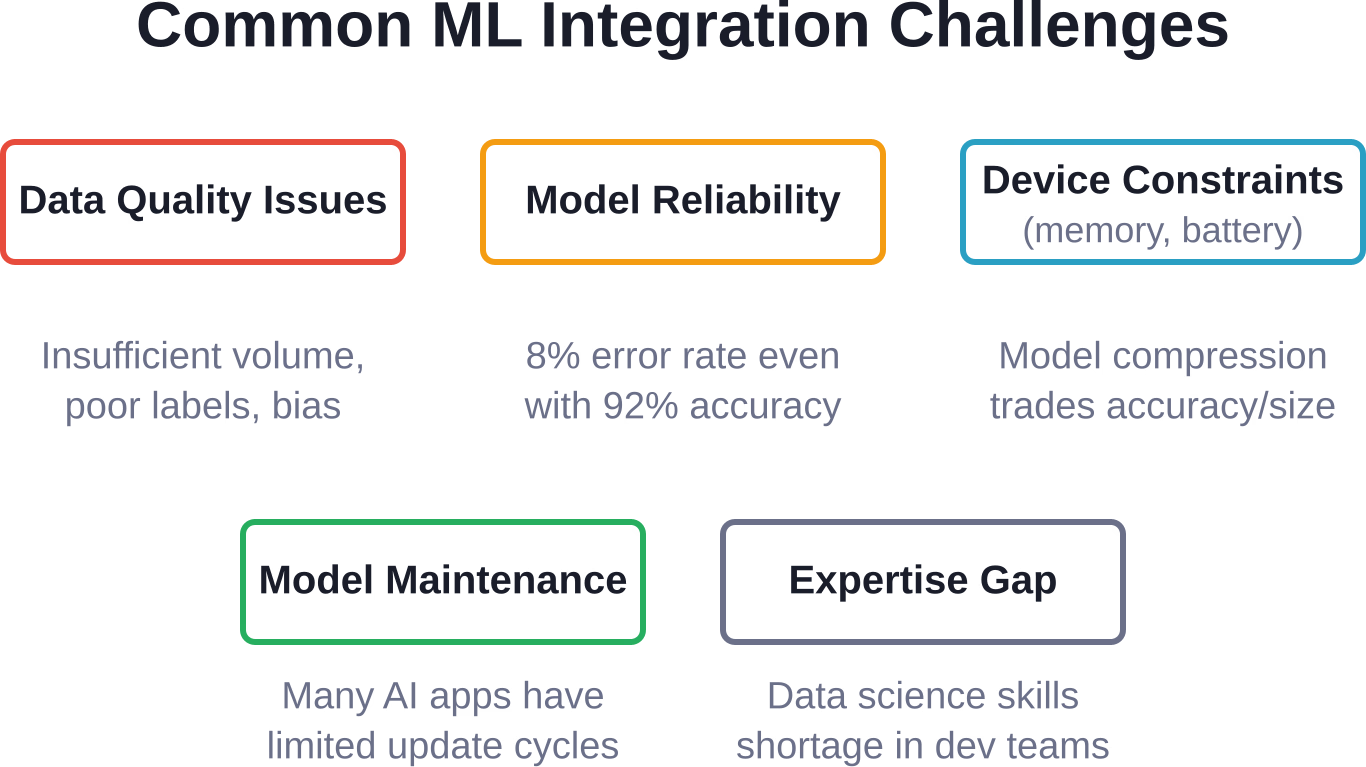
التحديات في تطوير تطبيقات التعلم الآلي
يُضيف دمج التعلم الآلي تعقيداً يتجاوز تطوير التطبيقات التقليدي، حيث تظهر العديد من التحديات باستمرار.
جودة البيانات وتوافرها
لا تتجاوز جودة نماذج التعلم الآلي جودة بيانات التدريب المستخدمة. فنقص حجم البيانات، أو سوء تصنيفها، أو تحيز العينات، كلها عوامل تؤدي إلى تنبؤات غير دقيقة.
يتطلب جمع بيانات تدريبية عالية الجودة وقتاً وموارد. وتقيّد لوائح الخصوصية كيفية جمع التطبيقات للبيانات الشخصية واستخدامها، مما يحدّ من أمثلة التدريب المتاحة.
دقة النموذج وموثوقيته
تُقدّم نماذج التعلّم الآلي تنبؤات احتمالية، لا مخرجات حتمية. حتى النماذج عالية الدقة تفشل في الحالات الشاذة أو المدخلات غير المعتادة.
على الرغم من أن نموذج تحليل المشاعر LSTM يحقق دقة اختبار تبلغ 92%، إلا أنه لا يزال يصنف 8% من التقييمات بشكل خاطئ. تحتاج التطبيقات إلى معالجة سلسة للأخطاء عند حدوث تنبؤات خاطئة.
قيود الجهاز
تتمتع الأجهزة المحمولة بذاكرة محدودة، وقدرة معالجة محدودة، وعمر بطارية قصير. أما الطرازات الكبيرة التي تعمل بشكل جيد على الخوادم، فتواجه صعوبة في العمل على الهواتف.
تساعد تقنيات ضغط النماذج، لكنها تُضحي بالدقة مقابل الحجم. ويتطلب إيجاد التوازن الأمثل بين قدرة النموذج واستخدام الموارد تحسينًا دقيقًا.
تحديث النماذج
يتغير سلوك المستخدم بمرور الوقت. وتصبح النماذج المدربة على البيانات التاريخية أقل دقة تدريجياً مع تغير الأنماط.
تشير الدراسات إلى أن العديد من تطبيقات الهاتف المحمول المدعومة بالذكاء الاصطناعي تعاني من دورات تحديث محدودة، مما يُنذر بتحديات في صيانتها. تحتاج هذه التطبيقات إلى آليات لإعادة تدريب النماذج باستخدام بيانات جديدة ونشر التحديثات.
متطلبات الخبرة
يتطلب تطوير التعلم الآلي مهارات في علم البيانات تفتقر إليها العديد من فرق التطوير. ويؤدي توظيف متخصصين في التعلم الآلي أو تدريب الموظفين الحاليين إلى زيادة التكاليف والوقت.
قد يكون التعاون متعدد الوظائف بين علماء البيانات ومهندسي البرمجيات أمراً صعباً عندما تتحدث الفرق لغات تقنية مختلفة.
أفضل الممارسات لدمج التعلم الآلي بنجاح
تساهم بعض الأساليب بشكل مستمر في تحسين نتائج تطوير تطبيقات التعلم الآلي.
ابدأ بنموذج قابل للتطبيق بأقل جهد
قم ببناء أبسط نموذج يثبت نجاح الفكرة. غالبًا ما يتفوق مصنف الانحدار اللوجستي الأساسي على عدم استخدام أي تعلم آلي على الإطلاق، كما أن طرح منتج عملي أفضل من انتظار شهور للحصول على شبكة عصبية مثالية.
انطلق من هناك. اجمع بيانات المستخدمين الحقيقية، وقم بقياس الأداء، وقم بتحسين النموذج تدريجياً بناءً على أنماط الاستخدام الفعلية.
أعطِ الأولوية للتعلم الآلي على الجهاز كلما أمكن ذلك
يوفر الاستدلال على الجهاز أوقات استجابة أسرع، ويعمل دون اتصال بالإنترنت، ويحمي خصوصية المستخدم. ويُظهر إطار عمل نماذج المؤسسة من Apple أن ميزات التعلم الآلي القوية تعمل دون اتصال بالإنترنت.
يُمكّن ExecuTorch من النشر على الأجهزة المختلفة، بدءًا من الهواتف المتطورة وصولًا إلى الأنظمة المدمجة. يوفر وقت التشغيل الخفيف تسريعًا كاملًا للأجهزة مع تقليل استهلاك الموارد إلى أدنى حد.
بناء خطوط بيانات قوية
تُقلل عمليات جمع البيانات وتنظيفها وتصنيفها الآلية من العمل اليدوي وتُحسّن الاتساق. وتُظهر عمليات المعالجة المسبقة لتحليل المشاعر، التي تجمع بين طي الأحرف الكبيرة والصغيرة، وإزالة التشويش، وتصفية الكلمات الشائعة، والتحليل الصرفي، إعدادًا منهجيًا للبيانات.
يساعد التحكم في إصدارات مجموعات البيانات على تتبع البيانات التي تم تدريب أي نموذج عليها، وهو أمر ضروري لتصحيح الأخطاء والامتثال.
مراقبة أداء النموذج في الإنتاج
تتبع مقاييس الدقة، وزمن استجابة الاستدلال، واستخدام الموارد في عمليات النشر الحقيقية. قد تتصرف النماذج التي حققت أداءً جيدًا في الاختبار بشكل مختلف مع بيانات المستخدم الحقيقية.
قم بإعداد تنبيهات لتدهور الأداء. إذا انخفضت دقة التنبؤ عن الحدود المحددة، فتحقق مما إذا كان انحراف البيانات أو الحالات الشاذة هي سبب المشاكل.
خطة لتحديثات النموذج
صمم تطبيقات تتيح تنزيل النماذج المحدثة والتبديل إليها دون الحاجة إلى تحديثات كاملة للتطبيق. تتيح لك تحديثات النماذج عبر الهواء تحسين أداء التعلم الآلي دون المرور بعمليات مراجعة متجر التطبيقات.
الحفاظ على التوافق مع الإصدارات السابقة. يجب أن يستمر المستخدمون الذين يستخدمون إصدارات أقدم من التطبيق في العمل حتى لو لم يكن لديهم أحدث إصدار.
التعامل مع الإخفاقات بروح رياضية
قد تكون تنبؤات التعلم الآلي خاطئة أحيانًا. لذا، ينبغي أن توفر التطبيقات آلية احتياطية عندما تكون الثقة منخفضة أو تبدو التنبؤات غير منطقية.
اسمح للمستخدمين بتصحيح الأخطاء. إذا صنّف مصنّف المشاعر التعليقات بشكل خاطئ، فاسمح بالتجاوز اليدوي، واستخدم هذا التصحيح لتحسين التدريب المستقبلي.
الاتجاهات الناشئة في تطوير تطبيقات التعلم الآلي
يستمر المشهد في التطور مع ظهور قدرات وأطر عمل جديدة.
النماذج الأساسية والذكاء الاصطناعي التوليدي
يُتيح إطار عمل نماذج الأساس من Apple الوصول المباشر إلى نماذج الأساس الموجودة على الجهاز، مما يُمكّن من إنشاء ميزات توليدية ببضعة أسطر من التعليمات البرمجية فقط. وهذا يُسهّل الوصول إلى إمكانيات التعلم الآلي المتقدمة التي كانت تتطلب سابقًا بنية تحتية واسعة النطاق.
تستفيد نماذج اللغة الكبيرة ونماذج الانتشار من تقنيات ضغط الوزن الجديدة في أدوات التعلم الآلي الأساسية، مما يجعلها عملية للنشر على الأجهزة المحمولة.
التعلم الموحد
يُدرّب التعلم الموحد النماذج عبر أجهزة لا مركزية دون جمع البيانات الأولية مركزياً. يُحسّن هذا النهج الخصوصية، حيث تبقى بيانات المستخدم على الأجهزة بينما تتراكم تحسينات النموذج عبر قاعدة المستخدمين.
هذا الأمر مهم بالنسبة للتطبيقات التي تتعامل مع معلومات حساسة مثل البيانات الصحية أو السجلات المالية، حيث يثير جمع البيانات المركزي مخاوف تتعلق بالخصوصية.
التعلم الآلي التلقائي والتعلم الآلي منخفض التعليمات البرمجية
تختار أدوات التعلم الآلي المؤتمتة الخوارزميات، وتضبط المعلمات الفائقة، وتحسن النماذج بأقل قدر من التدخل اليدوي. ويُعدّ Create ML من Apple مثالاً على هذا التوجه، إذ يتيح للمطورين تدريب النماذج من خلال واجهات مرئية دون الحاجة إلى خبرة متعمقة في مجال التعلم الآلي.
تعمل هذه الأدوات على تقليل عوائق الدخول، مما يسمح للفرق الأصغر بإضافة قدرات التعلم الآلي دون الحاجة إلى توظيف متخصصين في علوم البيانات.
تسريع الذكاء الاصطناعي على الحافة
تعمل المكونات المادية المتخصصة، مثل وحدات المعالجة العصبية (NPUs) ومعالجات الإشارات الرقمية (DSPs)، على تسريع عملية استنتاج التعلم الآلي على الأجهزة المحمولة. ويستفيد برنامج ExecuTorch من هذا التنوع في المكونات المادية لتحسين الأداء عبر مختلف بنى الشرائح.
يُتيح هذا التطور في الأجهزة إمكانية استخدام نماذج أكثر تعقيدًا على الأجهزة. فما كان يتطلب معالجة سحابية قبل بضع سنوات، أصبح الآن يُنفذ محليًا على الهواتف.
أطر عمل التعلم الآلي متعددة المنصات
تُمكّن أُطر عمل مثل ExecuTorch وTensorFlow Lite من نشر النموذج نفسه عبر أنظمة iOS وAndroid والأنظمة المدمجة. وهذا يُقلل من جهد التطوير - التدريب مرة واحدة، والنشر في كل مكان.
يُظهر نجاح عملية التجميع 98% في توليد واجهة المستخدم الآلية من DeclarUI أن الأدوات تستمر في تحسين إنتاجية المطورين عبر سير عمل تطوير تطبيقات التعلم الآلي بالكامل.
الأسئلة الشائعة
ما هي البيانات الدنيا المطلوبة لتدريب نموذج تعلم آلي لتطبيق ما؟
يعتمد ذلك على مدى تعقيد المشكلة، ولكن بشكل عام، تتطلب مهام التعلم الخاضع للإشراف آلاف الأمثلة المصنفة. قد يكفي 1000 إلى 5000 مثال للتصنيف البسيط. أما المهام المعقدة، مثل التعرف على الصور، فتحتاج عادةً إلى أكثر من 10000 عينة. استخدمت أبحاث تحليل المشاعر مجموعات بيانات أنتجت فيها المعالجة المسبقة تسلسلات مكونة من 100 كلمة، وحققت النماذج دقة 92% على بيانات المراجعات المصنفة بشكل صحيح.
كم من الوقت يستغرق بناء تطبيق مدعوم بتقنية التعلم الآلي؟
يستغرق تطوير تطبيق أساسي للتعلم الآلي من 3 إلى 6 أشهر، بدءًا من الفكرة وحتى الإطلاق، بما في ذلك من أسبوعين إلى 4 أسابيع للتخطيط، ومن 4 إلى 8 أسابيع لمعالجة البيانات وتدريب النموذج، ومن 6 إلى 12 أسبوعًا لتطوير التطبيق ودمجه. أما التطبيقات المعقدة التي تتضمن ميزات متعددة للتعلم الآلي أو نماذج مخصصة، فقد تستغرق من 6 إلى 12 شهرًا. وقد أظهرت أبحاث DeclarUI أن توليد واجهة المستخدم تلقائيًا يُسرّع عملية التطوير، محققًا معدلات نجاح في التجميع بلغت 98% على منصة React Native.
هل ينبغي أن تتم معالجة التعلم الآلي على الجهاز أم في السحابة؟
توفر المعالجة على الجهاز استجابة أسرع، ووظائف تعمل دون اتصال بالإنترنت، وخصوصية أفضل، لكنها تحدّ من تعقيد النموذج بسبب قيود الأجهزة. تُمكّن المعالجة السحابية من إنشاء نماذج أكثر قوة وتحديثات مركزية، لكنها تتطلب اتصالاً بالإنترنت وتُضيف زمن استجابة. تستخدم العديد من التطبيقات أساليب هجينة - استدلال بسيط على الجهاز، ومهام معقدة في السحابة. يُحسّن كل من Core ML وExecuTorch من Apple النشر على الجهاز، بينما يدعم TensorFlow Lite كلا الخيارين.
ما هو السبب الرئيسي لفشل مشاريع تطبيقات التعلم الآلي؟
تُعدّ رداءة جودة البيانات سببًا رئيسيًا للفشل، يفوق أي مشكلة تقنية. فالنماذج المُدرَّبة على بيانات غير كافية أو متحيزة أو مُصنَّفة بشكل خاطئ لن تُحقق أداءً جيدًا، بغض النظر عن مدى تطور الخوارزمية. أما ثاني أكثر أسباب الفشل شيوعًا فهو تباين التوقعات، حيث يتوقع أصحاب المصلحة دقةً مثالية، بينما حتى دقة 92% تعني معدلات خطأ 8%. ويُمكن تجنب هذه المشكلات بالبدء بمتطلبات واضحة وأهداف دقة واقعية.
كم مرة تحتاج نماذج التعلم الآلي في التطبيقات إلى إعادة التدريب؟
يختلف الأمر باختلاف التطبيق. قد تعمل النماذج التي تتنبأ بأنماط ثابتة لعدة أشهر دون تحديثات. أما النماذج التي تتعرض لتغيرات في سلوك المستخدم أو أنماط موسمية، فتحتاج إلى إعادة تدريب بشكل متكرر، ربما شهريًا أو ربع سنويًا. راقب دقة الإنتاج وأعد التدريب عندما يتدهور الأداء إلى ما دون الحدود المقبولة.
ماذا تعني دقة 92% فعلياً لتجربة المستخدم؟
نموذج بدقة 92% يتنبأ بشكل صحيح بـ 92 حالة من أصل 100، ولكنه يفشل في 8 حالات. في أبحاث تحليل المشاعر، تحقيق دقة اختبار 92% يعني أن ما يقارب 1 من كل 12 تقييمًا تم تصنيفه بشكل خاطئ. يعتمد مدى قبول ذلك على عواقب الأخطاء. قد يزعج تصنيف المشاعر بشكل خاطئ المستخدمين؛ وقد تكون الحالات الطبية التي تم تشخيصها بشكل خاطئ خطيرة. لذا، يجب مراعاة الدقة في سياق تأثير الأخطاء على المستخدمين.
بناء تطبيقات ذكية تعمل بالفعل
يُحدث التعلّم الآلي نقلة نوعية في وظائف التطبيقات، بدءًا من التوصيات الشخصية التي تُسهم في زيادة مبيعات التجارة الإلكترونية بنسبة 40%، وصولًا إلى مُصنّفات المشاعر التي تُحقق دقة تصل إلى 92% على بيانات العالم الحقيقي. وتُشير الأدلة البحثية بوضوح إلى أن قدرات الذكاء الاصطناعي قد انتقلت من مرحلة التجريب إلى مرحلة التطبيق العملي.
لكن التكامل الناجح للتعلم الآلي يتطلب أكثر من مجرد إضافة نموذج إلى قاعدة التعليمات البرمجية. فجودة البيانات تحدد النتائج أكثر من اختيار الخوارزمية. تتولى أطر العمل مثل Core ML وExecuTorch وTensorFlow Lite الجزء الأكبر من العمل، لكن لا يزال يتعين على الفرق فهم مسارات البيانات، وتقييم النماذج، والتعامل السلس مع حالات الفشل.
تتطلب تطبيقات التعلم الآلي الإنتاجية عادةً استثمارًا كبيرًا في مجالات التخطيط، ومعالجة البيانات، والتطوير، والبنية التحتية. ويكون هذا الاستثمار منطقيًا عندما تُحسّن ميزات التعلم الآلي تجربة المستخدم أو مؤشرات الأداء الرئيسية للأعمال بشكل مباشر، مثل التخصيص الذي يزيد المبيعات، والتنبؤات التي توفر الوقت، أو الأتمتة التي تقلل التكاليف التشغيلية.
ابدأ بنموذج بسيط قابل للتطبيق. استخدم النماذج المدربة مسبقًا والأطر البرمجية الموجودة كلما أمكن. راقب الأداء في بيئة الإنتاج، وقم بالتحسين بناءً على الاستخدام الفعلي. وتذكر أن نجاح تجميع 98% ودقة تنبؤ 92% لا يزالان يعنيان أن الأخطاء واردة - لذا ابنِ تطبيقات تتعامل مع الأخطاء بسلاسة.