ملخص سريع: يُحدث التعلّم الآلي ثورةً في البحوث الاقتصادية من خلال تحسين التنبؤات والاستدلال السببي وتحسين السياسات. ووفقًا للمكتب الوطني للبحوث الاقتصادية، تُمكّن أساليب التعلّم الآلي الاقتصاديين الآن من التنبؤ الفوري بنمو الناتج المحلي الإجمالي، وتحسين المحافظ الاستثمارية، ودمج توقعات الاستطلاعات بدقة غير مسبوقة. وتشير بيانات الاحتياطي الفيدرالي، التي وردت في خطابات عام 2026، إلى أن نسبة كبيرة من الشركات الأمريكية تستخدم الذكاء الاصطناعي في وظائفها التجارية، بينما أفادت وزارة الخزانة الأمريكية بأن عمليات الكشف المُحسّنة عن الاحتيال، بما في ذلك الذكاء الاصطناعي القائم على التعلّم الآلي، قد منعت واستردت أكثر من 1.4 تريليون دولار في السنة المالية 2024.
لقد تحوّل التقاطع بين التعلّم الآلي والاقتصاد من مجرد فضول تجريبي إلى ضرورة عملية. تتزايد البيانات الاقتصادية تعقيدًا ووفرةً يومًا بعد يوم، بينما تكافح الأساليب الاقتصادية القياسية التقليدية لمواكبة هذا التطور. توفر تقنيات التعلّم الآلي للاقتصاديين أدوات جديدة للتنبؤ، واكتشاف العلاقات السببية، وتقييم السياسات، وهي أدوات لم تكن متاحة حتى قبل خمس سنوات.
لكن الأمر المهم هو أن التعلم الآلي لا يحل محل الاقتصاد التقليدي، بل يكمله.
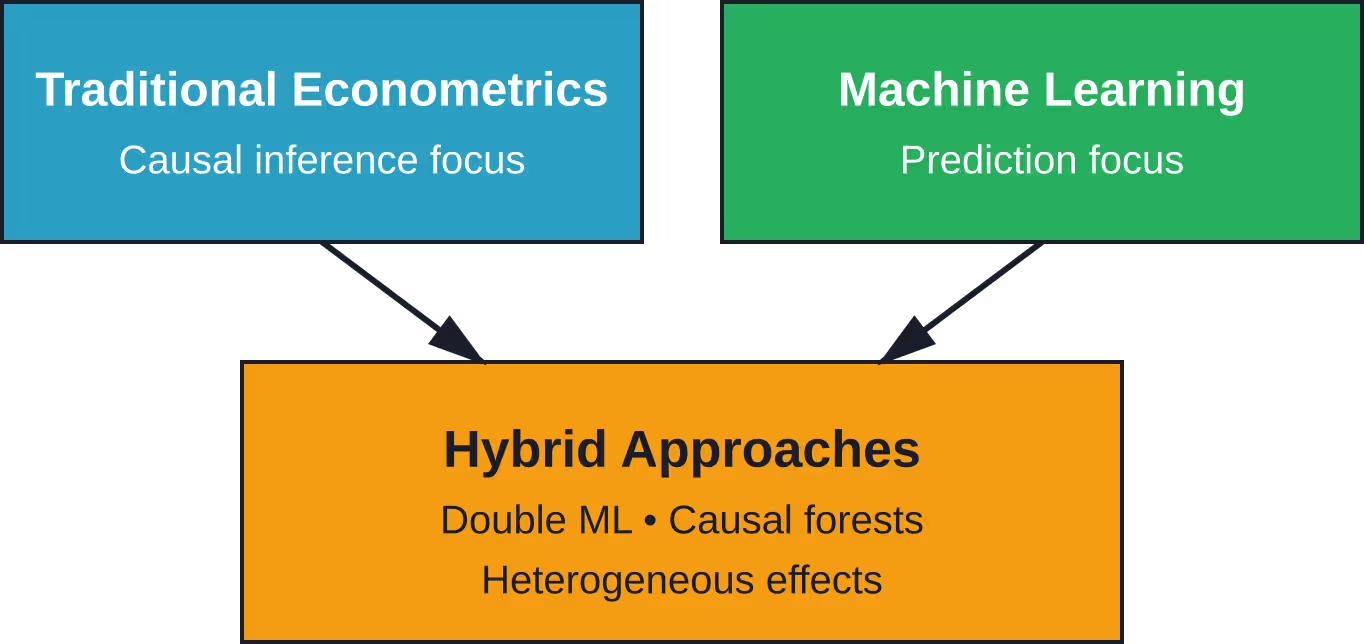
يكمن الفرق الجوهري في الغاية. يركز علم الاقتصاد القياسي التقليدي بشكل أساسي على الاستدلال السببي والتحقق النظري. بينما يتفوق التعلم الآلي في التنبؤ والتعرف على الأنماط ضمن مجموعات البيانات الضخمة. وعند دمج هذين النهجين بشكل مدروس، فإنهما يكشفان عن رؤى لا يمكن لأي منهما تحقيقها بمفرده.
التطبيقات الأساسية التي تعيد تشكيل البحوث الاقتصادية
لقد برزت تقنيات التعلم الآلي في ثلاثة مجالات رئيسية حيث أثبتت مساهماتها أهميتها القصوى: التنبؤ الآني والتنبؤ المستقبلي، وتعزيز الاستدلال السببي، وتحسين السياسات. ويعالج كل مجال من هذه المجالات تحديات قائمة منذ زمن طويل حدّت من فعالية الأساليب التقليدية.
التنبؤ الفوري بالمؤشرات الاقتصادية
تصل تقديرات الناتج المحلي الإجمالي التقليدية متأخرة بشكل ملحوظ، غالباً بعد أسابيع أو أشهر من انتهاء الفترة. هذا التأخير يعيق صانعي السياسات الذين يحتاجون إلى تقييمات فورية أثناء الأزمات أو التحولات السريعة.
يناقش منشور صادر عن صندوق النقد الدولي بتاريخ 30 يناير 2026 التنبؤ الفوري بالنمو الاقتصادي باستخدام التعلم الآلي وبيانات الأقمار الصناعية. ويُعدّ هذا النهج ذا قيمة خاصة للاقتصادات التي تعاني من نقص كبير في البيانات أو بنية تحتية غير موثوقة لإعداد التقارير.
وبالمثل، فحص بحثٌ أجراه المكتب الوطني للبحوث الاقتصادية (NBER) في يونيو 2023 التجارة العالمية باستخدام أساليب قائمة على الأشجار. وقارنت الدراسة بين الغابات العشوائية والتعزيز التدرجي ونظيراتها القائمة على الانحدار - الغابات العشوائية الاقتصادية الكلية والتعزيز الخطي التدرجي. وخلصت الدراسة إلى أن الأساليب القائمة على الانحدار (الغابات العشوائية الاقتصادية الكلية والتعزيز الخطي التدرجي) تفوقت على كلٍ من الأساليب القائمة على الأشجار والأساليب التقليدية عند التعامل مع مجموعات المتغيرات التنبؤية عالية الأبعاد.
أظهرت دراسة أجراها صندوق النقد الدولي حول التنبؤ بالتضخم الأساسي في اليابان أن نموذج الانحدار الخطي (LASSO) حقق متوسط الجذر التربيعي للخطأ (RMSE) قدره 5.74، متفوقًا بذلك بشكل ملحوظ على نموذجي Ridge (6.22) وElastic Net (7.7). ويكتسب هذا الأمر أهمية خاصة نظرًا لأن اليابان مثّلت بيئة تنبؤ بالغة الصعوبة، حيث ظل التضخم منخفضًا لعقود قبل أن يرتفع إلى أعلى مستوياته في أربعة عقود عام 2022.
تحسين اختيار المحفظة الاستثمارية
يتحدى بحثٌ أجراه المكتب الوطني للبحوث الاقتصادية (NBER) ونُشر في فبراير 2026 افتراضاً أساسياً في مجال التمويل: وهو النهج ذو المرحلتين لاختيار المحفظة الاستثمارية. فتقليدياً، يتوقع المحللون أولاً عوائد الأصول، ثم يُدخلون تلك التوقعات في برنامج تحسين الأداء. يبدو هذا منطقياً، أليس كذلك؟
تكمن المشكلة في أن هذا الفصل يعامل أخطاء التنبؤ القطاعية على أنها متساوية الأهمية في جميع الأوراق المالية. يقدم التعلم الآلي بديلاً يتمثل في التحسين الشامل الذي يتعلم التنبؤات وأوزان المحفظة معًا، مع إعطاء الأولوية للدقة حيثما تكون أكثر أهمية للتخصيص النهائي.
مزيج توقعات المسح
لطالما عرف الاقتصاديون أن الجمع بين عدة توقعات يتفوق عادةً على التوقعات الفردية. ولكن ما هي التوقعات التي ينبغي تضمينها؟ وكيف ينبغي ترجيحها؟
قدّم بحثٌ أجراه المكتب الوطني للبحوث الاقتصادية في أغسطس 2018 أسلوب "لاسو شبه المتساوي" لدمج تنبؤات الاستطلاعات المنتظمة. يُضمّن هذا الأسلوب المتنبئين بشكل انتقائي مع تجنّب التجاوز في التوفيق، وهو تحدٍّ مستمر عند دمج استجابات استطلاعات عديدة. ويُقرّ هذا النهج بأنّ زيادة البيانات لا تعني بالضرورة تنبؤات أفضل؛ فالاختيار الدقيق أمرٌ بالغ الأهمية.

تطبيق التعلم الآلي على التحليل الاقتصادي باستخدام AI Superior
غالباً ما يعتمد التحليل الاقتصادي على مجموعات البيانات واسعة النطاق، ونماذج التنبؤ، ومؤشرات السوق، والتقييم الإحصائي. AI Superior يدعم المنظمات وفرق البحث التي تستخدم التعلم الآلي لتحسين سير العمل التحليلي والنمذجة التنبؤية في المشاريع المتعلقة بالاقتصاد.
تشمل خدماتهم الاستشارات في مجال الذكاء الاصطناعي، وعلم البيانات، وهندسة التعلم الآلي، وتطوير برامج الذكاء الاصطناعي، وتنفيذ إثبات المفهوم.
بإمكان شركة AI Superior مساعدة المشاريع الاقتصادية في:
- هيكلة وتقييم مجموعات البيانات الاقتصادية
- تطوير نماذج التنبؤ والتوقع
- بناء أنظمة تحليلية لإثبات المفهوم
- الكشف عن الاتجاهات والشذوذات في البيانات المالية
- التحقق من صحة أداء النموذج مقابل الأنماط التاريخية
- دعم التكامل مع منصات إعداد التقارير أو التحليلات
بالنسبة للتطبيقات الاقتصادية، قد يشمل ذلك التنبؤ بالسوق، وتحليل الاتجاهات الاقتصادية، ونمذجة المخاطر، والتحليل الإحصائي، ودعم البحوث المتعلقة بالسياسات.
👉تواصل مع شركة AI Superior لمناقشة سير العمل التحليلي.
التعلم الآلي يلتقي بالاستدلال السببي
يهتم علم الاقتصاد أساساً بالعلاقة السببية، لا مجرد الارتباط. هل يؤدي رفع الحد الأدنى للأجور إلى انخفاض فرص العمل؟ هل تحفز التخفيضات الضريبية الاستثمار؟ تتطلب هذه الأسئلة إجابات سببية.
يتفوق التعلم الآلي في التنبؤ، لكنه عانى تقليديًا من صعوبة إثبات العلاقات السببية. شهد العقد الماضي طفرة في الأبحاث التي تسد هذه الفجوة. تبرز ثلاثة تطبيقات رئيسية: تقدير الدوال المزعجة، والكشف عن تأثيرات العلاج غير المتجانسة، واختيار الأدوات بناءً على البيانات.
تقدير دالة الإزعاج
تتطلب العديد من أدوات تقدير الاستدلال السببي نمذجة "دوال الإزعاج" - مثل درجات الميل، ومتوسطات النتائج المشروطة، أو المخاطر الأساسية. لا تُعد هذه الدوال هي الأهداف الرئيسية للدراسة، ولكن التقدير الدقيق لها يُعد أمرًا بالغ الأهمية لاستنتاج صحيح حول التأثيرات السببية.
تُجيد خوارزميات التعلّم الآلي التعامل مع هذه المهمة. فهي تُقارب بمرونة الأشكال الوظيفية المعقدة دون الحاجة إلى تحديد كل تفاعل أو علاقة غير خطية يدويًا. وتجمع أساليب مثل التعلّم الآلي المزدوج بين القدرة التنبؤية للتعلّم الآلي وتركيز النظرية الاقتصادية القياسية على الاستدلال الإحصائي الصحيح.
تأثيرات علاجية غير متجانسة
هل تُجدي السياسة نفعاً متساوياً للجميع؟ على الأرجح لا. فغالباً ما تختلف آثار العلاج اختلافاً كبيراً بين الأفراد أو السياقات. ويُمكّن التعلّم الآلي من اكتشاف هذه الأنماط دون تحديد مسبق للخصائص التي تُسبب هذا التباين.
تُقسّم الغابات السببية والأساليب ذات الصلة السكان إلى مجموعات فرعية ذات تأثيرات علاجية مختلفة. وهذا أمر بالغ الأهمية في تصميم السياسات، إذ يُتيح فهم من يستفيد أكثر من التدخل تحسين الاستهداف وتخصيص الموارد.
تطبيقات السياسات في العالم الحقيقي
لا قيمة تُذكر للنظرية دون تطبيق عملي. وقد حقق التعلم الآلي نتائج ملموسة في مجالات سياسية متعددة، بدءًا من كشف الاحتيال وصولًا إلى تحليل سوق العمل.
منع الاحتيال على نطاق واسع
أفادت وزارة الخزانة الأمريكية بأن عمليات الكشف عن الاحتيال المحسّنة، بما في ذلك الذكاء الاصطناعي القائم على التعلم الآلي، قد منعت واستردت أكثر من 1 تريليون و4 تريليونات دولار في السنة المالية 2024.
انظر إلى نطاق القضية: من فبراير إلى أغسطس 2023، تم تقديم أكثر من 15,000 بلاغ عن تزوير الشيكات، بقيمة معاملات بلغت 1.7 مليار دولار أمريكي. وقد واجهت الأنظمة التقليدية القائمة على القواعد صعوبة في تحديد المخططات المعقدة بالسرعة الكافية. أما نماذج التعلم الآلي، فتكتشف الأنماط الشاذة في الوقت الفعلي، وتُشير إلى المعاملات المشبوهة قبل إتمام عملية صرف الأموال.
توقعات سوق العمل
أكدت خطابات مجلس الاحتياطي الفيدرالي طوال عام 2025 وأوائل عام 2026 مرارًا وتكرارًا على تأثير الذكاء الاصطناعي على التوظيف. وأشار الحاكم كوك إلى أن 60% من المهن الموجودة اليوم لم تكن موجودة في عام 1940. وتتسارع وتيرة التغير المهني.
تساعد تقنيات التعلم الآلي في التنبؤ بهذه التحولات من خلال تحليل إعلانات الوظائف، والطلب على المهارات، واتجاهات الأجور، ومدى قابلية الأنظمة للأتمتة. وتُسهم هذه التنبؤات في توجيه سياسات تنمية القوى العاملة وتخطيط التعليم.
اتجاهات تبني الأعمال
بحسب بيانات الاحتياطي الفيدرالي التي وردت في خطابات عام 2026، تستخدم نسبة كبيرة من الشركات الأمريكية الذكاء الاصطناعي في وظائفها التجارية. ويمثل هذا نموًا ملحوظًا مقارنةً بالسنوات السابقة، إلا أن العديد من الشركات لا تزال في مراحل التبني المبكرة. ويعكس نمط التبني هذا الانتشار التاريخي للتكنولوجيا.
أشار الحاكم والر في خطاب ألقاه في أكتوبر 2025 إلى أوجه تشابه مع عملية التحول إلى الكهرباء: فبحلول عام 1920، كان نصف المنازل موصولاً بالكهرباء؛ وبحلول عام 1945، كانت 85% موصولة بالكهرباء. واتبع استخدام السيارات مسارات مماثلة. ومن المرجح أن يتبع تبني الذكاء الاصطناعي نمط منحنى S هذا - انتشار بطيء في البداية، ثم تسارع سريع، ثم تشبع.
| التطبيق الاقتصادي | طريقة التعلم الآلي | الميزة الرئيسية |
|---|---|---|
| التنبؤات الآنية للناتج المحلي الإجمالي | الغابة العشوائية | يتعامل مع بيانات الأقمار الصناعية والقيم المفقودة |
| التنبؤ بالتضخم | انحدار لاسو | اختيار المتغيرات مع التنظيم |
| تحسين المحفظة الاستثمارية | التعلم الشامل | يعمل بشكل مشترك على تحسين التنبؤ والتخصيص |
| الكشف عن الغش | إكتشاف عيب خلقي | التعرف على الأنماط في الوقت الحقيقي على نطاق واسع |
| التأثيرات السببية | الغابات السببية | يكشف عن تأثيرات علاجية غير متجانسة |
القيود والتحديات المستمرة
لا يُعدّ التعلّم الآلي حلاً سحرياً. فهناك العديد من التحديات التي لا تزال قائمة والتي تحدّ من تطبيقه في البحوث الاقتصادية والسياسات.
لا تزال قابلية التفسير تمثل إشكالية. يحتاج صناع السياسات إلى فهم سبب تقديم النموذج لتوصيات محددة، بدلاً من مجرد الثقة بتوقعات مبهمة. تساعد تقنيات مثل قيم SHAP وآليات الانتباه، لكن النظرية الاقتصادية لا تزال تقدم تفسيرات سببية أكثر وضوحًا.
قد تكون متطلبات البيانات باهظة. فالعديد من أساليب التعلم الآلي تحتاج إلى عينات كبيرة لتحقيق أداء جيد. وغالبًا ما تتضمن تطبيقات الاقتصاد الكلي سلاسل زمنية محدودة - بضعة عقود من الملاحظات الفصلية على الأكثر. هذا القيد يرجح كفة الأساليب التقليدية ذات الأسس النظرية الأقوى.
تُشكّل الانقطاعات الهيكلية تحديًا آخر. فالاقتصاد يتطور، وقد لا تستمر العلاقات التي كانت قائمة تاريخيًا. وقد واجهت نماذج التعلم الآلي المدربة على بيانات ما قبل الجائحة صعوبات جمة خلال الاضطرابات غير المسبوقة التي أحدثتها جائحة كوفيد-19. ويُساعد دمج النظرية الاقتصادية النماذج على التعميم بما يتجاوز نطاق توزيعات التدريب.
الأسئلة الشائعة
ما هي أنواع التعلم الآلي التي يستخدمها الاقتصاديون بكثرة؟
تُعدّ أساليب الانحدار المُعاقَب (LASSO، Ridge، Elastic Net)، والغابات العشوائية، وتعزيز التدرج، والشبكات العصبية من أكثر الأساليب استخدامًا. ويعتمد الاختيار على طبيعة المشكلة؛ إذ يتفوق LASSO في اختيار المتغيرات، وتتعامل أساليب الأشجار بكفاءة مع العلاقات غير الخطية، بينما تعمل الشبكات العصبية مع البيانات غير المهيكلة كالنصوص والصور.
هل يحل التعلم الآلي محل الأساليب الاقتصادية القياسية التقليدية؟
لا، التعلم الآلي يُكمّل الاقتصاد القياسي ولا يحل محله. تحتفظ الأساليب التقليدية بمزاياها في الاستدلال السببي، والتعامل مع العينات الصغيرة، والتحقق النظري. يكمن التحدي في المناهج الهجينة التي تجمع بين القدرة التنبؤية للتعلم الآلي والدقة الاقتصادية القياسية في الاستدلال السببي والاستدلال الإحصائي.
ما مدى دقة التنبؤات الاقتصادية التي تعتمد على التعلم الآلي؟
تختلف دقة التنبؤات باختلاف التطبيق والسياق. فقد وجد صندوق النقد الدولي أن نموذج LASSO حقق متوسط خطأ تربيعي جذري (RMSE) قدره 5.74 لتوقعات التضخم في اليابان، متفوقًا بذلك على البدائل. وأظهرت أبحاث المكتب الوطني للبحوث الاقتصادية أن الأساليب القائمة على الأشجار حسّنت باستمرار التنبؤات الآنية للتجارة العالمية. وتتراوح مكاسب الأداء عادةً بين 10 و30% مقارنةً بالمعايير التقليدية، على الرغم من أن النتائج تعتمد بشكل كبير على جودة البيانات واختيار النموذج.
ما هي المهارات التي يحتاجها الاقتصاديون لاستخدام التعلم الآلي؟
إتقان البرمجة (بايثون أو آر)، وفهم خوارزميات التعلم الآلي بما يتجاوز مجرد تشغيل الحزم البرمجية، ومعرفة التحقق المتبادل والتنظيم، والقدرة على تحديد متى يكون التعلم الآلي مناسبًا ومتى تكفي الأساليب التقليدية. والأهم من ذلك، يحتاج الاقتصاديون إلى التركيز على المسائل السببية والتفسير الاقتصادي إلى جانب مهارات التعلم الآلي التقنية.
هل يمكن للتعلم الآلي أن يحسن قرارات السياسة الاقتصادية؟
بالتأكيد. يُحسّن التعلّم الآلي بالفعل من كشف الاحتيال (أفادت وزارة الخزانة الأمريكية بمنع واسترداد أكثر من 1.4 مليار دولار في السنة المالية 2024)، ويعزز التوقعات التي تُستند إليها السياسة النقدية، ويُمكّن من استهداف أفضل للبرامج الاجتماعية من خلال تقدير التأثيرات المتنوعة. يكمن السر في الجمع بين تنبؤات التعلّم الآلي والتحليل الاقتصادي السليم حول السببية وآليات نقل السياسات.
ما هي أكبر مخاطر استخدام التعلم الآلي في الاقتصاد؟
يُعدّ التخصيص الزائد وضعف التعميم من أبرز المشاكل التي تواجه النماذج، حيث تتطابق هذه النماذج تمامًا مع بيانات التدريب، لكنها تفشل في التعامل مع البيانات الجديدة. ويؤدي الخلط بين التنبؤ والسببية إلى مخاطر جسيمة على السياسات. كما يمكن أن يؤدي التحيز الخوارزمي إلى استمرار أو تفاقم أوجه عدم المساواة القائمة. ويجعل غياب قابلية التفسير من الصعب التدقيق في قرارات النموذج أو فهم أسباب الفشل عند حدوثها.
كيف يُغيّر التعلّم الآلي التعاون في مجال البحوث الاقتصادية؟
تتطلب فرق البحث بشكل متزايد مهارات متنوعة، تشمل النظرية الاقتصادية، والأساليب الاقتصادية القياسية، والمهارات الحاسوبية، والخبرة المتخصصة. ويتزايد التعاون بين الاقتصاديين وعلماء الحاسوب. وأصبح تبادل البيانات والبرمجيات ممارسة شائعة، مما يُحسّن من إمكانية تكرار النتائج وشفافيتها. وتُعيد الأدوات نفسها (مثل GitHub، والحوسبة السحابية، وحزم البرامج مفتوحة المصدر) تشكيل كيفية إجراء البحوث ونشرها.
نظرة مستقبلية
يتسارع دمج التعلم الآلي في علم الاقتصاد، ولا يتوقف عند حد معين. وبحلول أوائل عام 2026، وصل هذا المجال إلى نقطة تحول حيث أصبحت الأساليب الهجينة التي تجمع بين التعلم الآلي والنظرية الاقتصادية القياسية ممارسة معيارية وليست مجرد ابتكار رائد.
تتطور القدرة الحاسوبية باستمرار، ويتسع نطاق الوصول إلى مصادر البيانات الجديدة - كصور الأقمار الصناعية، ومعاملات بطاقات الائتمان، ونشاط وسائل التواصل الاجتماعي - بشكل متواصل. وتتوالى الابتكارات الخوارزمية بثبات. لكن الأسئلة الاقتصادية الأساسية تبقى دون تغيير: ما الذي يسبب ماذا؟ كيف ينبغي لنا تخصيص الموارد الشحيحة؟ ما هي السياسات التي تُحسّن الرفاه؟
يُوفّر التعلّم الآلي أدوات جديدة فعّالة لمعالجة هذه الأسئلة الأزلية. لن يحلّ محلّ التفكير الاقتصادي، لكنّه يُحدث بالفعل تحوّلاً جذرياً في كيفية توليد الاقتصاديين للرؤى، واختبار النظريات، وتوجيه قرارات السياسة العامة. الاقتصاديون الذين سيُحققون النجاح في السنوات القادمة هم أولئك الذين يجمعون بوعي بين هذين النهجين.