ملخص سريع: يُسهم التعلّم الآلي في الشبكات في أتمتة عمليات الشبكة المعقدة، بدءًا من إدارة حركة البيانات وصولًا إلى كشف التهديدات الأمنية. وبفضل تطبيق خوارزميات التعلّم الآلي، تستطيع الشبكات الحديثة التنبؤ بالأعطال، وتحسين التوجيه في الوقت الفعلي، واكتشاف الاختراقات بدقة تتجاوز 99%. هذا المزيج يحوّل الشبكات من بنية تحتية ثابتة إلى أنظمة ذاتية التحسين تتكيف مع الظروف المتغيرة.
تُنتج الشبكات كميات هائلة من البيانات كل ثانية. وتتغير أنماط حركة البيانات، وتتطور الهجمات، وتحدث الأعطال دون سابق إنذار.
لا تستطيع الأنظمة التقليدية القائمة على القواعد مواكبة التطورات. فهي تتفاعل مع المشاكل بعد وقوع الضرر. أما التعلم الآلي فيغير هذه المعادلة تماماً.
تحلل خوارزميات التعلم الآلي بيانات الشبكة عن بُعد في الوقت الفعلي، وتكتشف أنماطًا قد يغفل عنها البشر. كما تتنبأ بالازدحام قبل أن يلاحظ المستخدمون أي تباطؤ. وتكشف الاختراقات أسرع من الأنظمة القائمة على التوقيعات. وتُحسّن قرارات التوجيه على مستوى أجزاء من الثانية.
النتائج تتحدث عن نفسها. أظهرت دراسة نُشرت عام ٢٠٢٤ أن نموذجي الغابة العشوائية والأشجار الإضافية حققا دقة بلغت ٩٩٫٥٩% و٩٩٫٩٥% على التوالي في مجموعة بيانات كشف الاختراقات UNSW-NB15. أما في مجموعة بيانات CIC-IDS2017، فقد حققت نماذج شجرة القرار والغابة العشوائية والأشجار الإضافية دقة بلغت ٩٩٫٩٩%. وفي مجموعة بيانات CIC-IDS2018، حقق نموذجا شجرة القرار والغابة العشوائية دقة بلغت ٩٩٫٩٤%.
لكن الأمر المهم هو أن التعلم الآلي ليس سحراً. فهو يتطلب البيانات الصحيحة، والتدريب المناسب، وفهم أين يضيف قيمة حقيقية مقابل أين تعمل الخوارزميات التقليدية بشكل جيد.
التطبيقات الأساسية للتعلم الآلي في الشبكات
تعالج خوارزميات التعلم الآلي مشاكل الشبكات المحددة التي تعجز عنها الأساليب التقليدية. وتشترك التطبيقات الأكثر تأثيراً في سمة واحدة: فهي تتعامل مع بيئات معقدة وديناميكية تتغير فيها الأنماط باستمرار.
تصنيف حركة مرور الشبكة
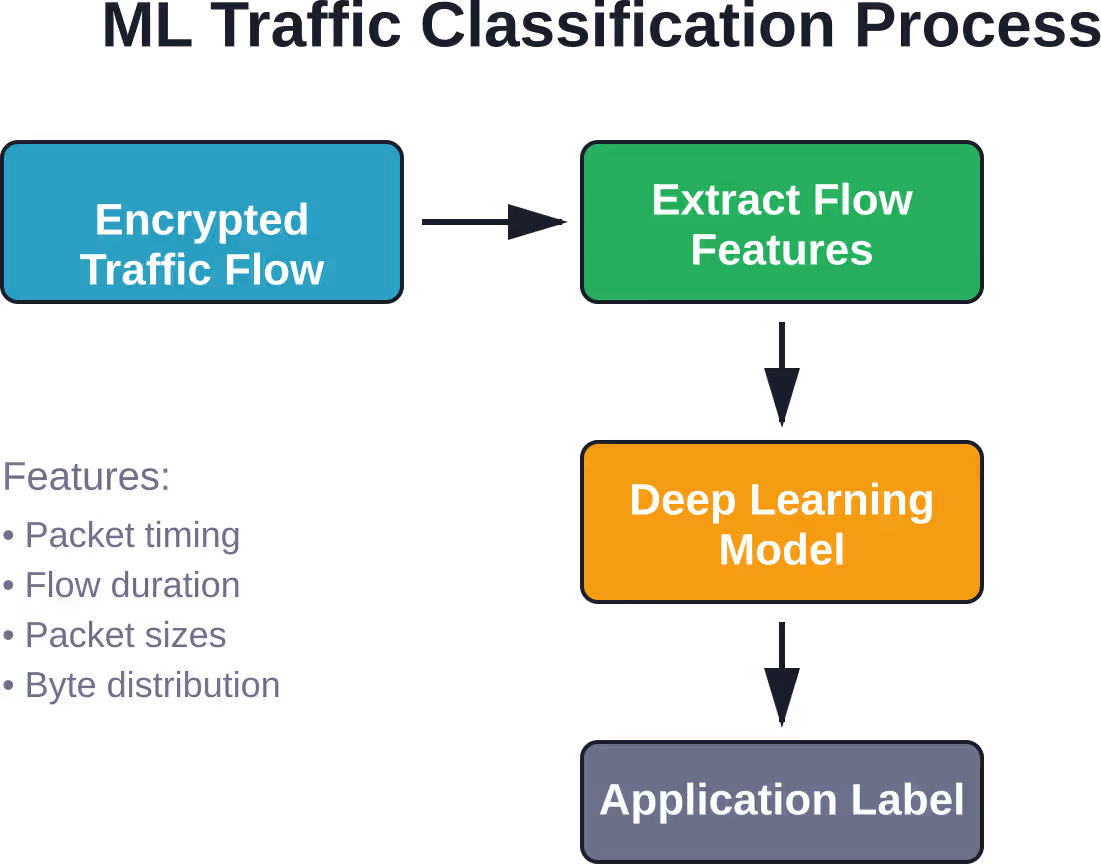
تنقل الشبكات الحديثة بيانات مشفرة من آلاف التطبيقات. ولا يمكن لتقنية فحص الحزم المتعمق رؤية ما بداخل الحزم المشفرة، لذا تفشل طرق التصنيف التقليدية.
تحلّ الشبكات العصبية للتعلم العميق هذه المشكلة من خلال تحليل خصائص تدفق البيانات بدلاً من محتويات الحزم. وتستطيع العديد من بنى التعلم العميق، بما في ذلك الشبكات العصبية الالتفافية، والمشفرات التلقائية المكدسة، والشبكات العصبية متعددة الطبقات، تصنيف تدفقات البيانات المشفرة عن طريق فحص أنماط التوقيت، وأحجام الحزم، وبيانات وصف التدفق.
ما هو الأثر العملي؟ تستطيع بوابات الإنترنت المنزلية المُعرّفة برمجياً تحديد التطبيقات التي تستهلك النطاق الترددي، حتى عندما تكون جميع البيانات مشفرة. كما يمكن لمشغلي الشبكات تطبيق سياسات جودة الخدمة دون الإخلال بالتشفير.
أنظمة كشف التسلل
تواجه أدوات أمن الشبكات سباق تسلح مستمر. فالمهاجمون يطورون باستمرار تقنيات جديدة، ولا يكشف نظام الكشف القائم على التوقيعات إلا التهديدات المعروفة.
تكتشف نماذج التعلم الآلي الحالات الشاذة من خلال تعلم شكل السلوك الطبيعي للشبكة. وعندما ينحرف تدفق البيانات عن الأنماط المتعلمة، يقوم النظام بوضع علامة عليه للتحقيق فيه.
تُعدّ أرقام الدقة المُستقاة من الأبحاث الموثوقة لافتةً للنظر. ففي عام 2024، حققت النماذج المُدرّبة على مجموعات بيانات مرجعية دقةً تتجاوز 99% باستمرار على مجموعات بيانات متعددة. فعلى سبيل المثال، حققت نماذج شجرة القرار والغابة العشوائية دقةً بلغت 99.94% على مجموعة بيانات CIC-IDS2018.
لكن الدقة المطلقة ليست كل شيء. فالإنذارات الكاذبة لها تأثير بالغ. النظام الذي يصنف حركة المرور المشروعة على أنها ضارة يُسبب إرهاقًا من كثرة التنبيهات. أفضل أساليب التعلم الآلي تجمع بين معدلات الكشف العالية ومعدلات الإنذارات الكاذبة المنخفضة باستخدام أساليب التجميع واختيار الميزات بعناية.

تطوير حلول التعلم الآلي للشبكات باستخدام AI Superior
تُنتج بيئات الشبكات الحديثة تدفقات مستمرة من البيانات من الأجهزة وحركة المرور والسجلات وأنظمة مراقبة البنية التحتية. AI Superior بإمكانهم مساعدة الفرق على تطبيق التعلم الآلي في مهام الشبكات التي تتطلب الأتمتة أو التنبؤ أو تحليل الأنماط. ويشمل عملهم الاستشارات في مجال الذكاء الاصطناعي، والتعلم الآلي، وعلم البيانات، وتطوير برمجيات الذكاء الاصطناعي، وتطوير نماذج إثبات المفهوم، وتقييم النماذج.
بإمكان شركة AI Superior مساعدة فرق الشبكات في:
- تحديد حالات استخدام التعلم الآلي المتعلقة بالشبكات
- مراجعة بيانات حركة المرور والبنية التحتية والمراقبة
- بناء نماذج إثبات المفهوم
- تطوير نماذج لتحليل حركة المرور أو اكتشاف الحالات الشاذة
- اختبار أداء النموذج في ظل ظروف العالم الحقيقي
- تخطيط التكامل مع أدوات أو أنظمة الشبكة الحالية
- دعم تطوير ونشر برامج الذكاء الاصطناعي
بالنسبة لمشاريع الشبكات، قد يشمل ذلك التنبؤ بحركة المرور، واكتشاف حالات الشذوذ في الشبكة، ومراقبة البنية التحتية، وتحسين عرض النطاق الترددي، والتشخيص الآلي.
تواصل مع شركة AI Superior لمناقشة المشروع.
تحسين الشبكة من خلال التعلم الآلي
تتضمن مشاكل التحسين في الشبكات إيجاد أفضل مسار، وتخصيص الموارد بكفاءة، أو التنبؤ باحتياجات السعة المستقبلية. يتفوق التعلم الآلي في هذه المهام لأنها تنطوي على علاقات معقدة بين متغيرات متعددة.
تخطيط القدرات والتنبؤ بها
يحتاج مشغلو الشبكات إلى التنبؤ باحتياجات النطاق الترددي المستقبلية قبل أشهر. فتوفير سعة قليلة جدًا يُؤثر سلبًا على المستخدمين، بينما توفير سعة كبيرة جدًا يُؤدي إلى هدر المال.
تحلل نماذج التنبؤ بالسلاسل الزمنية أنماط حركة المرور التاريخية للتنبؤ بالطلب المستقبلي. وتلتقط شبكات الذاكرة طويلة المدى (LSTM) الأنماط الموسمية والدورات الأسبوعية واتجاهات النمو في آن واحد.
تأخذ النماذج في الحسبان أنماط بيانات حركة المرور التاريخية، بما في ذلك التغيرات الموسمية وتحليل الاتجاهات وخصائص التدفق. وهذا يؤدي إلى اتخاذ قرارات أكثر دقة بشأن تطوير البنية التحتية وتحسين استخدام الموارد.
تحسين التوجيه وإعادة التوجيه السريع في الشبكات المعرفة بالبرمجيات
تفصل الشبكات المعرفة بالبرمجيات مستوى التحكم عن مستوى البيانات، مما يتيح فرصًا لاتخاذ قرارات توجيه ذكية. ويمكن لخوارزميات التعلم الآلي تحسين التوجيه بطرق لا تستطيع البروتوكولات التقليدية مجاراتها.
تتعلم وكلاء التعلم المعزز سياسات التوجيه المثلى من خلال التجربة والخطأ. فهم يستكشفون خيارات المسار المختلفة، ويراقبون النتائج (زمن الاستجابة، وفقدان الحزم، والإنتاجية)، ويتعلمون تدريجياً أي القرارات تُنتج أفضل النتائج.
تُظهر الأبحاث الحديثة في مجال تحسين التوجيه لشبكات البيانات المسماة في الشبكات اللاسلكية المخصصة كيف تتعامل تقنيات التعلم الآلي مع البنى الشبكية الديناميكية للغاية. فمع تحرك العقد وتغير الاتصال، يتكيف التوجيه المدعوم بالتعلم الآلي بشكل أسرع من بروتوكولات متجه المسافة أو حالة الارتباط التقليدية.
إعادة توجيه سريعة لأحمال عمل الذكاء الاصطناعي
تتطلب بنى مراكز بيانات الذكاء الاصطناعي زمن استجابة فائق السرعة. ولا يمكن لعمليات التدريب الموزعة تحمل فقدان الحزم أو التأخيرات دون التأثير سلبًا على تقارب النموذج.
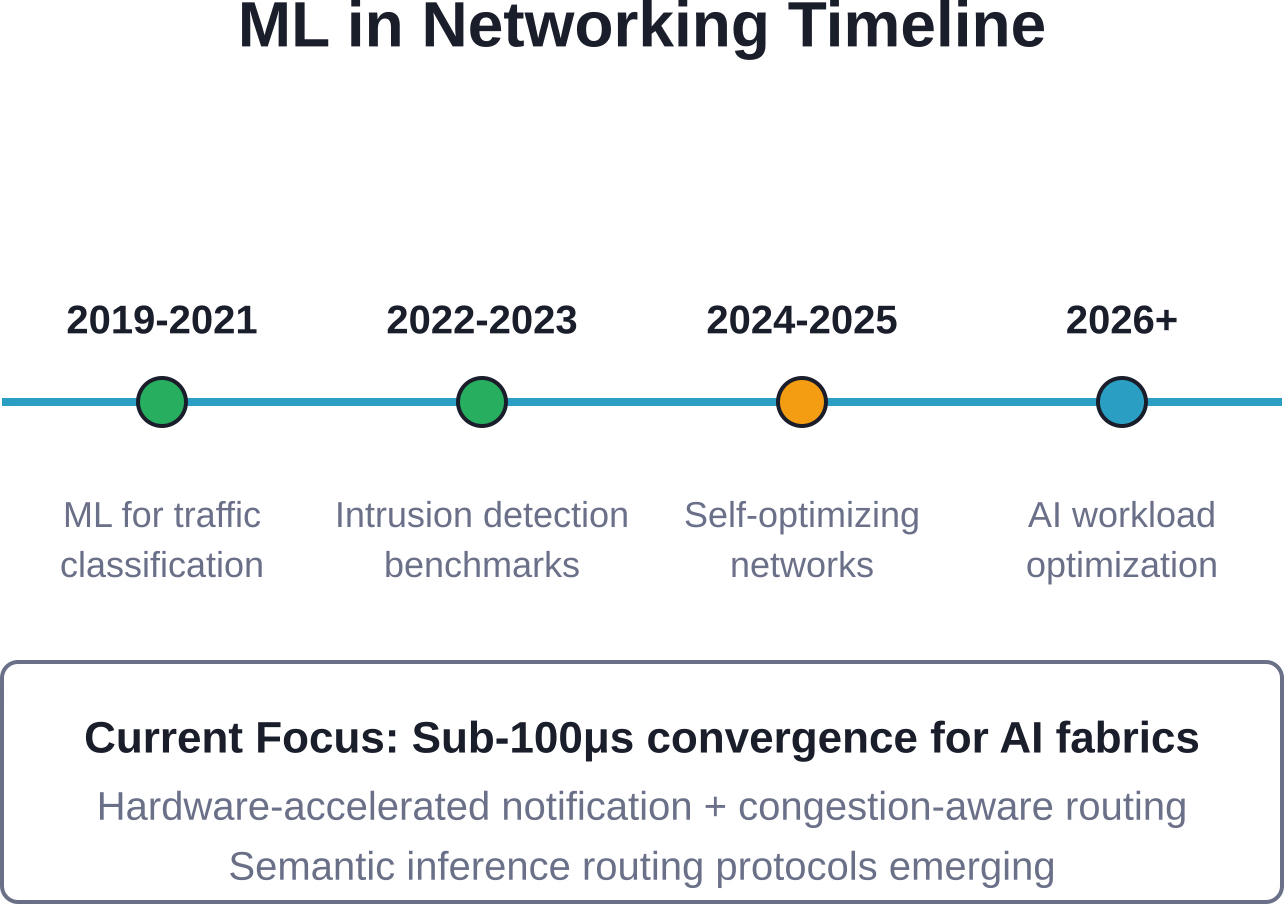
يجب أن تتقارب آليات إعادة التوجيه السريع للشبكة في أطر زمنية تقل عن 100 ميكروثانية لتلبية هذه المتطلبات. تعتمد تقنيات إعادة التوجيه السريع التقليدية لبروتوكول الإنترنت، مثل البدائل الخالية من الحلقات، على التغطية حسب بنية الشبكة؛ فهي تعمل بكفاءة عالية في بعض تصميمات الشبكات، ولكنها تترك ثغرات في تصميمات أخرى.
بينما توفر تقنية TI-LFA تغطية 100%، فإن تحقيق تقارب أقل من 50 مللي ثانية هو المعيار الصناعي لشبكات الاتصالات عالية الأداء. أما تحقيق تقارب أقل من 100 ميكروثانية فهو غير ممكن حاليًا لتقنية TI-LFA القياسية في الشبكات واسعة النطاق أو مراكز البيانات المعقدة، وذلك بسبب تأخير الانتشار المادي وقيود معالجة مستوى التحكم.
إدارة الشبكة ذاتية التحسين
إن الهدف النهائي ليس مجرد تطبيق التعلم الآلي على وظائف الشبكة الفردية، بل هو إنشاء شبكات تعمل على تحسين نفسها باستمرار.
إدارة الإنذارات والتنبؤ بالأعطال
تتعرض مراكز عمليات الشبكة لوابل من الإنذارات. وقد يؤدي انقطاع واحد في الألياف الضوئية إلى إطلاق مئات التنبيهات نتيجة لتعطل الخدمات المتصلة بها.
تقوم نماذج التعلم الآلي بربط الإنذارات لتحديد الأسباب الجذرية. فهي تتعلم أي مجموعات من التنبيهات تشير إلى أنواع محددة من الأعطال، مما يقلل من التشويش ويوجه المهندسين إلى المشكلة الحقيقية بشكل أسرع.
تتجاوز النماذج التنبؤية ذلك من خلال رصد الظروف الأولية. فالتدهور التدريجي للإشارة على وصلة الألياف الضوئية قد يتنبأ بعطل وشيك قبل حدوثه بأيام، مما يسمح بالاستبدال الاستباقي.
تخصيص الموارد الآلي
تحتاج الشبكات السحابية إلى تخصيص النطاق الترددي والحوسبة والتخزين بشكل ديناميكي مع تغير الطلب. تتنبأ نماذج التعلم الآلي باحتياجات الموارد وتُفعّل عملية التخصيص قبل أن يواجه المستخدمون أي تراجع في الأداء.
تتعلم وكلاء التعلم المعزز سياسات التخصيص الأمثل التي توازن بين أهداف متعددة: تقليل التكلفة، وزيادة الأداء إلى أقصى حد، وضمان العدالة بين المستأجرين، والحفاظ على سعة احتياطية لحركة المرور المفاجئة.
| وظيفة الشبكة | تقنية التعلم الآلي | الميزة الرئيسية | الدقة/الأداء |
|---|---|---|---|
| كشف التسلل | غابة عشوائية، أشجار إضافية | الكشف عن الهجمات الجديدة | 99.59-99.95% على UNSW-NB15 |
| تصنيف حركة المرور | الشبكات العصبية العميقة | تصنيف التدفقات المشفرة | تم الإبلاغ عن دقة 92-99% |
| تخطيط القدرات | سلسلة زمنية LSTM | توقع الطلب المستقبلي | يقلل من الإفراط في التوفير |
| تحسين التوجيه | تعزيز التعلم | التكيف مع تغيرات البنية الطوبولوجية | تغطية ديناميكية 94% |
| التنبؤ بالأعطال | إكتشاف عيب خلقي | الصيانة الاستباقية | أيام من الإنذار المسبق |
التحديات والاعتبارات العملية
بصراحة: تطبيق التعلم الآلي في شبكات الإنتاج ليس بالأمر السهل. هناك العديد من التحديات التي تحد من انتشاره.
متطلبات بيانات التدريب
تحتاج نماذج التعلم الآلي إلى مجموعات بيانات ضخمة مصنفة. بالنسبة لكشف الاختراقات، يعني ذلك وجود أمثلة على حركة المرور العادية وأنواع الهجمات المختلفة. أما بالنسبة لتحسين التوجيه، فيتطلب ذلك بيانات قياس الشبكة في ظل ظروف متنوعة.
تساعد مجموعات البيانات العامة مثل UNSW-NB15 وCIC-IDS-2017 وCIC-IDS-2018 الباحثين على تقييم المناهج. إلا أن شبكات الإنتاج تختلف عن هذه المجموعات المعيارية، إذ غالباً ما تحتاج المؤسسات إلى توليد بيانات التدريب الخاصة بها، الأمر الذي يتطلب وقتاً وتصنيفاً دقيقاً.
تفسير النموذج
يحتاج مشغلو الشبكات إلى فهم سبب اتخاذ النظام قرارًا معينًا. فعندما يصنف نموذج التعلم العميق حركة البيانات على أنها ضارة، يرغب المهندسون في معرفة ما الذي أدى إلى هذا التصنيف.
تُشكّل نماذج الصندوق الأسود تحديات تشغيلية. وتساعد تقنيات الذكاء الاصطناعي القابلة للتفسير في تحديد السمات الأكثر تأثيراً على القرار، إلا أن هذا المجال لا يزال قيد البحث النشط.
المتانة في مواجهة الخصوم
يستطيع المهاجمون تصميم مدخلات مُخصصة لخداع نماذج التعلم الآلي. تُظهر أبحاث التعلم الآلي المُعادي كيف يمكن لحزم البيانات المُصممة بعناية أن تتجنب الكشف أو تُسبب تصنيفًا خاطئًا.
تجمع الأطر الدفاعية بين أساليب الكشف المتعددة، وتطبق التحقق من صحة المدخلات، وتستخدم نماذج التجميع لجعل الأنظمة أكثر قوة في مواجهة الهجمات المعادية.
الاتجاهات الناشئة في شبكات التعلم الآلي
يستمر هذا المجال في التطور بسرعة. وتُظهر العديد من التوجهات الناشئة إمكانات واعدة بشكل خاص.
التوجيه الدلالي لاستنتاج الذكاء الاصطناعي
تقوم بروتوكولات جديدة مثل بروتوكول توجيه الاستدلال الدلالي (SIRP) بتحليل محتوى طلبات الاستدلال لاتخاذ قرارات توجيه أكثر ذكاءً. فبدلاً من التعامل مع جميع الطلبات بشكل متطابق، تصنف الشبكة الطلبات حسب درجة تعقيدها وتوجهها إلى نماذج مناسبة.
قد تُوجَّه الاستعلامات البسيطة إلى نماذج صغيرة وسريعة، بينما تُوجَّه مهام الاستدلال المعقدة إلى نماذج أكبر وأكثر كفاءة. يُحسِّن هذا التوجيه المُراعي للمحتوى كلاً من التكلفة وزمن الاستجابة.
التعلم الموحد لتحليلات الشبكات
يُدرّب التعلم الموحد النماذج عبر الشبكات الموزعة دون مركزية البيانات الحساسة. تُدرّب كل عقدة في الشبكة محليًا على بياناتها، ثم تشارك تحديثات النموذج فقط - وليس حركة المرور الخام - مع منسق مركزي.
يحافظ هذا على الخصوصية مع تمكين التعلم التعاوني في الوقت نفسه. يمكن لعدة منظمات تحسين نماذج كشف الاختراقات بشكل مشترك دون الكشف عن أنماط شبكاتها الفردية.
الأسئلة الشائعة
ما الفرق بين التعلم الآلي وخوارزميات الشبكات التقليدية؟
تتبع الخوارزميات التقليدية قواعد ثابتة يحددها المهندسون. أما خوارزميات التعلم الآلي فتتعلم الأنماط من البيانات وتُكيّف سلوكها بناءً على النتائج المرصودة. في المشكلات الديناميكية، مثل تصنيف حركة المرور أو اكتشاف الحالات الشاذة، غالبًا ما يتفوق التعلم الآلي على القواعد المصممة يدويًا لأنه يكتشف أنماطًا قد يغفل عنها البشر.
ما مدى دقة نماذج التعلم الآلي في الكشف عن اختراقات الشبكة؟
أظهرت اختبارات الأداء المعيارية الحديثة أن نماذج التعلم الآلي حققت دقة تتراوح بين 99.59% و99.99% على مجموعات بيانات قياسية مثل UNSW-NB15 وCIC-IDS-2017 وCIC-IDS-2018. وقد حققت نماذج الغابات العشوائية والأشجار الإضافية أداءً متميزًا، حيث وصل نموذج الأشجار الإضافية إلى دقة 99.95% على مجموعة بيانات UNSW-NB15 اعتبارًا من يناير 2024.
هل يمكن للتعلم الآلي تصنيف حركة مرور الشبكة المشفرة؟
نعم. تحلل نماذج التعلم الآلي خصائص التدفق - توقيت الحزم وأحجامها وأنماطها - بدلاً من محتويات الحزم. ويمكن لأساليب التعلم العميق التي تستخدم الشبكات العصبية الالتفافية أو المشفرات التلقائية المكدسة تصنيف حركة المرور المشفرة بدقة تتراوح بين 92 و99% من خلال تعلم بصمات التدفق الخاصة بالتطبيق.
ما هي التحديات الرئيسية في نشر التعلم الآلي للشبكات؟
تشمل أبرز التحديات الحصول على بيانات تدريب مصنفة كافية، وضمان قابلية تفسير النموذج من قبل فرق العمليات، والدفاع ضد الهجمات المعادية، ودمج أنظمة التعلم الآلي مع البنية التحتية الحالية للشبكة. كما تتطلب عمليات النشر في بيئة الإنتاج التعامل مع إعادة تدريب النموذج مع تغير ظروف الشبكة.
كيف يُحسّن التعلّم المعزز توجيه الشبكة؟
تستكشف وكلاء التعلم المعزز خيارات التوجيه المختلفة وتتعلم من نتائجها. وهي تعمل على تحسين الأداء لتحقيق أهداف مثل تقليل زمن الاستجابة، وزيادة الإنتاجية، وموازنة الأحمال. في الشبكات الديناميكية مثل شبكات الجوال المخصصة، يتكيف التوجيه القائم على التعلم المعزز بشكل أسرع من بروتوكولات متجه المسافة أو حالة الارتباط التقليدية.
ما هو دور التعلم الآلي في الشبكات المعرفة بالبرمجيات؟
تفصل الشبكات المعرفة بالبرمجيات (SDN) بين طبقتي التحكم والبيانات، مما يتيح فرصًا للذكاء المركزي. تستطيع خوارزميات التعلم الآلي العاملة على وحدات تحكم SDN اتخاذ قرارات التحسين الشاملة بناءً على رؤية كاملة للشبكة. وهذا يمكّن من هندسة حركة البيانات، والتخطيط التنبؤي للسعة، والتعافي التلقائي من الأعطال، وهي أمور كانت مستحيلة باستخدام البروتوكولات الموزعة وحدها.
هل التعلم الآلي أفضل دائماً من الطرق التقليدية لإدارة الشبكات؟
لا. بالنسبة للمشاكل المفهومة جيدًا والتي لها حلول مثلى واضحة - مثل توجيه أقصر مسار في الشبكات الثابتة - تعمل الخوارزميات التقليدية بكفاءة عالية وتُنفذ بسرعة أكبر. يُضيف التعلم الآلي قيمة عند التعامل مع عدم اليقين، أو المفاضلات المعقدة، أو الأنماط المتغيرة بمرور الوقت. غالبًا ما يجمع النهج الأمثل بين الاثنين: الخوارزميات التقليدية للمهام الحتمية، والتعلم الآلي للذكاء التكيفي.
خاتمة
يُحدث التعلم الآلي تغييراً جذرياً في طريقة عمل الشبكات. فالأنظمة الثابتة القائمة على القواعد تفسح المجال أمام الخوارزميات التكيفية التي تتعلم من التجربة.
تُثبت الأرقام نجاح هذا المفهوم. إذ تصل دقة أنظمة كشف التسلل إلى 99%+. وتُحدد مُصنفات حركة البيانات تدفقات التطبيقات المُشفرة. ويتكيف تحسين التوجيه مع تغيرات بنية الشبكة في الوقت الفعلي. وتتنبأ نماذج تخطيط السعة بالطلب المستقبلي بدقة غير مسبوقة.
لكن النجاح يتطلب فهم المجالات التي يُفيد فيها التعلم الآلي فعلاً، والمجالات التي تُجدي فيها الأساليب التقليدية نفعاً. لا تحتاج الشبكات إلى التعلم العميق لكل وظيفة، بل تحتاج إليه عندما تكون الأنماط معقدة، والظروف متغيرة باستمرار، أو عندما تعجز القواعد التي يضعها الإنسان عن أداء الغرض المطلوب.
يشهد هذا المجال تطوراً مستمراً. فقد ظهرت تقنيات التوجيه الدلالي لأحمال عمل الاستدلال في الذكاء الاصطناعي، والتعلم الموحد لتحليلات البيانات التي تحافظ على الخصوصية، وإعادة التوجيه السريع في أقل من 100 ميكروثانية، جميعها خلال العام الماضي فقط. ومع ازدياد متطلبات أحمال عمل الذكاء الاصطناعي، تحتاج الشبكات التي تدعمها إلى ذكاء مدعوم بالتعلم الآلي لمواكبة هذا التطور.
هل أنت مستعد لتطبيق تقنيات التعلم الآلي في بنية شبكتك التحتية؟ ابدأ بتحديد مشكلة واضحة المعالم، واجمع بيانات تدريب عالية الجودة، وتحقق من صحة النتائج بدقة قبل نشرها في بيئة الإنتاج. لقد أثبتت هذه التقنية فعاليتها، والآن يكمن التحدي في تطبيقها بفعالية على تحديات شبكتك الخاصة.