ملخص سريع: تستخدم أنظمة التوصية تقنيات التعلم الآلي، مثل الترشيح التعاوني، والترشيح القائم على المحتوى، والشبكات العصبية العميقة، للتنبؤ بتفضيلات المستخدمين واقتراح المنتجات ذات الصلة. وتعتمد منصات كبرى مثل نتفليكس وأمازون ويوتيوب على هذه الأنظمة، حيث تُقدّر نتفليكس أن نظام التوصية الخاص بها يُحقق قيمة تجارية تتجاوز مليار دولار أمريكي سنويًا، بينما تُحقق أمازون 351 تريليون دولار أمريكي من إيراداتها من خلاله. وتجمع الأساليب الحديثة بين تحليل المصفوفات التقليدي وهياكل التعلم العميق للتعامل مع مجموعات البيانات الضخمة وتقديم تجارب مُخصصة على نطاق واسع.
في كل مرة تقترح فيها نتفليكس مسلسلًا ينتهي بك الأمر بمشاهدته دفعة واحدة، أو توصي أمازون بمنتج لم تكن تعلم أنك بحاجة إليه، فإن أنظمة التوصية القائمة على التعلم الآلي تعمل في الخفاء.
تحلل هذه الأنظمة الذكية كميات هائلة من بيانات سلوك المستخدم، وتحدد أنماطًا غير مرئية للمراقبين البشريين. والنتيجة؟ تجارب شخصية تبدو دقيقة بشكل مثير للدهشة.
لكن كيف تعمل هذه الأنظمة في الواقع؟ ولماذا أصبحت لا غنى عنها للمنصات الحديثة؟
ما هي أنظمة التوصية القائمة على التعلم الآلي؟
نظام التوصيات هو خوارزمية ذكاء اصطناعي تقترح منتجات للمستخدمين بناءً على مدخلات بيانات متنوعة. لا تعتمد هذه الأنظمة على التخمين العشوائي لما قد يعجبك، بل تستخدم نماذج تعلم آلي متطورة للتنبؤ بالتفضيلات بدقة ملحوظة.
يُعدّ الأثر التجاري كبيرًا. تُشير أمازون إلى أن 351 تريليونًا من إيراداتها تأتي من نظام التوصيات الخاص بها. وتُقدّر نتفليكس أن نظام التوصيات الخاص بها يُولّد قيمة تجارية تتجاوز مليارًا سنويًا. في الوقت نفسه، يأتي 801 تريليونًا من الأفلام المُشاهدة على نتفليكس من التوصيات وليس من البحث، بينما يأتي 601 تريليونًا من نقرات فيديوهات يوتيوب من توصيات الصفحة الرئيسية.
هذه ليست ميزات ثانوية تُضاف إلى المنصات، بل هي محركات أساسية للإيرادات تُشكّل بشكل جذري كيفية اكتشاف المستخدمين للمحتوى والمنتجات.
البنية الأساسية
تتبع معظم أنظمة التوصية بنية ثلاثية المراحل:
- تُقلّص عملية توليد المرشحين مجموعة بيانات ضخمة إلى مجموعة فرعية يُمكن التعامل معها. على سبيل المثال، يُقلّص موقع يوتيوب مليارات الفيديوهات إلى مئات أو آلاف المرشحين. تُعطي هذه المرحلة الأولوية للسرعة، إذ يجب على النماذج تقييم الاستعلامات بسرعة نظرًا لتشغيل العديد من مولدات المرشحين بالتوازي في كثير من الأحيان.
- تعتمد عملية التقييم على نماذج أكثر تطوراً لترتيب المرشحين المختارين. وبما أن هذه المرحلة لا تقيّم سوى العناصر التي تتراوح بين العشرات والمئات، فإنها تسمح بمزيد من التعقيد الحسابي.
- تُجري عملية إعادة الترتيب تعديلات نهائية بناءً على قواعد العمل، أو متطلبات التنوع، أو اعتبارات الحداثة قبل عرض العناصر على المستخدمين.
الترشيح التعاوني: التعلم من الجمهور
تعتمد عملية الترشيح التعاوني على فرضية بسيطة: الأشخاص الذين اتفقوا في الماضي من المحتمل أن يتفقوا في المستقبل.
إذا أحب المستخدم أ والمستخدم ب نفس الأفلام العشرة، وأحب المستخدم أ فيلمًا حادي عشر لم يشاهده المستخدم ب، فسيوصي النظام بذلك الفيلم الحادي عشر للمستخدم ب. لا حاجة لتحليل محتوى الفيلم - فقط أنماط في سلوك المستخدم.
نهج تحليل المصفوفات
تعتمد الأسس الرياضية على تحليل مصفوفة تفاعل المستخدم مع العنصر إلى تمثيلات ذات أبعاد أقل. عملياً، يتعلم النظام السمات الكامنة لكل من المستخدمين والعناصر.
يُمثَّل كل مستخدم بمتجه تفضيلات عبر سمات مخفية. ويُمثَّل كل عنصر بمتجه خصائص عبر تلك السمات نفسها. ويُتنبأ حاصل الضرب النقطي لهذه المتجهات بمدى إعجاب المستخدم بذلك العنصر.
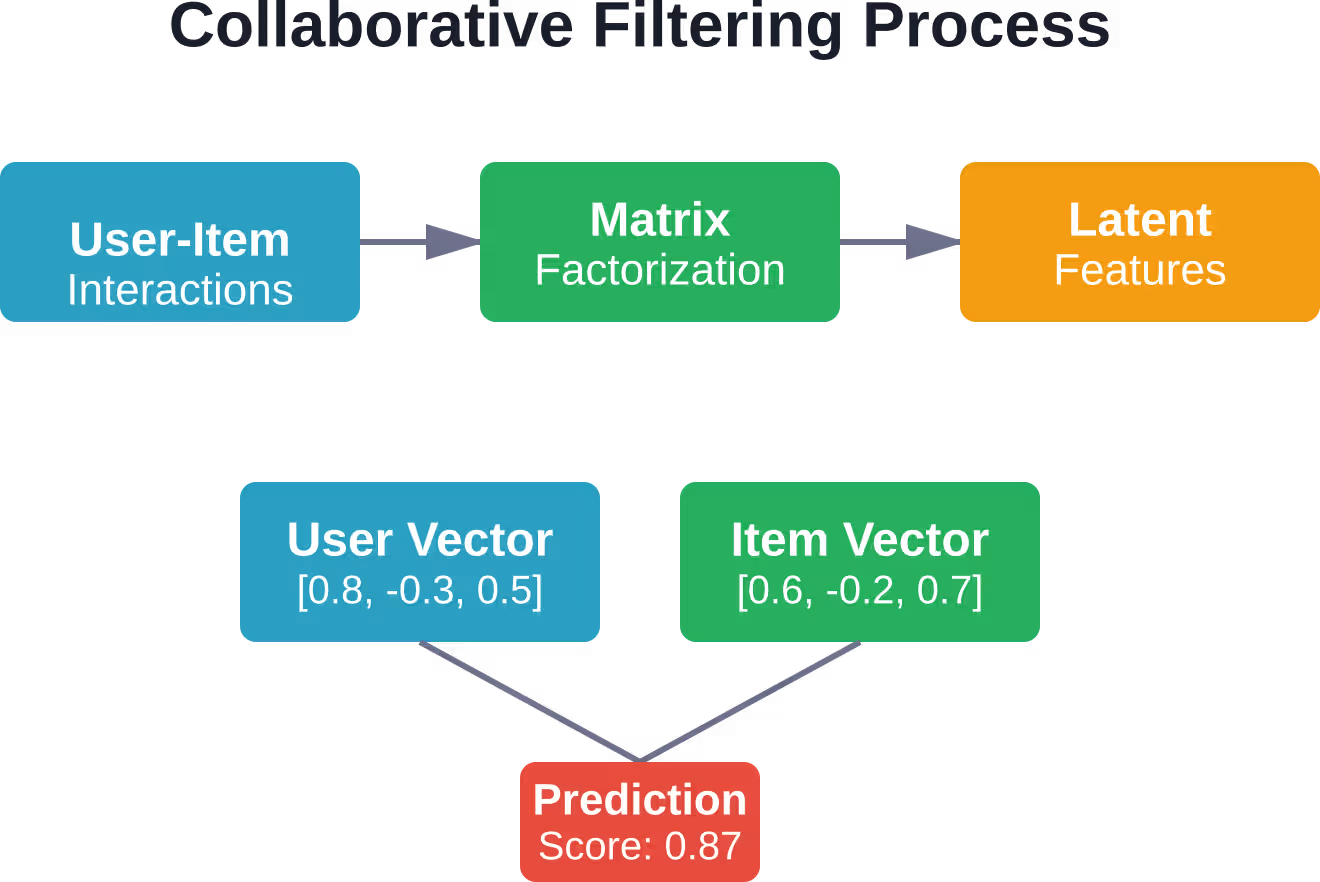
أظهرت الأبحاث المتعلقة بأنظمة التوصية باستخدام تحليل المصفوفات أداءً متميزًا على مجموعات بيانات واقعية. فعلى سبيل المثال، حققت أساليب الترشيح التعاوني دقة عالية على مجموعات بيانات ألعاب الفيديو التي تضم ملايين التقييمات عبر آلاف العناصر.
التغذية الراجعة الصريحة مقابل التغذية الراجعة الضمنية
تتعامل تقنية الترشيح التعاوني مع نوعين من الإشارات بشكل مختلف:
- تأتي التعليقات الصريحة من تقييمات المستخدمين المباشرة - النجوم، والإبهام لأعلى/لأسفل، والدرجات الرقمية. تشير هذه الإشارات بوضوح إلى التفضيل، لكنها قليلة. فمعظم المستخدمين لا يقيمون معظم المنتجات.
- تستنتج التغذية الراجعة الضمنية التفضيل من السلوك - المشاهدات، والنقرات، ووقت المشاهدة، والمشتريات. فمشاهدة المستخدم لفيلم ما لمدة ١٠١ ثانية فقط تشير إلى عدم اهتمامه، بينما مشاهدته مرتين تدل على تفضيله الشديد. هذه الإشارات وفيرة ولكنها أقل دقة.
تعتمد الأنظمة الحديثة بشكل متزايد على التغذية الراجعة الضمنية لأنها متاحة على نطاق واسع. كل تفاعل يولد بيانات حتى لو لم يقم المستخدمون بتقييم أي شيء بشكل صريح.
التصفية القائمة على المحتوى: فهم خصائص العناصر
تعتمد عملية التصفية القائمة على المحتوى على نهج مختلف. فبدلاً من التعلم من السلوك الجماعي، تقوم بتحليل سمات العناصر ومطابقتها مع تفضيلات المستخدم.
إذا شاهد المستخدم عدة أفلام خيال علمي، يتعرف النظام على "الخيال العلمي" كصفة مفضلة ويقترح أفلامًا أخرى تحمل هذه الصفة. وينطبق المنطق نفسه على المنتجات والمقالات والموسيقى.
تكمن قوة هذا النظام في استقلاليته عن المستخدمين الآخرين. فبإمكان المستخدم الجديد، الذي لا يملك أي سجل سلوكي، الحصول على توصيات بناءً على تفضيلاته المعلنة أو تفاعلاته الأولية. كما تُفسر الأنظمة القائمة على المحتوى التوصيات بشكل طبيعي: "نقترح هذا لأنك أعجبتك عناصر مشابهة".“
ما هي عيوبها؟ لا تستطيع أنظمة التصفية القائمة على المحتوى اكتشاف التفضيلات غير المتوقعة. فهي توصي بمزيد مما يعرف المستخدمون بالفعل أنهم يحبونه، متجاهلةً الاكتشافات غير المتوقعة التي قد تظهر من خلال الأساليب التعاونية.
الشبكات العصبية العميقة تُحسّن التوصيات
تعمل أساليب التصفية التعاونية التقليدية والأساليب القائمة على المحتوى بشكل جيد، لكن بنى التعلم العميق دفعت جودة التوصيات إلى مستويات جديدة.
الترشيح التعاوني العصبي
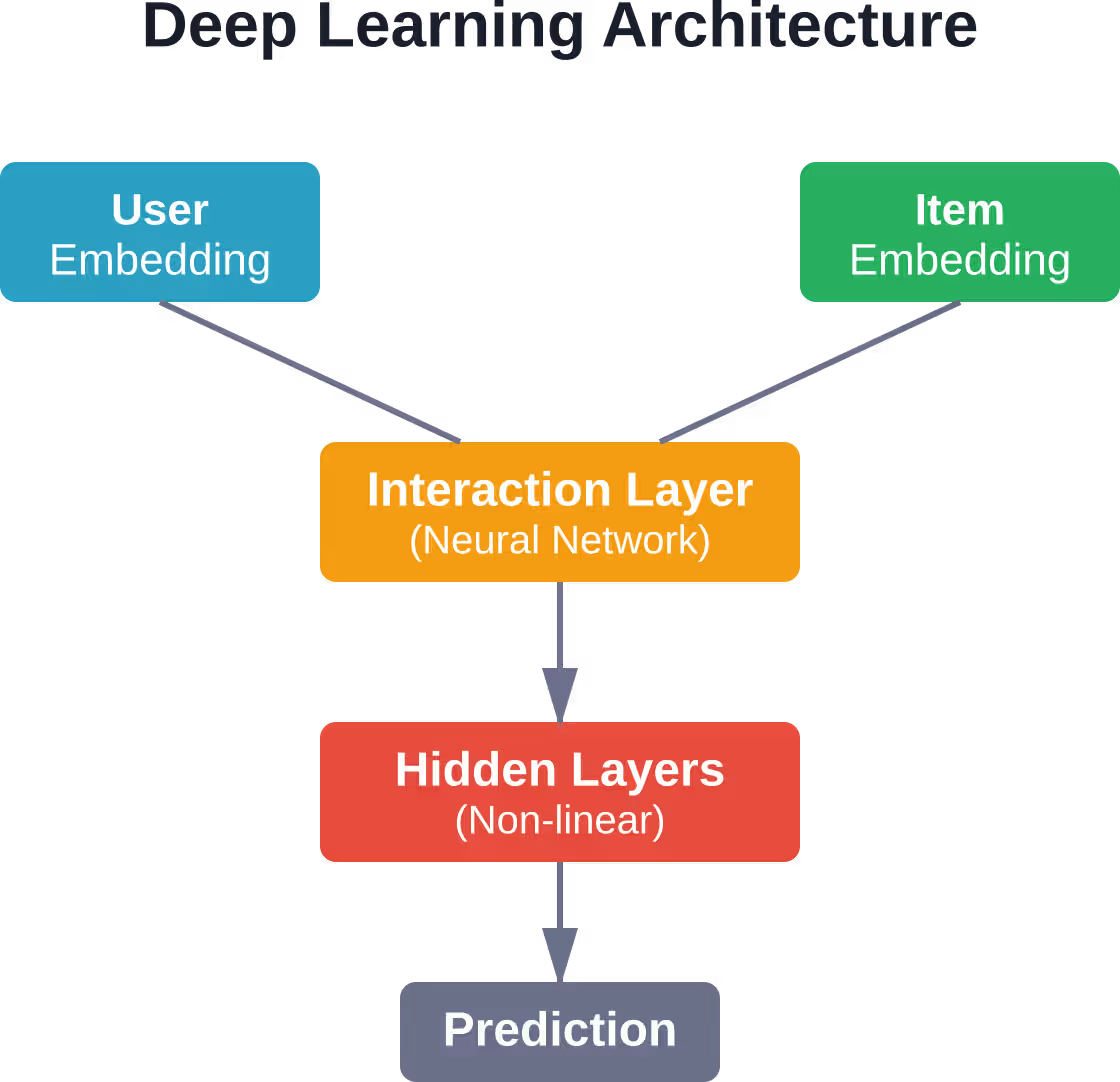
يستبدل الترشيح التعاوني العصبي (NCF) عملية الضرب النقطي البسيطة في تحليل المصفوفات بطبقات الشبكة العصبية. فبدلاً من افتراض أن متجهات المستخدم والعنصر تتفاعل من خلال توليفة خطية، تتعلم الشبكات العصبية أنماط تفاعل عشوائية.
تتيح هذه المرونة استيعاب العلاقات غير الخطية. فربما يعتمد تفضيل المستخدم لأفلام الحركة على عوامل أخرى - كالمخرج، ومدة العرض، وسنة الإصدار - بطرق معقدة. تستطيع الشبكات العصبية نمذجة هذه التبعيات حيث تعجز النماذج الخطية.
تتضمن عملية التنفيذ عادةً ما يلي:
- طبقات التضمين التي تربط المستخدمين والعناصر بمتجهات كثيفة
- طبقات مخفية متعددة تتعلم وظائف التفاعل
- طبقة الإخراج التي تتنبأ بدرجات التفضيل
يمكن للهندسة المعمارية أن تدمج كلاً من تفاعلات المستخدم مع العنصر (الإشارات التعاونية) وخصائص العنصر (إشارات المحتوى) في إطار موحد.
التعلم العميق التعاوني
يُوسّع التعلّم العميق التعاوني المفهومَ أكثر من خلال التعلّم المشترك لتمثيلات العناصر من المحتوى والترشيح التعاوني من التفاعلات. وقد أثبتت مناهج التعلّم العميق التعاوني قدرتها على تحسين جودة التوصيات من خلال دمج تحليل المحتوى مع الأنماط التعاونية بشكل وثيق.
بالنسبة للعناصر النصية الكثيفة كالمقالات أو أوصاف المنتجات، قد يستخدم النظام الشبكات العصبية الالتفافية أو المحولات لاستخراج السمات الدلالية. أما بالنسبة للصور، فتُنشئ نماذج رؤية الحاسوب تمثيلات مرئية. ثم تُغذّى هذه التمثيلات للمحتوى إلى طبقات تعاونية إلى جانب البيانات السلوكية.
والنتيجة: توصيات تفهم ماهية العناصر وكيفية تفاعل الناس معها.
الأنظمة الهجينة: الجمع بين مناهج متعددة
لا تعتمد معظم أنظمة التوصية في مجال الإنتاج على خوارزمية واحدة. تجمع الأساليب الهجينة بين الترشيح التعاوني والترشيح القائم على المحتوى، وأحيانًا إشارات إضافية، لتحقيق أقصى قدر من جودة التوصية.
يُجسّد إطار عمل LightFM هذه الاستراتيجية الهجينة. فهو يدمج تفاعلات المستخدم مع العناصر (التفاعلات التعاونية) وبيانات تعريف الميزات (البيانات القائمة على المحتوى) في نموذج تمثيل كامن موحد. يتم تضمين المستخدمين والعناصر بناءً على ميزاتهم، ثم تُعدّل أنماط التفاعل التعاوني هذه التضمينات من خلال بيانات التفاعل.
هذا المزيج يعالج نقاط الضعف في المناهج الفردية:
- مشكلة بدء التشغيل البارد: لا يزال بإمكان المستخدمين الجدد أو العناصر التي ليس لها سجل تفاعل الحصول على توصيات معقولة من خلال ميزات المحتوى.
- التباعد: تسد ميزات المحتوى الثغرات حيث تكون بيانات التفاعل شحيحة
- صدفة سعيدة: تكشف أنماط التعاون عن عناصر غير متوقعة لا يمكن أن توصي بها أنماط تشابه المحتوى وحدها
تُمكّن الأنظمة الهجينة أيضًا من استخدام أساليب التجميع. حيث تُولّد نماذج متعددة توصيات مُرشّحة، ثم يتعلم نموذجٌ جامعٌ كيفية تقييمها ودمجها بناءً على السياق. قد يتفوق أحد النماذج في التنبؤ بالتفضيلات السائدة بينما يُبرز نموذجٌ آخر اهتماماتٍ متخصصة - ويستفيد التجميع من كلا الميزتين.

أنشئ أنظمة توصية باستخدام AI Superior
تعتمد أنظمة التوصية على سلوك المستخدم، والتفاعلات السابقة، والنمذجة التنبؤية لتوليد اقتراحات مفيدة. AI Superior تساعد الشركات على هيكلة مشاريع أنظمة التوصية بناءً على البيانات المتاحة، وأهداف العمل، ومتطلبات النشر العملية. وتشمل خدماتها الاستشارات في مجال الذكاء الاصطناعي، والتعلم الآلي، وعلم البيانات، وتطوير برمجيات الذكاء الاصطناعي، وتطوير نماذج إثبات المفهوم، وتقييم النماذج.
بإمكان شركة AI Superior دعم مشاريع أنظمة التوصية من خلال:
- مراجعة مجموعات بيانات المستخدم أو المنتج أو التفاعل
- تحديد منطق التوصية وأهداف التعلم الآلي
- بناء نماذج توصية لإثبات المفهوم
- تطوير نماذج الترشيح التعاوني أو النماذج التنبؤية
- اختبار جودة التوصيات ومدى ملاءمتها
- تخطيط التكامل مع المنصات أو التطبيقات الحالية
- دعم النشر والتقييم المستمر للنموذج
بالنسبة لأنظمة التوصية، قد ينطبق هذا على توصيات التجارة الإلكترونية، واقتراحات المحتوى، وتخصيص تجربة العملاء، وتصنيف المنتجات، ومنصات الوسائط، وأنظمة دعم القرار الداخلية.
تواصل مع شركة AI Superior لمراجعة نطاق المشروع.
تطبيقات عملية في مختلف الصناعات
لا تقتصر أنظمة التوصية على الترفيه والتجارة الإلكترونية فحسب، بل أصبحت بنية تحتية عبر المنصات الرقمية.
منصات البث
بنت كل من نتفليكس وسبوتيفاي تجربة المستخدم الخاصة بهما على أساس التوصيات. وتشير نتفليكس إلى أن 801 تريليون مشاهدة من المحتوى تأتي من اقتراحات خوارزمية وليس من البحث. ويحلل النظام سجل المشاهدة، ووقت اليوم، ونوع الجهاز، وحتى مدة بقاء المستخدمين فوق الصور المصغرة.
أصبحت قائمة تشغيل "اكتشف أسبوعيًا" من سبوتيفاي ميزةً بارزةً تحديدًا لأن توصياتها تبدو شخصيةً ومفاجئةً في الوقت نفسه. يمزج النظام بين التصفية التعاونية (الأشخاص ذوي الأذواق المتشابهة) وتحليل الصوت للمقاطع الموسيقية ومعالجة اللغة الطبيعية للمقالات الموسيقية.
التجارة الإلكترونية
كانت أمازون رائدة في تقديم توصيات "العملاء الذين اشتروا هذا المنتج اشتروا أيضًا". يأخذ النظام الآن في الاعتبار سجل التصفح، والإضافات إلى سلة التسوق، وقوائم الأمنيات، وحتى المنتجات التي اطلع عليها المستخدمون ولكن لم يشتروها. غالبًا ما تتضمن هذه المجموعات "التي يتم شراؤها معًا بشكل متكرر" منتجات تكميلية لم يفكر المستخدمون في شرائها.
تشير الأبحاث إلى أن أنظمة التوصية الذكية تُحسّن بشكل ملحوظ معدلات التحويل لمنتجات الويب، حيث تُشير التقارير إلى تحسينات تصل إلى 20% أو أكثر. وتُظهر دراسات مختلفة زيادة في إيرادات البيع الإضافي بفضل التوصيات الدقيقة للمنتجات، حيث تُشير الأبحاث إلى زيادات تتراوح بين 10 و50%.
وسائل التواصل الاجتماعي
يعزو موقع يوتيوب 60% من نقرات الفيديو من الصفحة الرئيسية إلى محرك التوصيات الخاص به. يجب على النظام تحقيق التوازن بين أهداف متعددة، منها مدة المشاهدة، ورضا المستخدم، وتنوع المحتوى، وصحة بيئة صناع المحتوى.
تتولى مرحلة توليد المرشحين وحدها معالجة مليارات الفيديوهات. تقوم الشبكات العصبية المدربة على سجل المستخدم، واستعلامات البحث، والبيانات الديموغرافية بتقليص هذه المجموعة إلى مئات المرشحين. ثم يقوم نموذج تصنيف ثانٍ بتقييم هؤلاء المرشحين باستخدام ميزات أكثر ثراءً مثل بيانات الفيديو الوصفية، وسياق المستخدم، ووقت المشاهدة المتوقع.
اكتشاف المحتوى
تواجه منصات تجميع الأخبار والمحتوى تحديات فريدة. يجب أن توازن التوصيات بين الملاءمة والحداثة، فالمقال الذي انتشر بالأمس قد لا يكون ذا صلة اليوم. كما يجب عليها إدارة فقاعات التصفية، لضمان اطلاع المستخدمين على وجهات نظر متنوعة بدلاً من مجرد تأكيد الآراء السائدة.
تتضمن بعض الأنظمة مقاييس تنوع صريحة في مرحلة إعادة الترتيب، حيث تقوم بخلط أنواع التوصيات أو فئات المواضيع عمداً حتى لو أدى ذلك إلى تقليل التفاعل المتوقع للعناصر الفردية بشكل طفيف.
| منصة | الخوارزمية الأساسية | المؤشر الرئيسي | الأثر التجاري |
|---|---|---|---|
| نتفليكس | هجين (تعاوني + محتوى) | وقت المشاهدة | 80% من الآراء الواردة في التوصيات |
| أمازون | الترشيح التعاوني | معدل التحويل | 35% من الإيرادات تُعزى إلى التوصيات |
| موقع YouTube | الشبكات العصبية العميقة | نسبة النقر إلى الظهور | 60% من نقرات الصفحة الرئيسية من التوصيات |
| سبوتيفاي | هجين (تحليل الصوت + التعاون) | الاحتفاظ بالمستخدمين | اكتشف أسبوعيًا ما يزيد من التفاعل |
التحديات والحلول التقنية
تتضمن أنظمة التوصية الخاصة بإنتاج المباني حل المشكلات التي لا تظهر في الأوراق البحثية.
قابلية التوسع
يتطلب تدريب النماذج على مجموعات بيانات تضم ملايين المستخدمين والعناصر بنية تحتية للحوسبة الموزعة. وقد يحتاج طلب توصية واحد إلى تقييم آلاف المرشحين في أجزاء من الثانية.
تشمل الحلول البحث التقريبي عن أقرب جار لتوليد المرشحين، وتخزين التوصيات الشائعة مؤقتًا، والحساب المسبق للتضمينات التي يمكن البحث عنها بسرعة بدلاً من حسابها عند الطلب.
تتضمن المتطلبات الدنيا للأجهزة اللازمة لتنفيذ أنظمة التوصيات الجادة عادةً ذاكرة وصول عشوائي (RAM) بسعة 8 جيجابايت (يوصى بسعة 16-32 جيجابايت) ومساحة تخزين 256 جيجابايت (يوصى بسعة 512 جيجابايت) وذلك فقط لبيئات التطوير. أما أنظمة الإنتاج فتحتاج إلى أكثر من ذلك بكثير.
مشكلة بدء التشغيل البارد
لا يملك المستخدمون الجدد سجل تفاعل. ولا توجد تقييمات أو مشاهدات للعناصر الجديدة. كيف يقدم النظام التوصيات؟
بالنسبة للمستخدمين، تُعدّ عمليات الإعداد التي تُسجّل تفضيلاتهم الصريحة مفيدة. فطلب اختيار الأنواع أو العلامات التجارية أو المواضيع المفضلة لدى المستخدمين الجدد يُوفّر مؤشرات أولية. كما تُتيح الميزات القائمة على المحتوى تقديم توصيات معقولة حتى بدون بيانات تعاونية.
بالنسبة للعناصر، تُسدّ ميزات المحتوى الفجوة مرة أخرى. يمكن التوصية بفيلم جديد تمامًا بناءً على نوعه ومخرجه وطاقم ممثليه حتى قبل أن يشاهده أي شخص.
حلقات التغذية الراجعة
تؤثر أنظمة التوصية على بيانات تدريبها. فإذا أوصى النظام بمنتجات شائعة، فإنها تحظى بتفاعل أكبر، مما يعزز هذا النمط. أما المحتوى المتخصص فيُهمَل.
يتطلب معالجة هذا الأمر موازنة بين الاستكشاف والاستغلال. يُوصي النظام أحيانًا بعناصر غير متأكد منها (استكشاف) بدلًا من اختيار العناصر المفضلة المتوقعة دائمًا (استغلال). تُولّد هذه التوصيات الاستكشافية بيانات حول التفضيلات الأقل شيوعًا.
معايير التقييم
تقيس المقاييس غير المتصلة بالإنترنت، مثل مساحة تحت المنحنى (AUC) والدقة والاستدعاء، دقة النموذج على البيانات المحجوزة. لكن أفضل أداء غير متصل بالإنترنت لا يترجم دائمًا إلى نتائج أعمال.
لا يزال اختبار A/B عبر الإنترنت ضروريًا. هل يزيد النموذج الجديد بالفعل من وقت المشاهدة أو المبيعات أو رضا المستخدمين مقارنةً بنظام الإنتاج الحالي؟ في بعض الأحيان، يكون أداء نموذج ذي دقة أقل قليلاً في وضع عدم الاتصال أفضل عمليًا لأنه يوازن بين عوامل أخرى مثل التنوع أو الحداثة.
الاتجاهات الناشئة في أنظمة التوصية
يستمر هذا المجال في التطور بسرعة. وتُظهر عدة اتجاهات إمكانات واعدة بشكل خاص.
بنى المحولات
تُستخدم الآن تقنية المحولات، وهي البنية الأساسية لنماذج اللغة الكبيرة، في أنظمة التوصية. تعمل آليات الانتباه الذاتي بشكل طبيعي على نمذجة سلوك المستخدم المتسلسل - فترتيب مشاهدة الأفلام أو شراء المنتجات مهم.
تستطيع هذه النماذج رصد العلاقات طويلة المدى في سجل المستخدم التي تواجه الشبكات العصبية المتكررة صعوبة في التعامل معها. كما أنها تُسرّع عملية التدريب بشكل أكثر كفاءة، مما يُتيح تكرارًا أسرع على مجموعات البيانات الضخمة.
توصيات متعددة الوسائط
تتضمن الأنظمة الحديثة بشكل متزايد أنواعًا متعددة من البيانات. فعلى سبيل المثال، قد يحلل النظام، عند تقديم توصيات الفيديو، الصوت والمحتوى المرئي والوصف النصي وتعليقات المستخدمين في آن واحد. وتساهم كل وسيلة من هذه الوسائل بإشارات مختلفة حول المحتوى وتفضيلات المستخدم.
يُعدّ التعلّم متعدد الوسائط مثيراً للاهتمام بشكل خاص، حيث يتم تدريب نماذج تفهم العلاقات بين أنواع البيانات المختلفة. على سبيل المثال، قد يتعلم النظام أن المستخدمين الذين يفضلون أنواعاً موسيقية معينة يفضلون أيضاً جماليات بصرية محددة في مقاطع الفيديو.
قطاع الطرق السياقيون
بدلاً من التعامل مع التوصيات كمشكلة تعلم خاضعة للإشراف، تُصاغ خوارزميات اللصوص السياقية على أنها عملية اتخاذ قرارات متسلسلة في ظل عدم اليقين. ويوازن النظام بين استغلال التفضيلات المعروفة واستكشاف الخيارات غير المؤكدة لجمع المزيد من المعلومات.
هذا الإطار يتعامل بشكل طبيعي مع المفاضلة بين الاستكشاف والاستغلال ويمكنه التكيف بسرعة أكبر مع تغير تفضيلات المستخدم مقارنة بالنماذج التي تتطلب إعادة تدريب كاملة.
العدالة والتنوع
تتناول الأبحاث الحديثة بشكل متزايد تحيزات أنظمة التوصية. قد تُضخّم هذه الأنظمة، دون قصد، التحيزات الديموغرافية في بيانات التدريب أو تُنشئ فقاعات تصفية تحدّ من تنوّع المحتوى.
تتضمن الأساليب الجديدة قيودًا تتعلق بالإنصاف أثناء التدريب أو في مرحلة إعادة الترتيب. والهدف هو تقديم توصيات تخدم المستخدمين بشكل جيد مع تعزيز تنوع المحتوى وتكافؤ الفرص بين مختلف منشئي المحتوى.
بناء نظام التوصيات الأول الخاص بك
يتطلب بدء مشروع نظام التوصيات اتخاذ عدة قرارات رئيسية.
اختر أسلوبك
بالنسبة لمجموعات البيانات الصغيرة (آلاف المستخدمين والعناصر)، يعمل الترشيح التعاوني التقليدي بشكل جيد. ولا يزال تحليل المصفوفات فعالاً بشكل مدهش وفعالاً من حيث الحساب.
بالنسبة لمجموعات البيانات الكبيرة أو عند الحاجة إلى دمج خصائص العناصر الغنية، يُنصح باستخدام الأساليب الهجينة أو الترشيح التعاوني العصبي. يتألق التعلم العميق عندما تتوفر لديك بيانات كافية لتدريب نماذج معقدة.
بالنسبة لحالات بدء التشغيل البارد أو التطبيقات التي تكون فيها قابلية التفسير مهمة، فإن التصفية القائمة على المحتوى توفر أساسًا متينًا.
اختر أدواتك
تُسرّع العديد من المكتبات مفتوحة المصدر عملية التطوير. يوفر مستودع Recommenders من مايكروسوفت على GitHub تطبيقاتٍ لخوارزمياتٍ متعددة مع شفرة جاهزة للاستخدام في بيئات الإنتاج. ويتضمن أمثلةً باستخدام مجموعة بيانات MovieLens، ويغطي كل شيء بدءًا من تحليل المصفوفات الأساسي وصولًا إلى الترشيح التعاوني العصبي.
بالنسبة لأساليب التعلم العميق، يُسهّل PyTorch Lightning تدريب النماذج المعقدة. يدعم هذا الإطار التدريب الموزع، والدقة المختلطة، ونقاط التفتيش، مع الحفاظ على سهولة قراءة الكود.
يوفر TensorFlow أيضًا مكونات نظام التوصية، وخاصةً للنشر الإنتاجي على نطاق واسع.
جمع البيانات وإعدادها
إن جودة البيانات أهم من اختيار الخوارزمية. أنت بحاجة إلى تفاعلات المستخدم مع المنتج - المشاهدات، والمشتريات، والتقييمات - ومن الأفضل أيضاً الحصول على طوابع زمنية لالتقاط الأنماط الزمنية.
تتضمن عملية إعداد البيانات معالجة القيم المفقودة، وتصفية الرسائل المزعجة أو أنشطة البرامج الآلية، وربما تقليل عدد العناصر الشائعة التي تهيمن على مجموعة البيانات. أما بالنسبة للتعليقات الضمنية، فستحتاج إلى تحديد ما يُعتبر إشارة إيجابية - هل مشاهدة 10% مقطع فيديو تدل على الاهتمام أم عدم الاهتمام؟
التقييم السليم
قسّم بياناتك زمنيًا إن أمكن. درّب النموذج على التفاعلات قبل تاريخ معين، واختبره على التفاعلات بعده. هذا يحاكي عملية النشر في العالم الحقيقي حيث تتنبأ بالسلوك المستقبلي.
تتبّع العديد من المقاييس. تُبيّن لك مقاييس الدقة، مثل الدقة والاستدعاء، ما إذا كان النظام يُحدّد العناصر ذات الصلة. وتضمن مقاييس التنوّع عدم انحصار التوصيات في نطاق ضيق للغاية. وتُظهر مقاييس التغطية نسبة المنتجات التي يتم التوصية بها من كتالوجك.
لكن تذكر: اختبار A/B عبر الإنترنت هو التحقق الأمثل. تُوجّه المقاييس غير المتصلة بالإنترنت عملية التطوير، لكن سلوك المستخدم الحقيقي هو الذي يُحدد النجاح.
الأسئلة الشائعة
ما الفرق بين التصفية التعاونية والتصفية القائمة على المحتوى؟
يتعلم نظام الترشيح التعاوني من أنماط سلوك المستخدمين، فيقترح عناصر نالت إعجاب مستخدمين مشابهين. وهو لا يحلل محتوى العنصر، بل أنماط التفاعل فقط. أما نظام الترشيح القائم على المحتوى، فيحلل سمات العنصر ويطابقها مع تفضيلات المستخدم. فإذا كنت من محبي أفلام الحركة، فإنه يقترح أفلام حركة أخرى بناءً على تصنيفات النوع، أو المخرجين، أو غيرها من البيانات الوصفية. يكتشف نظام الترشيح التعاوني تفضيلات غير متوقعة، ولكنه يحتاج إلى بيانات التفاعل. بينما يعمل نظام الترشيح القائم على المحتوى مع العناصر الجديدة، إلا أنه قد يفتقر إلى عنصر المفاجأة.
كيف تتعامل شركات مثل نتفليكس مع ملايين المستخدمين؟
تستخدم هذه الأنظمة بنية تحتية للحوسبة الموزعة وهياكل متعددة المراحل. تعمل عملية توليد المرشحين على تقليص مليارات العناصر بسرعة إلى مئات باستخدام نماذج أسرع وأبسط. ثم تُطبّق عملية التقييم نماذج أكثر تعقيدًا على هذه المجموعة الأصغر. تعمل عمليات التضمين المحسوبة مسبقًا والتخزين المؤقت على تقليل الحساب في الوقت الفعلي. يتم التدريب دون اتصال بالإنترنت على مجموعات من الخوادم، بينما تستخدم عملية التقديم أنظمة استدلال مُحسّنة. تُضحي الخوارزميات التقريبية بدقة طفيفة مقابل مكاسب هائلة في السرعة.
هل يمكن لأنظمة التوصية أن تعمل بدون حسابات المستخدمين؟
نعم، من خلال التوصيات القائمة على الجلسة. يتتبع النظام التفاعلات خلال جلسة التصفح باستخدام ملفات تعريف الارتباط أو بصمات الجهاز. ويوصي بالمنتجات بناءً على سلوك الجلسة الحالية بدلاً من سجل التصفح طويل الأمد. هذا الأسلوب هو ما يدعم العديد من مواقع التجارة الإلكترونية حيث يتصفح المستخدمون دون تسجيل الدخول. صحيح أن دقة هذه التوصيات أقل من التوصيات الشخصية، لكنها أفضل من تصنيفات الشعبية العامة.
ما هي مشكلة بدء التشغيل البارد وكيف يتم حلها؟
تحدث بداية باردة عندما لا يكون لدى المستخدمين الجدد سجل تفاعل أو عندما لا تحتوي العناصر الجديدة على تقييمات. بالنسبة للمستخدمين الجدد، تساعد مسارات الإعداد التي تجمع تفضيلاتهم الصريحة - مثل سؤالهم عن الأنواع أو العلامات التجارية أو المواضيع المفضلة لديهم. تُمكّن الميزات القائمة على المحتوى من تقديم توصيات بناءً على سمات العناصر بدلاً من إشارات التفاعل. بالنسبة للعناصر الجديدة، تسمح البيانات الوصفية وميزات المحتوى بتقديم توصيات قبل أن يتفاعل معها أي شخص. تتعامل الأنظمة الهجينة مع البداية الباردة بشكل أفضل من التصفية التعاونية البحتة.
كيف تقيس نجاح نظام التوصيات؟
تقيس المقاييس غير المتصلة بالإنترنت، مثل الدقة والاستدعاء ومساحة تحت المنحنى، دقة النموذج على البيانات التاريخية. تُوجّه هذه المقاييس عملية التطوير، لكنها لا تضمن نجاح العمل. أما اختبار A/B عبر الإنترنت فيقيس الأثر الحقيقي - هل يزيد النظام من المبيعات أو وقت المشاهدة أو معدل الاحتفاظ بالمستخدمين مقارنةً بالبدائل؟ وتُعدّ مقاييس الأعمال الأكثر أهمية: الإيرادات، والتفاعل، ورضا المستخدم. كما تتتبع بعض الشركات التنوع والتغطية لضمان عدم ضيق نطاق التوصيات.
هل تتطلب أنظمة التوصية التعلم الآلي؟
ليس بالضرورة. تعمل الأنظمة البسيطة القائمة على القواعد في السيناريوهات الأساسية، مثل "عرض العناصر التي تمت مشاهدتها مؤخرًا" أو "عرض المنتجات الأكثر مبيعًا". لكن التعلم الآلي يُمكّن من التخصيص على نطاق واسع، حيث يلتقط أنماط التفضيلات المعقدة التي لا تستطيع القواعد ترميزها. ومع نمو مجموعات البيانات وتنوع سلوك المستخدمين، تتفوق أساليب التعلم الآلي بشكل ملحوظ على الأنظمة القائمة على القواعد. ولهذا السبب، تستخدم معظم المنصات الحديثة توصيات قائمة على التعلم الآلي.
كم مرة يجب إعادة تدريب نماذج التوصية؟
يعتمد الأمر على سرعة تغير تفضيلات المستخدمين وقوائم المنتجات. قد تُعيد منصات البث تدريب نماذجها يوميًا أو حتى كل ساعة مع وصول محتوى جديد وتغير أنماط المشاهدة. أما مواقع التجارة الإلكترونية، فقد تُعيد تدريبها أسبوعيًا. يكمن السر في تحقيق التوازن بين حداثة النموذج والتكلفة الحسابية. تُحدّث أساليب التعلم عبر الإنترنت النماذج باستمرار مع وصول بيانات جديدة، متجنبةً بذلك دورة إعادة التدريب الدفعية تمامًا. راقب أداء النموذج بمرور الوقت، فالتدهور الملحوظ يُشير إلى الحاجة لإعادة التدريب.
مستقبل التوصيات الشخصية
تطورت أنظمة التوصية من الترشيح التعاوني البسيط إلى بنى التعلم العميق المتطورة التي تدعم منصات بمليارات الدولارات. يُمكّن التعلم الآلي هذه الأنظمة من التعامل مع مجموعات البيانات الضخمة، وتعلم أنماط التفضيلات المعقدة، والتكيف مع سلوك المستخدم المتغير.
تُقدّم الأساليب الأساسية - الترشيح التعاوني، والترشيح القائم على المحتوى، والأساليب الهجينة - مزايا فريدة لكل منها. وتجمع أنظمة الإنتاج الحديثة عادةً بين خوارزميات متعددة، باستخدام بنى متعددة المراحل لتحقيق التوازن بين الدقة والتنوع والكفاءة الحسابية.
لقد ساهمت الشبكات العصبية العميقة في توسيع آفاق البحث العلمي، مما أتاح نماذج قادرة على التعلم من مصادر بيانات متعددة وفهم العلاقات غير الخطية. وتمثل بنى المحولات، وخوارزميات التنافس السياقي، والخوارزميات الواعية بالإنصاف، أحدث ما توصل إليه البحث العلمي.
بالنسبة للمختصين في بناء أنظمة التوصية، تظل الأساسيات ثابتة: جودة البيانات، واختيار الخوارزمية المناسبة، والتقييم السليم، والتطوير المستمر بناءً على ملاحظات المستخدمين الحقيقية. غالبًا ما يكون البدء بأساليب أبسط وإضافة التعقيد تدريجيًا أفضل من الانتقال مباشرةً إلى النماذج الأكثر تعقيدًا.
الأثر التجاري واضحٌ جليّ، إذ تُحقق شركات أمازون ونتفليكس ويوتيوب إيراداتٍ هائلة وتفاعلاً واسعاً من خلال التوصيات. ومع ازدياد إدراك المنصات لهذه القيمة، ستزداد أهمية استخدام تقنيات التعلّم الآلي في أنظمة التوصيات.
سواء كنت تقوم ببناء أول نظام توصية خاص بك أو تحسين نظام موجود، فإن فهم هذه المفاهيم الأساسية ومواكبة التقنيات الناشئة سيساعدك على تقديم تجارب شخصية يقدرها المستخدمون حقًا.