
Korte samenvatting: Machine learning transformeert softwareontwikkeling door middel van geautomatiseerd testen, intelligente codegeneratie, voorspelling van defecten en verbeterde ontwikkelingsworkflows. Terwijl 501.000 biljoen dollar aan kosten voor kwaliteitsborging van software voortkomen uit traditionele handmatige processen, brengen ML-systemen nieuwe uitdagingen met zich mee op het gebied van samenwerking tussen datawetenschappers, softwareontwikkelaars en operationele teams. Moderne benaderingen integreren ML in elke fase van de ontwikkelingscyclus – van requirementsanalyse tot monitoring van de implementatie – en veranderen fundamenteel de manier waarop software wordt gebouwd, getest en onderhouden.
De kruising van machine learning en software engineering vertegenwoordigt een van de meest ingrijpende veranderingen in de manier waarop ontwikkelteams applicaties bouwen, testen en implementeren. Maar deze transformatie brengt evenveel uitdagingen als kansen met zich mee.
Traditionele softwareontwikkeling is gebaseerd op expliciete instructies en deterministische logica. Machine learning draait dat model om: algoritmen leren patronen uit data in plaats van vastgelegde regels te volgen. Het resultaat? Softwaresystemen die zich aanpassen, voorspellen en in de loop der tijd verbeteren.
Het integreren van machine learning in softwareontwikkelingsworkflows is echter niet eenvoudig. Onderzoek van het Software Engineering Institute van Carnegie Mellon University onthult specifieke samenwerkingsuitdagingen wanneer datawetenschappers, software-engineers en operationele teams samenwerken aan systemen die gebruikmaken van machine learning. Elke groep brengt verschillende perspectieven, tools en prioriteiten met zich mee.
De huidige stand van ML in software-engineering
Machine learning is geëvolueerd van experimentele nevenprojecten tot een essentieel onderdeel van de moderne softwareontwikkeling. Het bewijs? Recente analyses van onderzoek naar het voorspellen van softwarefouten identificeerden alleen al tussen 2019 en 2023 ongeveer 1585 gepubliceerde experimenten.
Uit deze omvangrijke hoeveelheid werk selecteerden onderzoekers 101 artikelen: 61 tijdschriftpublicaties en 40 congrespublicaties. Bijna 50% van deze artikelen bevinden zich achter betaalmuren, waardoor de toegang tot belangrijke bevindingen wordt beperkt.
Het onderzoekslandschap vertoont een opmerkelijke diversiteit. Studies evalueerden per artikel 1 tot 34 verschillende leervarianten. Het aantal prestatiemaatstaven varieerde van 1 tot 9 per studie. Het gebruik van datasets was nog veel gevarieerder: sommige artikelen testten op één enkele dataset, terwijl andere tot wel 365 verschillende datasets gebruikten.
Het probleem is echter dat slechts 45% van de publicaties formele statistische inferentie gebruikten om hun resultaten te valideren. Deze lacune roept vragen op over de betrouwbaarheid van de gerapporteerde verbeteringen in door machine learning aangedreven software-engineeringtools.

Ontwikkel machine learning-software met superieure AI.
AI Superieur Ze ontwikkelen maatwerk AI-software, waaronder machine learning-modellen, AI-gebaseerde applicaties, web- en mobiele apps en op maat gemaakte softwareproducten. Hun team ondersteunt projecten van de verkenningsfase en data-analyse tot de ontwikkeling van een MVP, integratie en evaluatie van de resultaten.
Voor softwareontwikkelingsteams kan dit ondersteuning bieden bij codeanalyse, foutvoorspelling, productinformatie, workflowautomatisering of AI-functies die aan bestaande ontwikkeltools worden toegevoegd.
Heeft u behoefte aan machine learning op basis van uw data?
AI Superior kan u helpen met:
- het bouwen van op maat gemaakte machine learning-oplossingen
- het ontwikkelen van AI-gestuurde softwaretools
- Ideeën testen door middel van PoC- of MVP-ontwikkeling
- AI integreren in bestaande systemen
👉 Neem contact op met AI Superior om uw project te bespreken.
Waar ML de grootste impact heeft
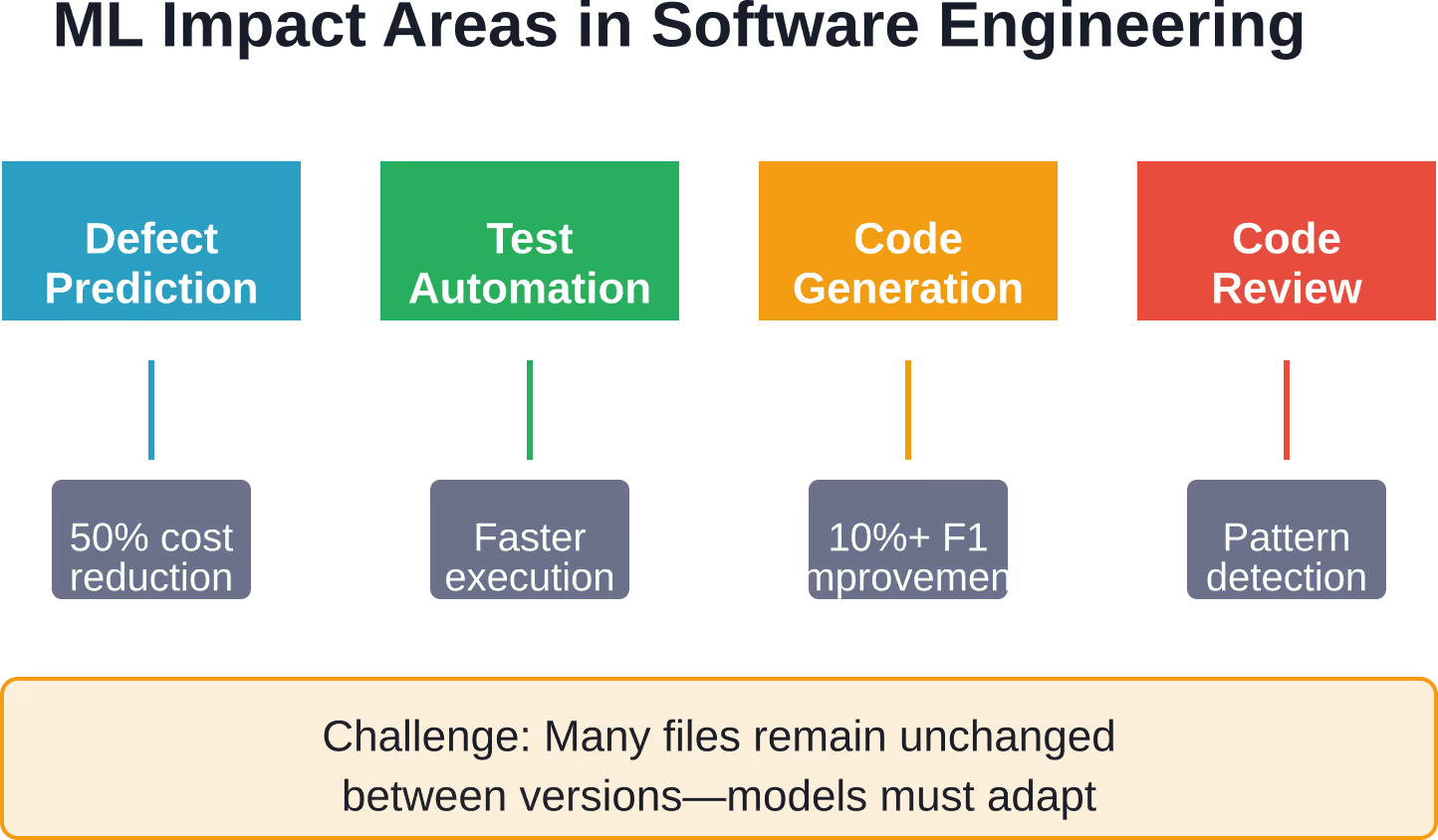
Machine learning-toepassingen in software-engineering zijn gegroepeerd rond een aantal belangrijke gebieden. Elk gebied pakt specifieke knelpunten in de ontwikkelingscyclus aan.
Softwarefoutvoorspelling
Het voorspellen waar bugs zullen opduiken voordat ze in productie gaan, bespaart zowel tijd als geld. Softwarekwaliteitsborging kan oplopen tot 501 TP3T aan totale ontwikkelingskosten – een enorme uitgave die met behulp van op machine learning gebaseerde defectvoorspellingen moet worden teruggedrongen.
Moderne methoden analyseren codewijzigingen op bestandsniveau en onderzoeken patronen die correleren met defecten. De uitdaging? Veel beweerde verbeteringen bleken statistische illusies te zijn, veroorzaakt door een gebrekkig experimenteel ontwerp.
Datasets uit de praktijk bevatten ruis. Deze problemen met de datakwaliteit hebben een directe invloed op de prestaties van modellen en de toepasbaarheid ervan in de praktijk.
Geautomatiseerd testen en testoptimalisatie
Testsuites groeien naarmate software evolueert. Het uitvoeren van elke test bij elke wijziging wordt onpraktisch traag. Testoptimalisatie op basis van machine learning selecteert de meest relevante tests op basis van codewijzigingen, uitvoeringsgeschiedenis en defectpatronen.
De volgende generatie testautomatisering maakt gebruik van machine learning om testgevallen te genereren, testfouten te voorspellen en overbodige tests te identificeren. Deze aanpak verschuift testen van puur reactief – het vinden van bugs nadat ze zijn geïntroduceerd – naar voorspellend, waardoor problemen eerder in de ontwikkelingscyclus worden opgespoord.
Codegeneratie en -aanvulling
Codetaalmodellen hebben hun effectiviteit bewezen bij het automatiseren van taken zoals het oplossen van bugs, het genereren van code en het documenteren. Deze modellen leren patronen uit miljoenen regels bestaande code.
Codetaalmodellen gebruiken configuraties voor de lengte van tokenreeksen op basis van een analyse van de distributiepatronen van codetokens.
Recente verbeteringen in codetaalmodellen zijn veelbelovend, waarbij sommige benaderingen aanzienlijke prestatiewinsten opleveren. Desondanks hebben deze modellen nog steeds moeite met het begrijpen van complexe code-semantiek en afhankelijkheden tussen bestanden.
De samenwerkingsuitdaging
Nu wordt het interessant. Het bouwen van softwaresystemen die gebruikmaken van machine learning vereist de samenwerking van drie verschillende groepen: datawetenschappers, software-engineers en operationele teams. Elk van hen brengt specialistische kennis mee. Elk gebruikt andere tools en terminologie.
Onderzoekers van Carnegie Mellon bestudeerden de samenwerkingsuitdagingen bij de ontwikkeling van machine learning-systemen door middel van interviews met professionals uit de sector. Het onderzoek bracht systematische discrepanties tussen workflows aan het licht. Datawetenschappers optimaliseren voor modelnauwkeurigheid. Software-engineers geven prioriteit aan onderhoudbaarheid en systeemintegratie. Operationele teams richten zich op betrouwbaarheid en monitoring.
Deze verschillende prioriteiten zorgen voor wrijving. Een model dat uitstekende nauwkeurigheid behaalt bij offline evaluatie, kan falen wanneer het in productiesystemen wordt geïntegreerd. Feature engineering die zinvol is in een Jupyter-notebook, wordt onbeheersbare technische schuld in productiecode.
Aannames expliciet maken
Een veelbelovende aanpak omvat machinaal leesbare beschrijvingen voor elementen van systemen die gebruikmaken van machine learning. Deze beschrijvingen maken de aannames van belanghebbenden expliciet, zoals dataformaten, modelinvoer, prestatie-eisen, updatefrequenties en faalmodi.
Wanneer aannames impliciet blijven, worden discrepanties pas tijdens de implementatie opgemerkt. Tegen de tijd dat problemen aan het licht komen, vereist het oplossen ervan aanzienlijk herwerk.
Datakwaliteit en experimentele nauwkeurigheid
De audit van onderzoek naar voorspellingen van softwarefouten bracht verontrustende patronen aan het licht. Onderzoekers analyseerden 101 geselecteerde artikelen en vonden aanzienlijke problemen in de gehele steekproef.
| Kwaliteitsindicator voor onderzoek | Vinden | Invloed |
|---|---|---|
| Artikelen met formele statistische tests | 45% | Meer dan de helft mist een rigoureuze validatie. |
| Artikelen achter betaalmuren | 50% | Beperkte toegang tot de bevindingen |
Eerlijk gezegd: deze kwaliteitsproblemen ondermijnen het vertrouwen in machine learning voor softwareontwikkeling. Wanneer ontwikkelaars de gepubliceerde resultaten niet kunnen reproduceren of merken dat geïmplementeerde modellen ondermaats presteren in vergelijking met gerapporteerde benchmarks, groeit de scepsis.
Praktische implementatiestrategieën
Organisaties die machine learning succesvol integreren in softwareontwikkeling volgen een aantal gemeenschappelijke patronen. Deze zijn niet revolutionair, maar eerder gedisciplineerde toepassingen van engineeringprincipes op machine learning-systemen.
Begin met de architectuur van de datapijplijn.
ML-modellen zijn volledig afhankelijk van de kwaliteit van de trainingsdata. Voordat u algoritmen selecteert of hyperparameters afstemt, moet u zorgen voor een robuuste dataverzameling en versiebeheer. Houd niet alleen de modelcode bij, maar ook de volledige data-herkomst: waar de trainingsdata vandaan komen, hoe ze zijn verwerkt en welke transformaties zijn toegepast.
Codebases evolueren stapsgewijs, waarbij veel bestanden ongewijzigd blijven tussen versies. Machine learning-modellen moeten hier effectief mee om kunnen gaan.
Hanteer standaard trainings-, test- en validatiesplitsingen.
Onderzoek maakt doorgaans gebruik van een 80/10/10-verdeling voor trainings-, validatie- en testsets. De validatieset dient als leidraad voor modelselectie en hyperparameteroptimalisatie. De testset – die tijdens de ontwikkeling nooit is gebruikt – levert de uiteindelijke prestatiebeoordeling op.
Klinkt dat bekend? Dat komt omdat het aansluit bij traditionele softwareontwikkelingspraktijken waarbij ontwikkel-, test- en productieomgevingen van elkaar gescheiden worden.
Implementeer continue evaluatie
ML-modellen verslechteren naarmate de dataverdeling verandert. Codepatronen veranderen. Nieuwe frameworks ontstaan. Bugtypen evolueren. Een model dat is getraind op historische data verliest geleidelijk aan relevantie.
Continue evaluatie volgt de prestaties van het model in de productieomgeving. Wanneer de nauwkeurigheid onder een bepaalde drempelwaarde daalt, activeren geautomatiseerde waarschuwingen een hertraining of een handmatige controle. Deze monitoring moet vanaf dag één in het systeem worden ingebouwd en niet later worden toegevoegd.
Risicomanagement en NIST-richtlijnen
Het National Institute of Standards and Technology heeft richtlijnen gepubliceerd voor het beheer van AI-risico's. Het raamwerk behandelt betrouwbaarheidsaspecten zoals nauwkeurigheid, betrouwbaarheid, veiligheid, beveiliging en transparantie.
Voor softwareontwikkelingsteams biedt het raamwerk een structuur voor het identificeren en beperken van ML-specifieke risico's. Modeluitkomsten zijn niet deterministisch. Fouten zien er vaak anders uit dan traditionele softwarefouten. Uitzonderlijke gevallen in de trainingsdata vertalen zich in onvoorspelbaar gedrag in de productieomgeving.
Organisaties die systemen bouwen die gebruikmaken van machine learning, moeten de risico's gedurende de volledige levenscyclus evalueren – van dataverzameling tot het uitfaseren van het model. Documentatie is essentieel. Teams hebben duidelijke gegevens nodig over modelversies, trainingsdatabronnen, prestatiemetingen en bekende beperkingen.
De evolutie van codetaalmodellen
Codetaalmodellen vertegenwoordigen een specifieke toepassing van machine learning die de manier waarop software wordt geschreven, verandert. Deze modellen analyseren enorme hoeveelheden bestaande code om patronen, idiomen en veelvoorkomende structuren te leren.
De belofte? Geautomatiseerde codeaanvulling, bugdetectie en zelfs volledige functiegeneratie op basis van beschrijvingen in natuurlijke taal. De realiteit is echter genuanceerder.
Modellen blinken uit in het genereren van standaardcode en veelvoorkomende patronen. Ze hebben echter moeite met domeinspecifieke logica, complexe algoritmen en het begrijpen van de bredere systeemarchitectuur. Een model dat voornamelijk is getraind op open-source repositories kan code genereren die in strijd is met eigen codeerstandaarden of beveiligingslekken introduceert.
De beperkingen van het contextvenster zijn van belang. Uitgebreidere contextvensters en gespecialiseerde trainingsdoelen lijken veelbelovend, maar er blijven fundamentele beperkingen bestaan.
Softwareteams opbouwen die ML-bewust zijn
Afgezien van de technische uitdagingen, bepaalt de organisatiestructuur het succes of falen van ML-initiatieven in softwareontwikkeling. Teams die zijn opgebouwd rond traditionele functionele silo's – aparte afdelingen voor data science, engineering en operations – hebben te maken met extra coördinatiekosten.
Crossfunctionele teams waarin ML-experts, software-engineers en operationele specialisten dagelijks samenwerken, verminderen wrijving. Gedeelde tools, een gemeenschappelijke terminologie en gezamenlijke verantwoordelijkheid voor de resultaten zorgen voor gelijke belangen.
Maar wacht even. Crossfunctionele teams brengen nieuwe uitdagingen met zich mee. Carrièrepaden worden minder duidelijk. Vaardigheidsontwikkeling wordt ingewikkelder wanneer rollen vervagen. Managementstructuren die ontworpen zijn voor functionele specialisatie passen niet.
Het korte antwoord? Er is geen universele oplossing. Organisaties experimenteren met verschillende structuren: data scientists ingebed in engineeringteams, roulerende taken, gecentraliseerde teams voor machine learning-platforms en hybride modellen.
Vooruitblik
De integratie van machine learning in softwareontwikkeling neemt steeds sneller toe. Technieken die in 2023 nog onderzoeksprojecten waren, zijn in 2026 al in productie. En dit tempo lijkt niet af te nemen.
Een aantal trends verdient aandacht. Ten eerste zullen de mogelijkheden voor geautomatiseerde codegeneratie toenemen, maar menselijk toezicht blijft essentieel. Ten tweede zullen de interpreteerbaarheid en verklaarbaarheid van modellen vereisten worden in plaats van wenselijke eigenschappen, met name in gereguleerde sectoren. Ten derde zal de standaardisatie van ML-engineeringpraktijken – versiebeheer, testen, implementatie – zich verder ontwikkelen naarmate het vakgebied stabiliseert.
De uitdagingen op het gebied van samenwerking tussen datawetenschappers, software-engineers en operationele teams zullen niet verdwijnen. Tools en processen zullen verbeteren, maar fundamenteel verschillende perspectieven vereisen voortdurende communicatie en wederzijds begrip.
Organisaties die machine learning (ML) slechts als een softwarecomponent beschouwen, zullen het moeilijk hebben. Organisaties die erkennen dat ML-systemen nieuwe engineeringpraktijken, risicobeheerbenaderingen en organisatiestructuren vereisen, zullen concurrentievoordelen behalen.
Veelgestelde vragen
Welke programmeertalen moeten software-engineers leren voor machine learning?
Python domineert machine learning-toepassingen dankzij de uitgebreide bibliotheekondersteuning, waaronder TensorFlow, PyTorch en scikit-learn. R blijft relevant voor statistische analyses. Voor productiesystemen is kennis van Java, Go of C++ nuttig voor integratie en prestatieoptimalisatie. De belangrijkste vaardigheid is niet de syntaxis van de programmeertaal, maar het begrijpen wanneer machine learning moet worden toegepast in plaats van traditionele softwarebenaderingen.
Hoeveel trainingsdata heeft een machine learning-model nodig voor softwareontwikkelingstaken?
De vereisten variëren sterk per taak. Eenvoudige modellen voor het voorspellen van defecten kunnen effectief getraind worden op honderden voorbeelden. Modellen voor codegeneratie vereisen miljoenen regels code. Datakwaliteit is belangrijker dan kwantiteit: schone, representatieve data met de juiste labels presteren beter dan enorme, ruisrijke datasets. Begin klein, meet de prestaties en breid de datasets uit op basis van waargenomen beperkingen in plaats van willekeurige streefwaarden voor de omvang.
Kan machine learning handmatige codebeoordeling volledig vervangen?
Nee. ML-tools ondersteunen menselijke beoordelaars door potentiële problemen te signaleren, patronen te identificeren en afwijkingen aan te tonen. Ze blinken uit in het opsporen van veelvoorkomende fouten en bekende bugpatronen. Menselijke beoordelaars blijven essentieel voor het begrijpen van de bedrijfslogica, het evalueren van architectuurkeuzes en het beoordelen van de onderhoudbaarheid. De meest effectieve aanpak combineert geautomatiseerde, op ML gebaseerde analyses met menselijke expertise.
Wat zijn de grootste risico's van het gebruik van machine learning in softwareontwikkeling?
Modeldrift als gevolg van veranderende codepatronen en -vereisten vormt het grootste operationele risico. Problemen met de kwaliteit van trainingsdata introduceren systematische vertekeningen en onjuiste voorspellingen. De complexiteit van de integratie tussen ML-componenten en traditionele software zorgt voor onderhoudsproblemen. Overmatig vertrouwen op ML-voorspellingen zonder menselijk toezicht leidt tot een opeenstapeling van fouten. Organisaties moeten continue monitoring implementeren en duidelijke escalatieprocedures hanteren wanneer modellen twijfelachtige resultaten opleveren.
Hoe meet je het rendement op investeringen in machine learning in softwareontwikkeling?
Houd specifieke meetwaarden bij die gekoppeld zijn aan bedrijfsresultaten. Voor defectvoorspelling meet u de vermindering van productiefouten en de tijdsbesparing bij handmatig testen. Voor codegeneratie kwantificeert u de tijdsbesparing voor ontwikkelaars en de kwaliteitsmetrieken van de code. Voor testoptimalisatie meet u de verbeteringen in de snelheid van de CI/CD-pipeline en de verlaging van de rekenkosten. Vergelijk deze voordelen met de totale kosten, inclusief modelontwikkeling, data-infrastructuur en doorlopend onderhoud. De meeste organisaties zien een terugverdientijd van 6-12 maanden voor goed afgebakende ML-initiatieven.
Wat is het verschil tussen MLOps en traditionele DevOps?
MLOps breidt DevOps-praktijken uit om ML-specifieke uitdagingen aan te pakken. Traditionele DevOps richt zich op code-implementatie, infrastructuurbeheer en monitoring. MLOps voegt daar dataversiebeheer, modeltrainingspipelines, experimenttracking en prestatiemonitoring voor modelvoorspellingen aan toe. MLOps moet omgaan met niet-deterministisch gedrag: modellen produceren verschillende outputs bij identieke inputs, afhankelijk van de trainingsdata en willekeurige initialisatie. Ook de infrastructuurvereisten verschillen, vaak met GPU-acceleratie en mogelijkheden voor gedistribueerde training.
Moeten software-engineers data science leren of moeten data scientist-engineers software engineering leren?
Beide richtingen leveren waarde op. Software-engineers die de basisprincipes van machine learning leren, krijgen een beter begrip van modelbeperkingen, integratievereisten en productieoverwegingen. Datawetenschappers die software-engineeringvaardigheden ontwikkelen, schrijven beter onderhoudbare code, ontwerpen betere API's en werken effectiever samen met engineeringteams. De ideale situatie is niet volledige rolconvergentie, maar T-vormige vaardigheden: diepgaande expertise op één gebied met een brede kennis van het andere. Organisaties hebben zowel specialisten als mensen nodig die disciplines met elkaar verbinden.
Conclusie
Machine learning transformeert softwareontwikkeling van een puur door mensen gedreven activiteit naar een hybride proces waarbij algoritmen de menselijke capaciteiten aanvullen. De integratie verloopt niet vlekkeloos; er blijven uitdagingen bestaan op het gebied van samenwerking, datakwaliteit en experimentele nauwkeurigheid.
Succes vereist meer dan alleen het implementeren van algoritmes. Organisaties moeten hun teamstructuren, ontwikkelingsprocessen en risicobeheer herzien. Technische vaardigheden zijn belangrijk, maar communicatie, documentatie en een gedeeld begrip tussen verschillende disciplines zijn dat ook.
Het vakgebied blijft dynamisch. Technieken verbeteren. Tools worden volwassener. Best practices ontstaan uit moeizaam verworven ervaring. Software-engineers die zich bekwamen in machine learning en datawetenschappers die de principes van software-engineering leren, positioneren zich in het hart van deze transformatie.
Begin klein. Kies één waardevolle toepassing. Bouw stapsgewijs expertise op. Meet de resultaten nauwkeurig. Leer van fouten. Deel kennis tussen teams. De organisaties die softwareontwikkeling met behulp van machine learning beheersen, zullen de volgende generatie ontwikkelingsmethoden bepalen.
 Dutch
Dutch  English
  German
  Arabic
  French
  Spanish