
Resumen rápido: El aprendizaje automático está transformando la práctica jurídica al automatizar la revisión de documentos, predecir los resultados de los casos y optimizar la investigación; tareas que antes requerían cientos de horas de trabajo de los abogados. Si bien estos sistemas no pueden replicar el juicio humano, utilizan el reconocimiento de patrones y las correlaciones estadísticas para gestionar el trabajo legal repetitivo con rapidez y precisión, lo que está redefiniendo el funcionamiento de los bufetes de abogados.
El trabajo jurídico siempre ha sido intenso. Revisar contratos, investigar precedentes y analizar documentos de descubrimiento de pruebas exige horas de atención meticulosa por parte de abogados capacitados. Pero algo está cambiando.
El aprendizaje automático —una rama de la inteligencia artificial que aprende patrones a partir de datos— está empezando a encargarse de tareas que antes parecían exclusivas de la experiencia humana. No se trata de decisiones cruciales ni de estrategias en los tribunales, sino del análisis repetitivo que ocupa gran parte del día a día de un abogado.
Según Harry Surden, de la Facultad de Derecho de la Universidad de Colorado, los algoritmos de aprendizaje automático pueden detectar patrones en los datos y aplicarlos para automatizar tareas específicas. Esta tecnología produce resultados que se aproximan a los que habría obtenido una persona en una situación similar, pero sin requerir inteligencia ni comprensión profundas.
Esa distinción es importante. Porque si bien la práctica jurídica requiere habilidades cognitivas avanzadas, ciertos componentes pueden automatizarse mediante técnicas computacionales no inteligentes que utilizan correlaciones estadísticas.
Cómo funciona realmente el aprendizaje automático en contextos legales
El aprendizaje automático no “piensa” como un abogado. En cambio, reconoce patrones.
Si se le proporcionan miles de contratos, el sistema aprende qué cláusulas suelen aparecer juntas, qué lenguaje indica riesgo y qué desviaciones de los formularios estándar justifican la revisión humana. Si se le muestran años de resultados de casos con sus hechos subyacentes, identifica correlaciones entre las características de los casos y las decisiones judiciales.
El proceso depende de los datos de entrenamiento. Los algoritmos mejoran con el tiempo a medida que procesan más ejemplos, perfeccionando su reconocimiento de patrones y sus predicciones. Fuera del ámbito legal, estas técnicas ya se utilizan en la traducción de idiomas, la detección de fraudes y el reconocimiento facial, tareas que antes se creían que requerían inteligencia humana.
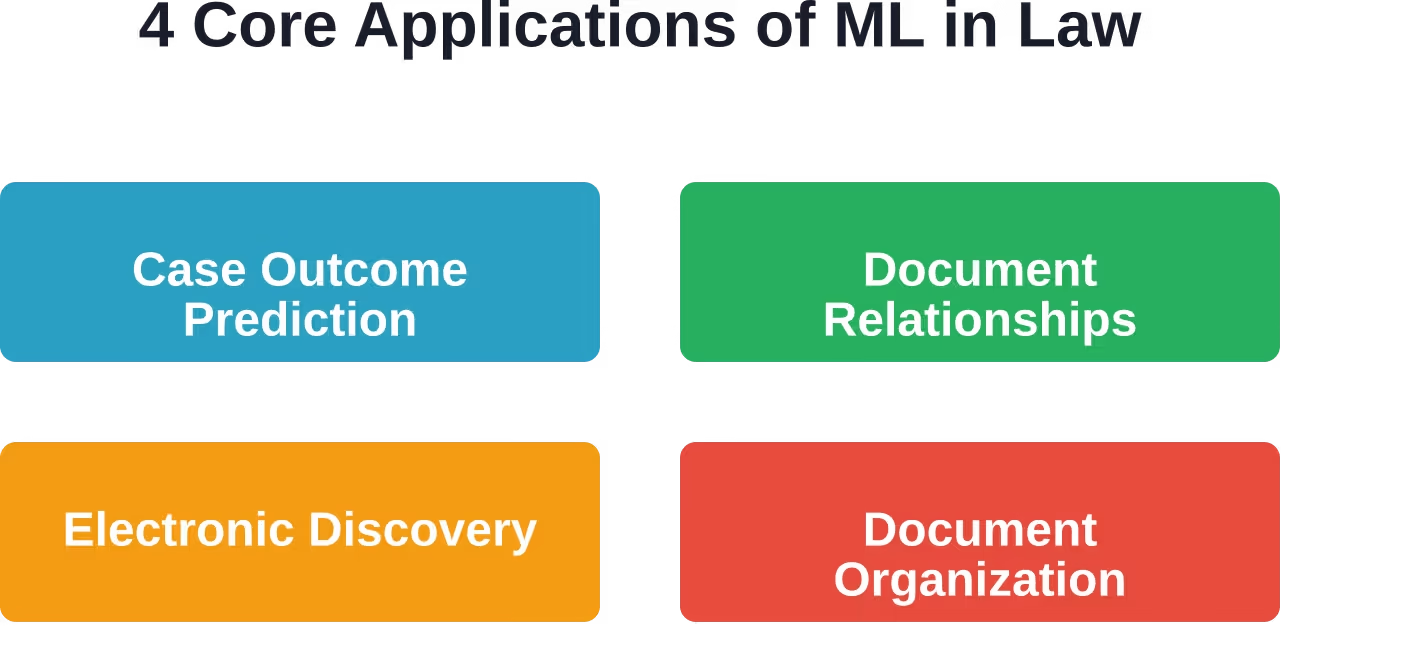
En la práctica jurídica concreta, esta tecnología destaca en cuatro aplicaciones principales: la predicción de los resultados de los casos, la detección de relaciones ocultas en los documentos, el descubrimiento electrónico de pruebas y la organización automatizada de documentos.
El cambio en la productividad: cifras reales de los bufetes de abogados
¿Esto realmente ahorra tiempo? ¿O es solo una estrategia de marketing de los proveedores de tecnología legal?
Según investigaciones realizadas en proyectos piloto de grandes bufetes de abogados, se ha documentado un ahorro de tiempo en ciertas aplicaciones. En litigios de gran volumen, un sistema de respuesta a quejas redujo el tiempo que los abogados dedicaban a ciertas tareas de 16 horas a tan solo 3 o 4 minutos.
No es un error tipográfico. Dieciséis horas con cuatro minutos de diferencia.
Ahora bien, esto se aplica a la generación de documentos repetitivos y especializados en litigios masivos; no todas las tareas legales muestran un cambio tan drástico. Pero la tendencia general se mantiene: el aprendizaje automático sobresale en el procesamiento de grandes volúmenes de datos que siguen patrones reconocibles.
La revisión de contratos representa otra área donde la tecnología ofrece un impacto tangible. Los sistemas pueden detectar posibles problemas en los contratos y automatizar tareas de gestión como el seguimiento de las fechas de vencimiento y la identificación de oportunidades de renovación. Tareas que antes ocupaban días a los empleados junior ahora se realizan en minutos.
El lugar que ocupa el aprendizaje automático en la práctica jurídica
Las aplicaciones se dividen en varias categorías prácticas.
Revisión de documentos y descubrimiento electrónico
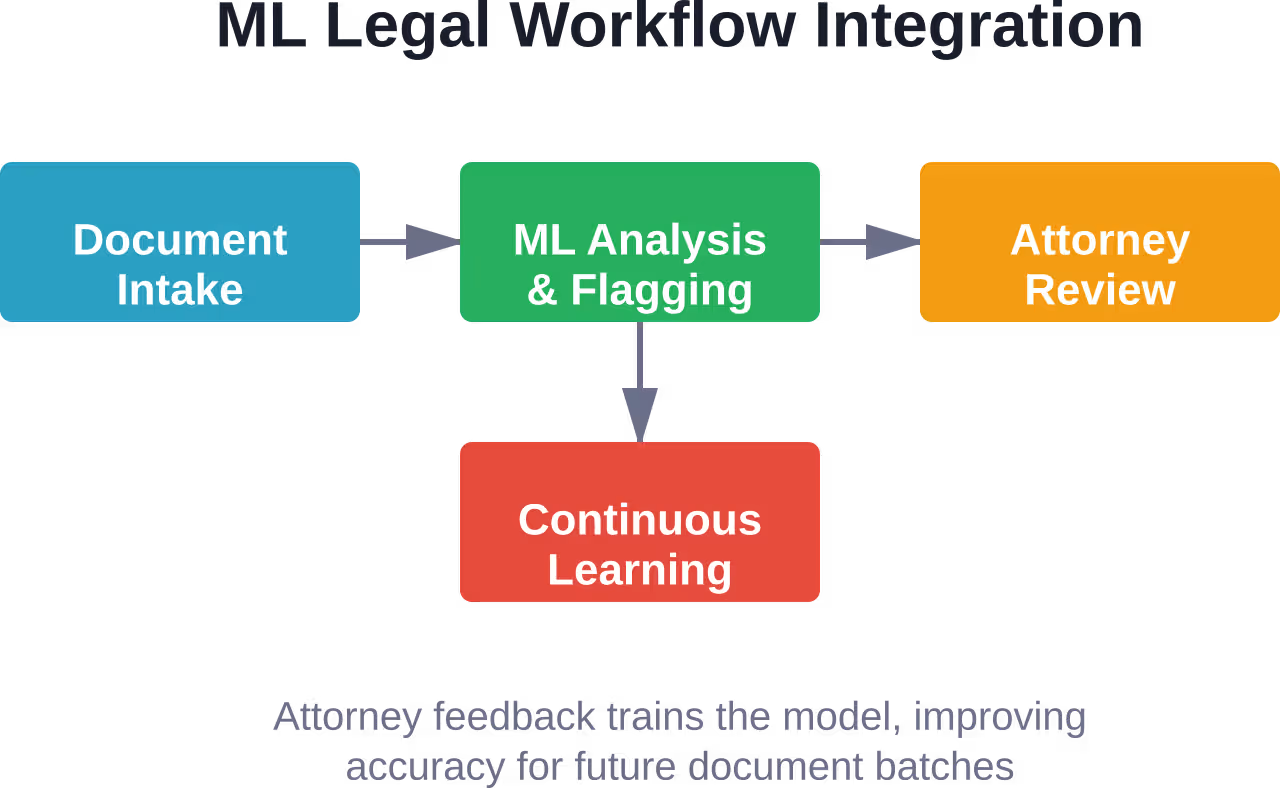
En litigios complejos, la fase de descubrimiento de pruebas puede involucrar millones de documentos. Los abogados deben identificar cuáles son relevantes, confidenciales o responden a solicitudes específicas. Los sistemas de aprendizaje automático aprenden de ejemplos etiquetados por los abogados y luego aplican esos patrones a los documentos restantes.
Esta tecnología no sustituye la revisión legal, sino que le da prioridad. En lugar de revisar cada documento de forma secuencial, los abogados se centran en los elementos que el algoritmo señala como potencialmente relevantes o problemáticos.
Análisis y gestión de contratos
Los contratos siguen patrones. Las cláusulas estándar aparecen en lugares predecibles, y las desviaciones de los términos del mercado señalan puntos de negociación o riesgos. Los algoritmos de aprendizaje automático entrenados con bases de datos de contratos pueden:
- Extrae automáticamente los términos clave y las fechas límite.
- Marcar el lenguaje no estándar que se desvía de las plantillas.
- Identificar las cláusulas faltantes que suelen aparecer en acuerdos similares.
- Realizar un seguimiento de las obligaciones y las fechas de renovación en todas las carteras de contratos.
Esto no elimina la necesidad de que un abogado defina si ciertos términos son aceptables. Pero acelera considerablemente la identificación de lo que requiere criterio legal.
Investigación jurídica y análisis de precedentes
Encontrar jurisprudencia relevante siempre ha sido una combinación de arte y ciencia. El aprendizaje automático añade una nueva dimensión: los algoritmos pueden identificar casos con patrones fácticos similares, incluso cuando utilizan terminología diferente, reconocer tendencias judiciales y descubrir precedentes que las búsquedas por palabras clave podrían pasar por alto.
Estos sistemas analizan no solo el texto, sino también las relaciones: qué casos citan a otros, cómo los tribunales tratan argumentos específicos y cómo evolucionan los principios legales en las distintas jurisdicciones.
Predicción de resultados
Quizás la aplicación más interesante sea predecir cómo se resolverán los casos. Al analizar miles de casos anteriores —sus hechos, historial procesal, partes, jueces y resultados—, los modelos de aprendizaje automático pueden estimar las probabilidades de diferentes resultados.
No son bolas de cristal. Pero proporcionan información basada en datos que sirve de base para las negociaciones de acuerdos, los presupuestos de litigios y las decisiones estratégicas sobre si proceder con las demandas o defenderse.

Utilice el aprendizaje automático en los flujos de trabajo legales con IA superior.
Los entornos legales generan grandes cantidades de información estructurada y no estructurada, incluidos contratos, documentos de casos, registros de cumplimiento y materiales regulatorios. IA superior Pueden ayudar a las organizaciones a aplicar métodos de aprendizaje automático y PLN para mejorar los flujos de trabajo de análisis y procesamiento de datos legales. Su trabajo abarca consultoría en IA, PLN, aprendizaje automático, ciencia de datos, desarrollo de software de IA y creación de pruebas de concepto.
AI Superior puede brindar soporte a proyectos legales de aprendizaje automático a través de:
- Procesamiento de conjuntos de datos legales y reglamentarios
- Desarrollo de flujos de trabajo de PLN para el análisis de documentos
- Desarrollo de sistemas de automatización legal de prueba de concepto
- Clasificación y extracción de información jurídica
- Validación de la precisión y consistencia del modelo.
- Planificación de la integración para plataformas legales internas
En el ámbito jurídico, esto puede aplicarse a la clasificación de documentos, el análisis de contratos, los sistemas de búsqueda legal, la supervisión del cumplimiento normativo y la automatización de flujos de trabajo.
👉Contacta con IA Superior revisar el caso de uso legal y el alcance de la implementación.
Marco jurídico y ético
La adopción de tecnología en el ámbito jurídico no se produce en un vacío regulatorio.
Las agencias federales han tomado nota del potencial de sesgo y discriminación de los sistemas de IA. Según una declaración conjunta de la Comisión Federal de Comercio, la Oficina de Protección Financiera del Consumidor, el Departamento de Justicia y la Comisión para la Igualdad de Oportunidades en el Empleo (25 de abril de 2023), las medidas de control se centran en la discriminación y el sesgo en los sistemas automatizados.
El Departamento de Justicia también ha publicado directrices sobre inteligencia artificial y derechos civiles, reconociendo que la toma de decisiones algorítmica puede perpetuar o amplificar los prejuicios existentes si no se diseña y supervisa cuidadosamente.
Para los bufetes de abogados y los departamentos jurídicos, esto plantea dos dilemas. En primer lugar, deben garantizar que su propio uso de herramientas de aprendizaje automático cumpla con las normas de responsabilidad profesional en materia de competencia, confidencialidad y supervisión. En segundo lugar, asesoran cada vez más a sus clientes sobre las implicaciones legales de la implementación de sistemas de IA en contextos regulados.
Como señaló Cary Coglianese, catedrático de Derecho y de Ciencias Políticas en la Facultad de Derecho de Penn, en relación con la política federal sobre IA, el uso gubernamental de sistemas de inteligencia artificial requiere una supervisión rigurosa para garantizar la imparcialidad y la precisión. Estos mismos principios se aplican a la práctica jurídica.
Derechos de autor y acceso: El desafío de los datos
El aprendizaje automático requiere datos de entrenamiento, a menudo cantidades ingentes. En el ámbito jurídico, esto incluye contratos, jurisprudencia, alegatos y otros documentos. Pero, ¿quién es el propietario de esos datos y cómo se pueden utilizar?
Una investigación de la Facultad de Derecho de la Universidad de Emory examinó el panorama legal de la minería de texto y el aprendizaje automático, en particular en lo que respecta a los derechos de autor. Los casos del Gremio de Autores establecieron que reproducir obras protegidas por derechos de autor como un paso en el descubrimiento de conocimiento mediante la minería de datos textuales constituye un uso legítimo: un propósito transformador y no expresivo.
Este precedente es importante para el desarrollo de la IA jurídica. Los sistemas generalmente pueden entrenarse con materiales legales protegidos por derechos de autor para fines de análisis sin infringirlos. Sin embargo, la visualización de resultados, el intercambio de obras derivadas y los flujos de datos transfronterizos introducen complejidades adicionales que van más allá de esos derechos fundamentales.
Lo que los abogados realmente necesitan saber
Esta es la realidad práctica: los abogados no necesitan convertirse en científicos de datos. Pero sí necesitan los conocimientos técnicos suficientes para tomar decisiones informadas sobre qué herramientas usar, cómo supervisar sus resultados y cuándo el juicio humano sigue siendo esencial.
Eso significa comprender:
- Qué puede y qué no puede hacer el aprendizaje automático: reconocimiento de patrones frente a razonamiento.
- Cómo la calidad y el sesgo de los datos de entrenamiento afectan a los resultados.
- Cuándo confiar en las recomendaciones algorítmicas y cuándo cuestionarlas.
- Cómo explicar el trabajo asistido por IA a clientes y tribunales
- ¿Qué tareas se benefician de la automatización y cuáles requieren experiencia humana?
Las obligaciones de competencia consagradas en las normas de conducta profesional ahora se extienden a la alfabetización tecnológica. Los abogados deben comprender las herramientas que utilizan lo suficientemente bien como para emplearlas de forma responsable.
Implicaciones del modelo de negocio
El aprendizaje automático no solo cambia la forma en que se realiza el trabajo legal, sino que también cambia la forma en que los bufetes de abogados ganan dinero.
Los modelos tradicionales de facturación por horas generan un incentivo perverso: la eficiencia reduce los ingresos. Cuando la tecnología reduce una tarea de 16 horas a 4 minutos, no se trata solo de una mejora en la productividad, sino de una crisis de precios.
Las empresas que experimentan con herramientas de IA se enfrentan a decisiones sobre si trasladar los ahorros a los clientes mediante comisiones más bajas, mantener los precios pero aumentar los márgenes, o cambiar a acuerdos de comisiones alternativos que alineen mejor los incentivos en torno a la eficiencia.
Algunos despachos están adoptando precios basados en el valor, donde los clientes pagan por los resultados y la experiencia, en lugar del tiempo invertido. El aprendizaje automático hace que este modelo sea más viable al reducir el riesgo económico de las tarifas fijas: las empresas pueden ofrecer resultados de calidad sin una inversión de tiempo ilimitada.
| Área de práctica | Aplicación de aprendizaje automático | Beneficio principal |
|---|---|---|
| Litigio | Automatización de la revisión de documentos | Costes de descubrimiento reducidos |
| Corporativo | Análisis de contratos | Cierre de tratos más rápido |
| Regulador | Monitoreo de cumplimiento | detección temprana de riesgos |
| Propiedad intelectual | Búsquedas de estado de la técnica anterior | Investigación exhaustiva |
| Empleo | Análisis de políticas | Verificación de la coherencia |
Mirando hacia el futuro: ¿Qué nos depara el futuro?
Los sistemas de IA generativa como ChatGPT, lanzado por OpenAI, representan una categoría distinta al aprendizaje automático tradicional. Estos modelos conversacionales, que utilizan GPT-4.5, pueden redactar textos, responder preguntas y dialogar. Sin embargo, como reconocen sus desarrolladores, la tecnología aún se encuentra en sus primeras etapas y todavía no puede proporcionar respuestas con una precisión de 100%.
La distinción es importante. El aprendizaje automático sobresale en tareas específicas y bien definidas, con datos de entrenamiento claros y precisión medible. Los sistemas generativos ofrecen mayor capacidad, pero menor predictibilidad: pueden producir resultados que suenan plausibles, pero que son incorrectos.
En el ámbito jurídico, esto genera tanto oportunidades como riesgos. Estas herramientas pueden agilizar la redacción y la investigación, pero requieren una verificación minuciosa. El criterio y la responsabilidad del abogado siguen siendo fundamentales, independientemente de la tecnología utilizada.
Según datos citados en análisis del sector, el mercado global de inteligencia artificial se estimó en 1.597.100 millones de dólares en 2022 y se prevé que alcance los 1.597.100 millones de dólares en 2030. El sector legal representa un segmento pequeño, pero en crecimiento, de dicho mercado.
El factor humano sigue siendo fundamental.
A pesar del revuelo y la preocupación que ha generado la idea de que la IA reemplace a los abogados, la realidad es más compleja.
El aprendizaje automático automatiza tareas, no empleos. Se encarga de los componentes de reconocimiento de patrones del trabajo legal: la revisión de documentos, la búsqueda de precedentes, la comparación de contratos. Lo que no puede hacer es comprender los objetivos del cliente, emitir juicios en situaciones ambiguas, desarrollar teorías legales creativas ni brindar el asesoramiento estratégico que define una práctica legal sofisticada.
Las aplicaciones más exitosas complementan las capacidades de los abogados en lugar de reemplazarlas. La tecnología gestiona el volumen y la velocidad; los humanos aportan criterio y estrategia. Esta colaboración ofrece mejores resultados que los que cualquiera de las partes podría obtener por separado.
Pero sí requiere adaptación. Los abogados que se incorporan al ejercicio de la abogacía hoy en día necesitan habilidades diferentes a las de hace una generación: menos énfasis en la mecánica de la investigación manual y más en la supervisión tecnológica, la alfabetización digital y los elementos intrínsecamente humanos de la defensa y el asesoramiento.
Preguntas frecuentes
¿Cuál es la diferencia entre aprendizaje automático e inteligencia artificial en contextos legales?
La inteligencia artificial (IA) es la categoría más amplia: cualquier sistema informático que realiza tareas que normalmente requieren inteligencia humana. El aprendizaje automático (AA) es una técnica específica de IA en la que los algoritmos aprenden patrones a partir de datos, en lugar de seguir reglas programadas explícitamente. En el ámbito jurídico, el aprendizaje automático impulsa aplicaciones específicas como la revisión de documentos y la predicción de resultados, mientras que la IA abarca estas y otras tecnologías como el procesamiento del lenguaje natural y los sistemas expertos.
¿Pueden los sistemas de aprendizaje automático ejercer la abogacía o proporcionar asesoramiento legal?
No. Los sistemas de aprendizaje automático carecen del razonamiento, el juicio y la comprensión necesarios para el ejercicio de la abogacía. Pueden analizar patrones e identificar problemas, pero no pueden ejercer un juicio profesional, comprender los objetivos del cliente ni adaptar la estrategia legal a circunstancias particulares. Los abogados siguen siendo responsables de todo el asesoramiento legal y del trabajo realizado, incluso cuando la tecnología les ayuda a producirlo. Las normas sobre el ejercicio no autorizado de la abogacía siguen vigentes.
¿Qué tan precisas son las predicciones del aprendizaje automático en casos legales?
La precisión varía considerablemente según la tarea específica, la calidad de los datos de entrenamiento y las características del caso. En áreas bien definidas con amplios datos históricos, como ciertos tipos de resoluciones judiciales o rangos de acuerdos, los sistemas pueden alcanzar niveles de precisión útiles. Sin embargo, los resultados legales dependen de muchos factores que los algoritmos tienen dificultades para capturar: el temperamento del juez, la credibilidad de los testigos, la composición del jurado y la evolución de las normas legales. Las predicciones ofrecen orientación probabilística, no certeza.
¿Cuáles son los principales riesgos del uso del aprendizaje automático en la práctica jurídica?
Entre los principales riesgos se incluyen: el sesgo algorítmico que perpetúa patrones discriminatorios a partir de los datos de entrenamiento; la dependencia excesiva de los resultados del sistema sin una revisión humana adecuada; las violaciones de la confidencialidad si los sistemas no están debidamente protegidos; los errores derivados de datos de entrenamiento incompletos o sesgados; y las violaciones de la responsabilidad profesional si los abogados no comprenden lo suficiente las herramientas que utilizan como para supervisarlas de manera competente. Una implementación adecuada requiere la debida diligencia técnica y un monitoreo continuo.
¿Los clientes deben dar su consentimiento para que los bufetes de abogados utilicen herramientas de aprendizaje automático?
Las normas de responsabilidad profesional exigen el consentimiento informado para los términos del contrato, pero no obligan específicamente a revelar todas las tecnologías utilizadas. Las mejores prácticas sugieren transparencia: explicar cómo se utilizarán las herramientas de IA, cómo afectan a los precios o los plazos, y qué medidas de seguridad protegen la confidencialidad. Algunas jurisdicciones pueden desarrollar requisitos de divulgación específicos a medida que la tecnología se generaliza. Las cartas de compromiso abordan cada vez más el uso de la tecnología de forma explícita.
¿Reducirá el aprendizaje automático la demanda de abogados?
La tecnología transformará la labor de los abogados, pero no eliminará la profesión. Las tareas rutinarias que implican el reconocimiento de patrones se automatizarán cada vez más, pero la práctica jurídica requiere criterio, creatividad e interacción humana, cualidades que aún escapan a la capacidad de la IA. El resultado probable es una evolución de los roles: menos tiempo dedicado a la revisión de documentos y la investigación, y más a la estrategia, la negociación y el asesoramiento al cliente. La formación inicial podría cambiar a medida que evolucionen las tareas de los abogados jóvenes.
¿Cómo deberían evaluar los bufetes de abogados las herramientas de aprendizaje automático antes de adoptarlas?
La evaluación debe abarcar: la trayectoria y la estabilidad financiera del proveedor; la seguridad y la confidencialidad de los datos; las fuentes de datos de capacitación y los posibles sesgos; las métricas de precisión para las tareas relevantes; la integración con los sistemas existentes; el análisis de costo-beneficio; los requisitos de capacitación del usuario; y el cumplimiento ético. Muchas empresas comienzan con proyectos piloto en aplicaciones de bajo riesgo antes de una implementación más amplia. Las aseguradoras de responsabilidad profesional pueden ofrecer orientación sobre la evaluación de tecnologías.
Reflexiones finales
El aprendizaje automático en el ámbito jurídico no es algo que vaya a llegar, sino una realidad. La cuestión no es si debemos adoptar esta tecnología, sino cómo hacerlo de forma competente y ética.
Para los abogados, esto significa desarrollar la alfabetización técnica necesaria para tomar decisiones informadas sobre herramientas y supervisión. Para los bufetes de abogados, implica replantear los flujos de trabajo, los modelos de precios y los programas de formación. Para la profesión, significa actualizar los estándares de competencia y las directrices éticas para adaptarlos a la práctica asistida por IA.
La tecnología no sustituirá el criterio jurídico, pero sí modificará las tareas que lo requieren y la forma en que los abogados distribuyen su tiempo. Los despachos y profesionales que integren estas herramientas de manera eficaz, manteniendo los estándares profesionales, ofrecerán servicios jurídicos mejores, más rápidos y más rentables.
El futuro de la práctica jurídica reside en la experiencia humana amplificada por la inteligencia artificial; no en una u otra, sino en la combinación estratégica de ambas.
Comience a explorar cómo el aprendizaje automático puede optimizar los flujos de trabajo legales en áreas relevantes para su trabajo. Si bien existe una curva de aprendizaje, la ventaja competitiva para quienes lo adopten de forma temprana y reflexiva es considerable.
 Spanish
  English
  German
  Arabic
  French
  Dutch
Dutch