Korte samenvatting: Machine learning transformeert de rechtshandhaving door middel van voorspellende politiemethoden, het herkennen van misdaadpatronen en geautomatiseerde data-analyse. Hoewel deze AI-toepassingen meer efficiëntie en objectiviteit beloven, roepen ze ook aanzienlijke zorgen op over algoritmische vooringenomenheid, transparantie en burgerrechten.
Rechtshandhavingsinstanties moeten een evenwicht vinden tussen innovatie en verantwoording om ervoor te zorgen dat deze instrumenten de rechtspraak op een eerlijke manier dienen.
Kunstmatige intelligentie is van sciencefiction uitgegroeid tot een realiteit op straatniveau. Politie- en justitieorganisaties in het hele land zetten machine learning-tools in om criminaliteit te voorspellen, patronen te herkennen en middelen efficiënter in te zetten.
Maar maakt de technologie haar belofte waar? En wat gebeurt er als algoritmes dezelfde vooroordelen overnemen die ze juist hadden moeten elimineren?
Volgens het National Institute of Justice veranderen AI-toepassingen de manier waarop wetshandhavers te werk gaan – van telefoons en auto's tot financiën en medische zorg, met toepassingen in openbare veiligheid en strafrecht. De technologie is er, en ze hervormt het strafrecht op ingrijpende wijze.
Wat machine learning voor de rechtshandhaving betekent
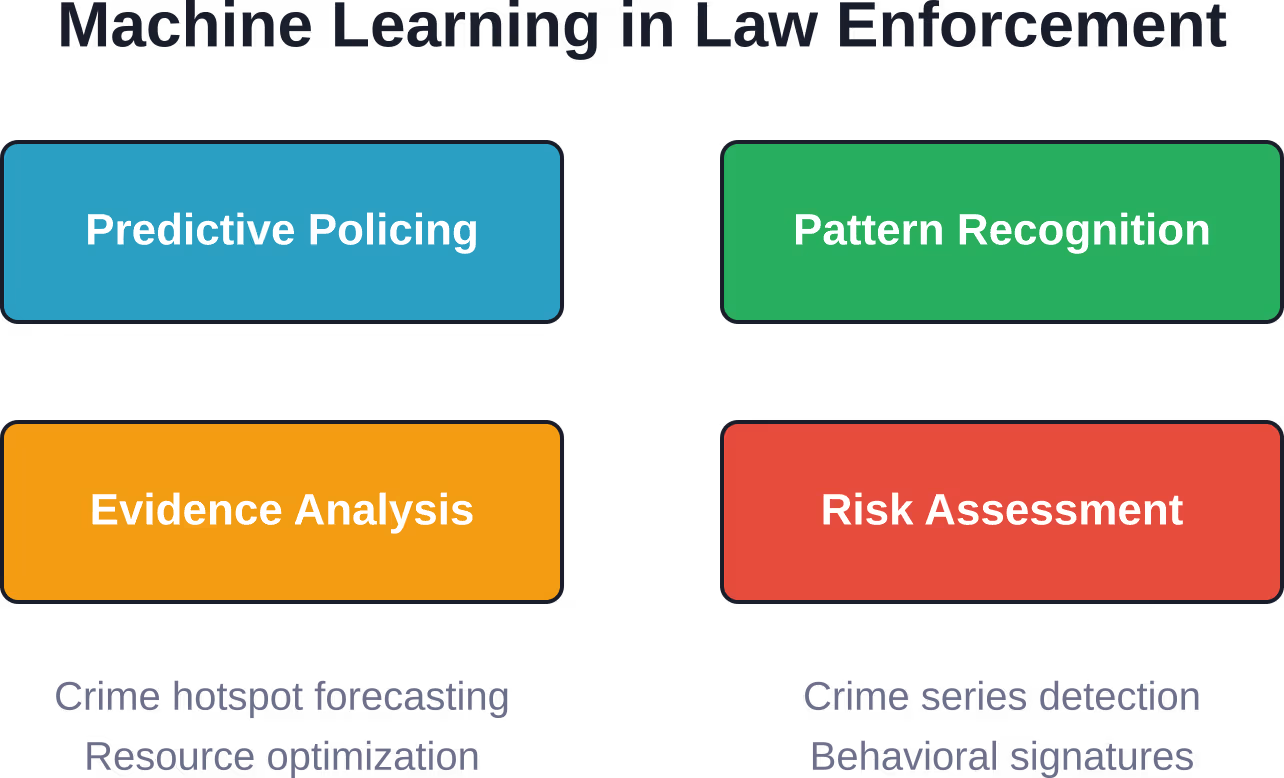
Machine learning-algoritmen blinken uit in het vinden van patronen in enorme datasets die menselijke analisten zouden missen. Politieorganisaties gebruiken deze tools op diverse gebieden: voorspellende politiewerkzaamheden, misdaadopsporing, bewijsmateriaalanalyse en toewijzing van middelen.
Patroonherkenningssoftware, zoals Patternizer van de NYPD, identificeert misdaadpatronen door incidentrapporten, locaties en tijdsgebonden gegevens te analyseren. Patroonherkenningssoftware verwerkt gestructureerde en ongestructureerde data en zet politierapporten, arrestatieverslagen en meldkamerlogboeken om in bruikbare informatie.
Misdaadvoorspellingssystemen analyseren historische gegevens om te voorspellen waar en wanneer misdaden het meest waarschijnlijk zullen plaatsvinden. Hierdoor kunnen instanties agenten proactief inzetten in plaats van reactief.
Kernapplicaties in de strafrechtspraak
Rechtshandhavingsinstanties zetten machine learning in op verschillende belangrijke gebieden:
- Voorspellende politiewerkzaamheden: Het voorspellen van criminaliteitshotspots en -tijden op basis van historische patronen.
- Patroonherkenning: Het identificeren van serieplegers, misdaadreeksen en gedragspatronen.
- Bewijsbeheer: Analyse van beelden van bodycams, digitaal bewijsmateriaal en forensische gegevens.
- Monitoring van het dark web: Het infiltreren van criminele online netwerken en het opsporen van illegale activiteiten.
- Risicobeoordeling: Het beoordelen van de kans op recidive en beslissingen over voorlopige vrijlating.
Ontwikkel machine learning-systemen voor wetshandhaving met superieure AI.
Rechtshandhavingsorganisaties werken vaak met operationele gegevens, rapporten, surveillance-informatie en onderzoeksverslagen die een gestructureerde analyse vereisen. AI Superior Ze kunnen machine learning-projecten ondersteunen die zich richten op data-analyse en anomaliedetectie. Hun expertise omvat AI-consultancy, machine learning, data science, AI-softwareontwikkeling en proof-of-concept-implementatie.
AI Superior kan projecten op het gebied van wetshandhaving ondersteunen met:
- Analyse van operationele en onderzoeksgegevens
- Ontwikkeling van classificatie- en anomaliedetectiemodellen
- Het opzetten van proof-of-concept intelligentieworkflows
- Patroonanalyse in gestructureerde datasets
- Evaluatie van de betrouwbaarheid en prestaties van het model
- Integratieplanning voor analytische omgevingen
👉Praat met AI Superior over de operationele en technische vereisten.
De belofte: efficiëntie en objectiviteit
Voorstanders beweren dat machine learning iets biedt waar mensen moeite mee hebben: consistentie. Algoritmen worden niet moe, hebben geen voorkeur en verwerken informatie op grote schaal.
Misdaaddata-analyse zet ongestructureerde informatie – getuigenverklaringen, bewakingsbeelden, berichten op sociale media – om in gestructureerde datasets die trends onthullen. Patroonherkenningsalgoritmen identificeren verbanden tussen duizenden zaken die menselijke rechercheurs maanden zouden kosten om te ontdekken.
Hulpdiensten gebruiken voorspellende analyses om beperkte middelen effectiever in te zetten. Als een algoritme een verhoogd inbraakrisico in een bepaalde buurt gedurende specifieke uren voorspelt, worden de patrouilleroutes daarop aangepast.
Eerlijk gezegd: in theorie klinkt dat geweldig. In de praktijk is het echter een stuk ingewikkelder.
Het probleem: algoritmische vooringenomenheid en eerlijkheid
Hier wordt het ingewikkeld. Volgens Ngozi Okidegbe van Boston University, een expert op het gebied van technologieën in de strafrechtsketen en raciaal gemarginaliseerde gemeenschappen, komen algoritmes in het strafrechtsysteem zelden hun belofte na om vooroordelen te verminderen.
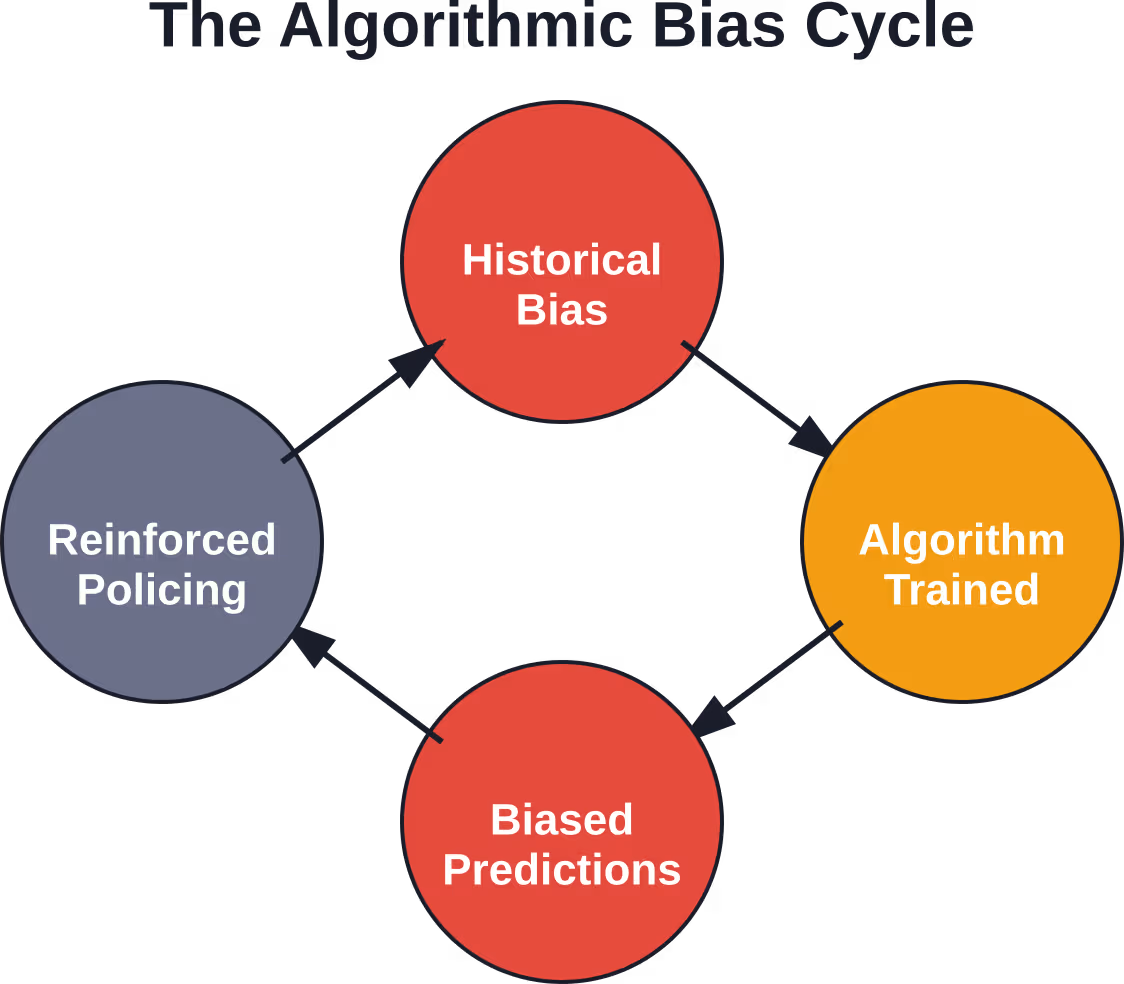
Data kunnen discriminerend zijn. Wanneer machine learning-modellen worden getraind op historische arrestatiegegevens, nemen ze decennia aan bevooroordeelde politiepraktijken over. Als bepaalde buurten historisch gezien overmatig bewaakt zijn door de politie, zal het algoritme daar hogere criminaliteitscijfers voorspellen – waardoor een zichzelf versterkende cyclus ontstaat.
Uit een analyse van RAND bleek dat wat aanvankelijk een verschil van 1 tot 2 procent lijkt, na verloop van tijd tot grotere problemen kan leiden. Kleine algoritmische vertekeningen stapelen zich op en treffen bepaalde gemeenschappen onevenredig hard.
De NAACP heeft de wetgevers van de staten opgeroepen om voorspellende politiemethoden en kunstmatige intelligentie binnen de wetshandhavingsinstanties te evalueren en te reguleren, vanwege toenemend bewijs dat deze instrumenten discriminatie eerder in stand houden dan uitbannen.
Uitdagingen op het gebied van transparantie en verantwoording
Veel machine learning-systemen werken als black boxes. Agenten ontvangen risicoscores of misdaadvoorspellingen zonder te begrijpen hoe het algoritme tot die conclusie is gekomen.
Dit leidt tot problemen met de verantwoordingsplicht. Als een algoritme aanbeveelt om borgtocht te weigeren of een wijk aan te wijzen voor extra patrouilles, wie is er dan verantwoordelijk als die beslissing discriminerend blijkt te zijn? De leverancier die het systeem heeft ontwikkeld? De afdeling die het heeft geïmplementeerd? De agent die ernaar heeft gehandeld?
De interpretatie van beelden van bodycamera's door AI roept vergelijkbare vragen op. Bedrijven beloven algoritmes die gebeurtenissen in de beelden kunnen beschrijven, maar IEEE Spectrum heeft zijn twijfels geuit over het vermogen van AI om complexe, ambigue situaties nauwkeurig te interpreteren.
Het gebruik door de politie van Norfolk van een controversieel algoritme om te helpen beslissen over hechtenis, laat zien hoe afhankelijkheid van technologie het publieke vertrouwen kan ondermijnen, vooral wanneer de logica achter beslissingen ondoorzichtig blijft.
Regelgevings- en toezichtskaders
Het National Institute of Standards and Technology heeft een raamwerk voor AI-risicobeheer gepubliceerd, gericht op het kweken van vertrouwen in AI-technologieën, het bevorderen van innovatie en het beperken van risico's. De implementatie ervan door duizenden lokale wetshandhavingsinstanties is echter nog steeds inconsistent.
Overheden op staats- en lokaal niveau beginnen richtlijnen op te stellen voor de toepassing van kunstmatige intelligentie in de rechtshandhaving. Deze richtlijnen behandelen onderwerpen als datakwaliteit, transparantie van algoritmen, het testen op vooringenomenheid en burgerlijk toezicht.
Continue training is essentieel. Politieagenten moeten zowel de mogelijkheden als de beperkingen van de AI-tools die ze gebruiken begrijpen. Technologieleveranciers moeten duidelijke documentatie verstrekken over trainingsgegevens, nauwkeurigheidspercentages en bekende fouten.
Het evenwicht vinden tussen innovatie en burgerrechten.
De vraag is niet of de politie machine learning zou moeten gebruiken, maar hoe deze tools op een verantwoorde manier ingezet kunnen worden.
Uit huidig onderzoek en beleidsdiscussies komen verschillende principes naar voren:
| Beginsel | Uitvoering |
|---|---|
| Transparantie | Openbare documentatie van algoritmen, trainingsgegevensbronnen en nauwkeurigheidsstatistieken. |
| Verantwoordelijkheid | Duidelijke verantwoordelijkheidslijnen voor algoritmische beslissingen en regelmatige audits. |
| Vooroordelen testen | Doorlopende evaluatie van de ongelijke impact op verschillende demografische groepen. |
| Menselijk toezicht | Algoritmen ondersteunen beslissingen, maar nemen ze niet volledig autonoom. |
| Input vanuit de gemeenschap | Civiele toezichtsraden met de bevoegdheid om AI-implementaties te beoordelen. |
Om de belofte van algoritmen echt waar te maken, is, zoals het onderzoek van Boston University suggereert, een radicale herziening van hun gebruik nodig. Dat betekent dat we moeten beginnen met vragen over eerlijkheid en gelijkheid, in plaats van ze als een bijzaak te beschouwen.
De weg vooruit
Machine learning in de rechtshandhaving zal niet verdwijnen. De technologie biedt, mits doordacht toegepast, daadwerkelijke voordelen voor de openbare veiligheid.
Maar de risico's zijn te groot voor blinde adoptie. Het strafrecht heeft een grote impact op levens, gezinnen en gemeenschappen. Algoritmes die historische onrechtvaardigheden in stand houden, ondermijnen zowel de openbare veiligheid als het publieke vertrouwen.
De weg vooruit vereist samenwerking tussen technologen, wetshandhavers, beleidsmakers, voorvechters van burgerrechten en de getroffen gemeenschappen. Het vereist transparantie over wat deze systemen wel en niet kunnen. En het vereist een voortdurende inzet om vooroordelen te identificeren en te corrigeren.
Klinkt dit bekend? Dat zou het moeten. Technologie versterkt menselijke keuzes – zowel goede als slechte. De vraag is welke keuzes de wetshandhaving prioriteit zal geven.
Veelgestelde vragen
Wat is machine learning in de rechtshandhaving?
Machine learning in de rechtshandhaving verwijst naar kunstmatige intelligentiesystemen die misdaadgegevens analyseren, patronen identificeren, criminele activiteiten voorspellen en helpen bij bewijsmateriaalbeheer. Toepassingen zijn onder meer voorspellende politiemethoden, misdaadopsporing, patroonherkenning en risicobeoordelingsinstrumenten.
Hoe werkt voorspellende politievoering?
Voorspellende politiemethoden maken gebruik van machine learning-algoritmen om historische misdaadgegevens te analyseren – locaties, tijdstippen, soorten delicten – om te voorspellen waar en wanneer misdrijven het meest waarschijnlijk zullen plaatsvinden. Rechtshandhavingsinstanties zetten vervolgens patrouillemiddelen in op basis van deze voorspellingen.
Wat zijn de belangrijkste zorgen over AI in de politiepraktijk?
De belangrijkste zorgen betreffen onder meer algoritmische vooringenomenheid die voortkomt uit historische politiegegevens, gebrek aan transparantie in de besluitvorming van systemen, lacunes in de verantwoording wanneer algoritmen discriminerende resultaten opleveren, en de potentiële aantasting van het vertrouwen van de gemeenschap en de burgerlijke vrijheden door technologie.
Kunnen algoritmes vooringenomenheid in de strafrechtspleging verminderen?
In theory zouden algoritmes objectiever kunnen zijn dan mensen. In de praktijk laat onderzoek van Boston University en andere instellingen echter zien dat AI-systemen vaak bestaande vooroordelen in stand houden, omdat ze getraind worden op historische data die discriminerende politiepraktijken weerspiegelen. Volgens een analyse van RAND kunnen zelfs kleine aanvankelijke verschillen van 1 tot 2 procent na verloop van tijd uitgroeien tot grotere problemen.
Hoe worden wetshandhavingsinstanties gereguleerd in hun gebruik van AI?
De regelgeving verschilt per rechtsgebied. Sommige staten hebben richtlijnen opgesteld voor AI-toepassingen in de rechtshandhaving, terwijl andere staten minimaal toezicht houden. Het National Institute of Standards and Technology heeft raamwerken voor risicobeheer gepubliceerd en organisaties zoals de NAACP pleiten voor een strengere evaluatie en regulering van voorspellende politietools op staatsniveau.
Wat is patroonherkenningssoftware in de politiepraktijk?
Patroonherkenningssoftware analyseert misdaadrapporten, arrestatiegegevens en incidentgegevens om misdaadreeksen, serieplegers en gedragspatronen te identificeren die menselijke analisten mogelijk over het hoofd zien. De Patternizer van de NYPD is een voorbeeld van patroonherkenningssoftware die wordt gebruikt om verbanden tussen criminele activiteiten te leggen.
Zou de politie machine learning-tools moeten gebruiken?
De vraag is niet óf we machine learning moeten gebruiken, maar hoe we het op een verantwoorde manier kunnen inzetten. Met de juiste transparantie, bias-testen, menselijk toezicht, inbreng vanuit de gemeenschap en verantwoordingskaders kunnen deze instrumenten de openbare veiligheid ondersteunen. Zonder die waarborgen dreigen ze historische onrechtvaardigheden te versterken en het publieke vertrouwen te ondermijnen.