Kurzzusammenfassung: Maschinelles Lernen im ERP-Bereich transformiert traditionelle ERP-Systeme durch die Automatisierung von Aufgaben, die Vorhersage von Trends und die Ermöglichung datengestützter Entscheidungen. Durch die Integration von ML-Algorithmen in ERP-Plattformen können Unternehmen Lieferketten optimieren, die Nachfrage prognostizieren, Anomalien erkennen und die Benutzererfahrung personalisieren – was letztendlich die betriebliche Effizienz und den Wettbewerbsvorteil steigert.
Enterprise-Resource-Planning-Systeme (ERP-Systeme) werden seit Jahrzehnten zur Steuerung von Geschäftsabläufen eingesetzt. Bisher erforderten sie jedoch manuelle Eingaben, starre Regelwerke und ständige menschliche Überwachung.
Das ändert sich. Maschinelles Lernen stattet ERP-Plattformen mit Intelligenz aus und verwandelt sie von passiven Datenspeichern in aktive Entscheidungsunterstützungssysteme.
Der globale Markt für ERP-Software wurde im Jahr 2025 auf 77,08 Milliarden US-Dollar geschätzt und soll bis 2026 auf rund 83,19 Milliarden US-Dollar anwachsen. Da Unternehmen nach Wettbewerbsvorteilen streben, ist die Integration von ML-Funktionen in diese Systeme nicht mehr optional – sie wird für das Überleben unerlässlich.
Hier erfahren Sie, wie diese Integration in der Praxis aussieht, warum sie wichtig ist und wie sie alles von der Lieferkettenverwaltung bis zur Finanzplanung verändert.
Was maschinelles Lernen für ERP-Systeme bringt
Maschinelles Lernen ermöglicht es Computern, ohne explizite Programmierung zu lernen. Angewendet auf ERP-Daten, erkennen ML-Algorithmen Muster, treffen Vorhersagen und automatisieren komplexe Entscheidungen, die zuvor menschliches Urteilsvermögen erforderten.
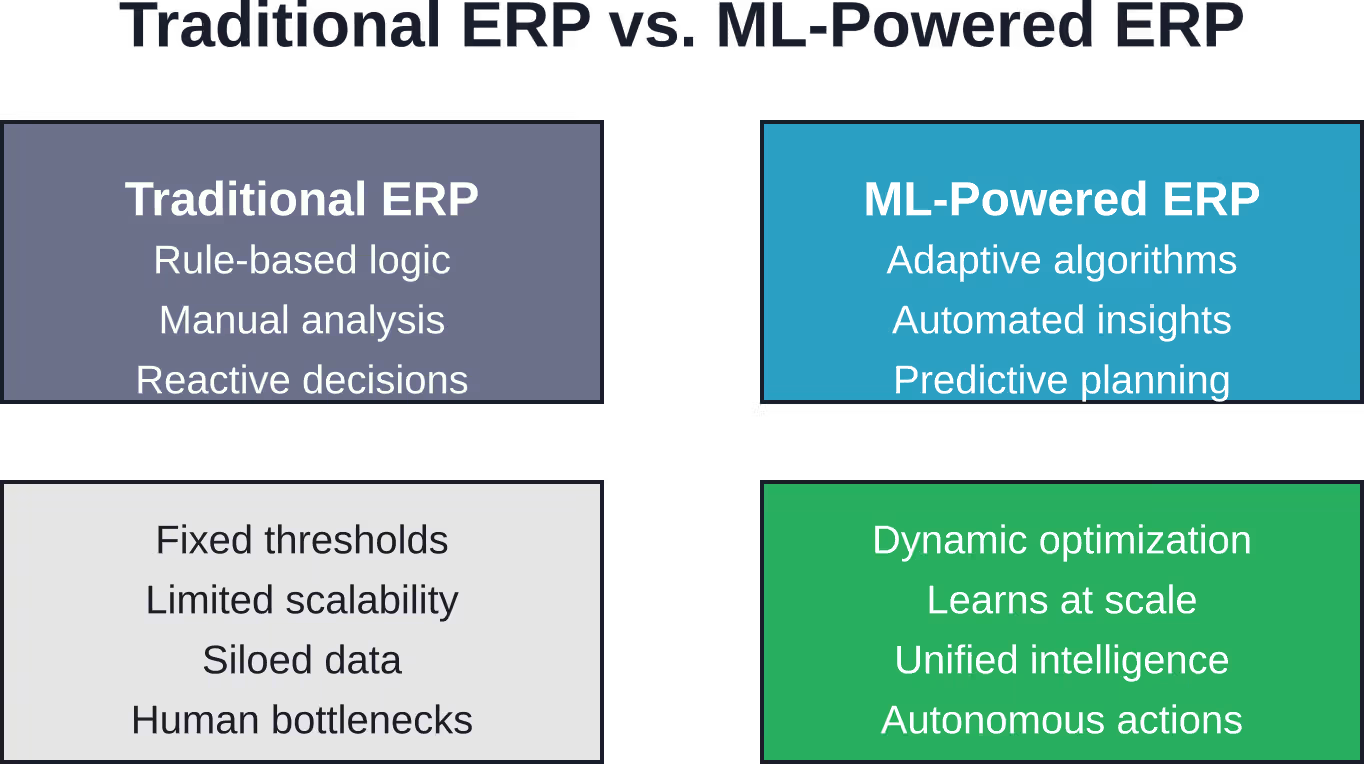
Herkömmliche ERP-Systeme folgen vordefinierten Regeln. Sinkt der Lagerbestand unter den Schwellenwert X, werden Y Einheiten nachbestellt. Einfache Logik, aber unflexibel.
ML-gestützte ERP-Systeme analysieren gleichzeitig historische Daten, saisonale Trends, Marktbedingungen und Dutzende weiterer Variablen. Sie folgen nicht einfach nur Regeln, sondern passen diese an die tatsächlichen Gegebenheiten an.
Die Integration vereint verschiedene KI-Technologien: Algorithmen für maschinelles Lernen zur Mustererkennung, Verarbeitung natürlicher Sprache für die Benutzerinteraktion und prädiktive Analysen für Prognosen. Gemeinsam steuern diese Funktionen alle Geschäftsbereiche, von der Finanzabteilung über den Einkauf bis hin zur Lieferkettenlogistik.
Wichtige ML-Technologien in modernen ERP-Systemen
Verschiedene Ansätze des maschinellen Lernens verändern die Funktionalität von ERP-Systemen:
- Beim überwachten Lernen werden Modelle anhand von gekennzeichneten historischen Daten trainiert, um Ergebnisse wie Umsatzprognosen oder Lieferverzögerungen vorherzusagen.
- Unüberwachtes Lernen entdeckt verborgene Muster in Daten ohne vordefinierte Kategorien und ist nützlich für die Kundensegmentierung.
- Reinforcement Learning optimiert Entscheidungen durch Ausprobieren und Irrtum und ist daher ideal für die Optimierung von Lieferkettenrouten.
- Deep Learning verarbeitet komplexe, unstrukturierte Daten wie Rechnungen, E-Mails und Verträge.
Eine von IEEE veröffentlichte Studie untersucht maschinelle Lernverfahren zur Optimierung des ERP-Lieferkettenmanagements mithilfe von Ameisenkolonieoptimierung und Gradient Boosting Decision Trees (GBDT). Diese fortschrittlichen Algorithmen lösen komplexe Logistikprobleme, die mit herkömmlichen regelbasierten Systemen nicht effizient bewältigt werden können.
Kernanwendungen von ML in ERP-Plattformen
Die praktischen Anwendungsbereiche erstrecken sich über alle wichtigen ERP-Module. Schauen wir uns an, wo maschinelles Lernen die größten messbaren Auswirkungen hat.
Bedarfsplanung und Bestandsoptimierung
IEEE-Forschungsergebnisse zeigen, wie maschinelles Lernen zur Absatzprognose in Odoo ERP integriert werden kann, um die Bestandsverwaltung im Einzelhandel zu automatisieren. Die ML-Modelle analysieren historische Verkaufsdaten, saisonale Muster, Aktionskalender und externe Faktoren wie Wetter oder Konjunkturindikatoren.
Das Ergebnis? Genauere Nachfrageprognosen, die sowohl Fehlbestände als auch Überbestände reduzieren.
ERP-Systeme für die Fertigungsindustrie profitieren besonders von dieser Funktion. Die Produktionsplanung ist auf präzise Prognosen angewiesen. Wenn Algorithmen des maschinellen Lernens Nachfragespitzen drei Monate im Voraus vorhersagen, können Hersteller Produktionspläne anpassen, Rohstoffe sichern und Arbeitskräfte effizient einsetzen.
Diskussionen unter ERP-Anwendern zeigen, dass allein die Optimierung des Lagerbestands die Lagerkosten um zweistellige Prozentzahlen senken und gleichzeitig die Kundenzufriedenheit durch eine bessere Produktverfügbarkeit steigern kann.
Finanzplanung und vorausschauende Budgetierung
Laut IEEE-Veröffentlichungen ermöglicht die auf maschinellem Lernen basierende prädiktive Analytik für die Finanzplanung und Budgetierung in ERP-Systemen Unternehmen, den Cashflow vorherzusagen, Ausgabenanomalien zu identifizieren und die Budgetzuweisungen zu optimieren.
Die traditionelle Budgetplanung stützt sich auf historische Durchschnittswerte und Schätzungen des Managements. ML-Modelle hingegen berücksichtigen Hunderte von Variablen: vergangene Ausgabenmuster, Marktbedingungen, geplante Initiativen, Preisentwicklungen der Lieferanten und makroökonomische Indikatoren.
Diese Systeme weisen frühzeitig auf potenzielle Budgetüberschreitungen hin. Sie identifizieren Kosteneinsparmöglichkeiten, indem sie redundante Ausgaben oder günstige Preisfenster bei Anbietern aufspüren.
Finanzabteilungen, die ML-gestützte ERP-Plattformen nutzen, treffen schnellere und genauere Entscheidungen, da das System Erkenntnisse liefert, deren manuelle Ermittlung Analysten Wochen kosten würde.
Supply Chain Optimierung
Lieferketten beinhalten unzählige Variablen: Zuverlässigkeit der Lieferanten, Transportkosten, Effizienz der Routen, Verzögerungen beim Zoll, Lagerkapazität und Nachfrageschwankungen.
Maschinelle Lernalgorithmen eignen sich hervorragend zur Optimierung solcher multivariater Probleme. Die im IEEE veröffentlichte Forschung zu Ameisenkolonieoptimierung und GBDT für das ERP-Lieferkettenmanagement zeigt, wie ML-Ansätze Komplexitäten bewältigen, die traditionelle Methoden überfordern.
Zu den Vorteilen in der Praxis gehören:
- Routenoptimierung, die die Transportkosten um 10-20% reduziert
- Lieferantenleistungsprognose zur Vermeidung von Störungen
- Lagerflächennutzung zur Maximierung der Lagereffizienz
- Lieferzeitprognosen, die die Kundenkommunikation verbessern
Die Forschung der Purdue University untersucht die Vorhersage von Verzögerungen in Lieferprozessen mithilfe von maschinellem Lernen und ermöglicht so ein proaktives statt reaktives Lieferkettenmanagement.
Intelligente Prozessautomatisierung
Maschinelles Lernen analysiert nicht nur Daten, sondern automatisiert auch Aktionen. Routineaufgaben wie Rechnungsverarbeitung, Genehmigung von Bestellungen und Dateneingabe werden von Algorithmen übernommen, die darauf trainiert sind, Muster zu erkennen und Standardentscheidungen zu treffen.
Doch jetzt wird es interessant. Im Gegensatz zur starren robotergestützten Prozessautomatisierung (RPA) passt sich die ML-basierte Automatisierung an. Trifft ein Algorithmus auf ein ihm unbekanntes Rechnungsformat, lernt er vom menschlichen Umgang damit und wendet dieses Wissen auf ähnliche Fälle an.
Die IEEE-Forschung zur Datenkonvertierung bei der ERP-SaaS-Implementierung mit generativer KI zeigt, wie diese Technologien traditionell arbeitsintensive ERP-Prozesse optimieren.
Die Effizienzgewinne summieren sich. Je mehr Transaktionen die Systeme verarbeiten, desto besser bewältigen sie Sonderfälle, wodurch der Bedarf an menschlichen Eingriffen mit der Zeit abnimmt.

Verbessern Sie ERP-Datenworkflows mit AI Superior
ERP-Systeme enthalten große Mengen an Betriebs-, Finanz-, Logistik- und Kundendaten, die manuell nur schwer zu analysieren sind. AI Superior hilft Unternehmen dabei, maschinelles Lernen strukturiert in ERP-Umgebungen anzuwenden, insbesondere wenn es um Vorhersage, Automatisierung, Anomalieerkennung oder Prozessoptimierung geht.
AI Superior kann ERP-bezogene ML-Projekte unterstützen mit:
- Überprüfung der ERP-Datenquellen und der Systemstruktur
- Definition praktischer ML-Anwendungsfälle für den Betrieb oder die Berichterstattung
- Erstellung von Machbarkeitsstudienmodellen
- Entwicklung von Vorhersage-, Klassifizierungs- oder Anomalieerkennungsmodellen
- Zuverlässigkeit des Modells vor der Implementierung prüfen
- Planungsintegration mit ERP-Software und internen Arbeitsabläufen
- Unterstützung der KI-Implementierung von der Konzeption bis zur Bereitstellung
Bei ERP-Systemen kann dies beispielsweise für Bedarfsplanung, Bestandsprognose, Prozessautomatisierung, Erkennung von Finanzanomalien, Beschaffungsanalysen und Unterstützung des operativen Berichtswesens gelten.
Kontaktieren Sie AI Superior um das Projekt zu besprechen.
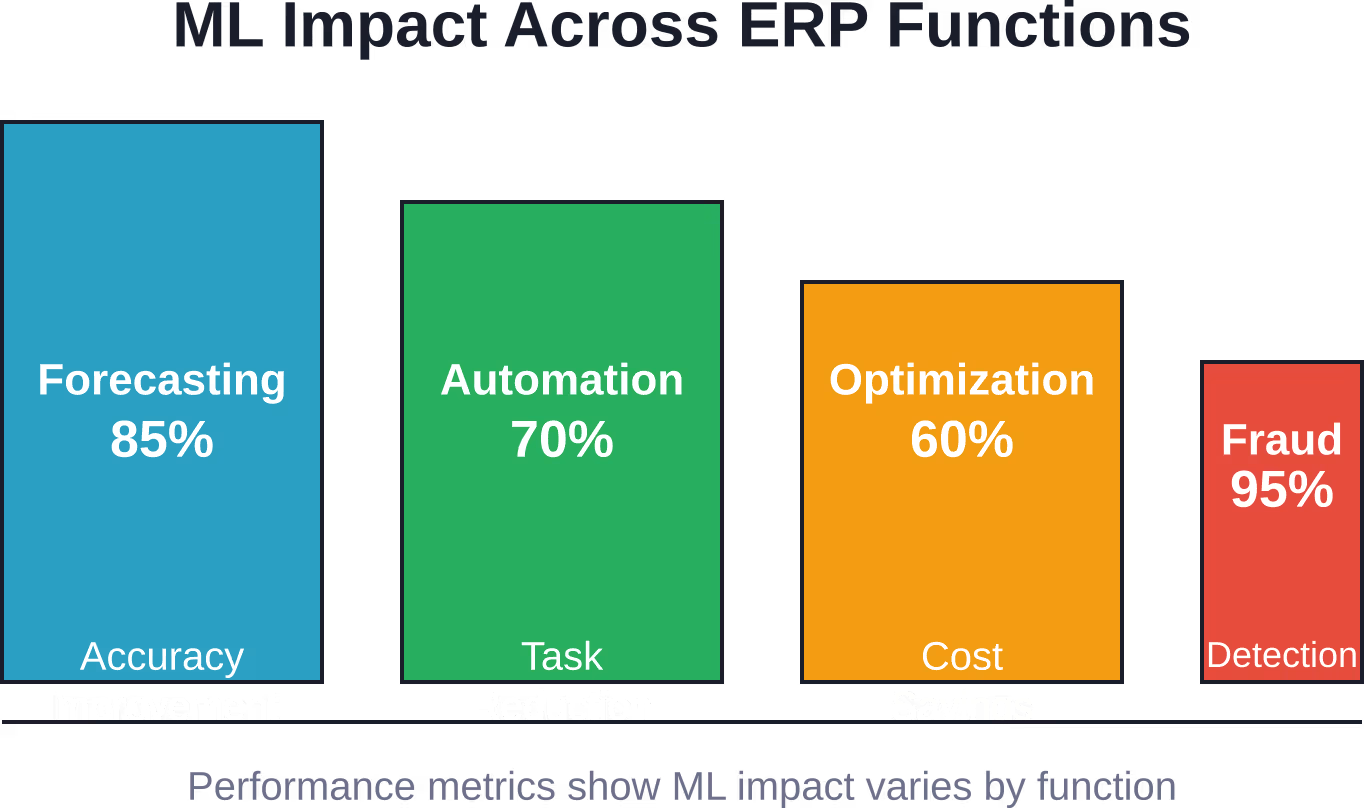
Vorteile, die Organisationen tatsächlich sehen
Die theoretischen Vorteile klingen vielversprechend. Doch welche Erfahrungen machen Unternehmen tatsächlich nach der Implementierung von ML in ihren ERP-Systemen?
Verbesserte Geschwindigkeit und Qualität der Entscheidungsfindung
Manager treffen schneller bessere Entscheidungen, wenn ML-Algorithmen relevante Erkenntnisse zum richtigen Zeitpunkt liefern. Anstatt Berichte anzufordern und tagelang auf die Analyse zu warten, erhalten Entscheidungsträger Echtzeit-Empfehlungen, die auf umfassenden Datenanalysen basieren.
ERP-Systeme für die Fertigungsindustrie nutzen maschinelles Lernen, um die Produktionsplanung anhand von Maschinenverfügbarkeit, Mitarbeiterqualifikationen, Materialbestand und Auftragsprioritäten – und zwar gleichzeitig – zu optimieren. Menschliche Planer könnten all diese Variablen nicht in Echtzeit berücksichtigen.
Proaktives statt reaktives Handeln
Herkömmliche ERP-Systeme erfassen, was geschehen ist. ML-gestützte Plattformen prognostizieren, was geschehen wird, und empfehlen Präventivmaßnahmen.
Die Instandhaltung von Anlagen verlagert sich von planmäßigen Intervallen hin zu zustandsorientierten Prognosen. Das System kennzeichnet Maschinen, die voraussichtlich innerhalb der nächsten Woche ausfallen werden, basierend auf Sensordaten, Nutzungsmustern und historischen Ausfallmustern.
Dieser proaktive Ansatz verhindert kostspielige Ausfallzeiten und verlängert die Lebensdauer der Anlagen.
Personalisierte Benutzererfahrungen
Algorithmen des maschinellen Lernens erfassen individuelle Nutzungsmuster und Präferenzen. Das System passt die Benutzeroberflächen an, um die Daten und Funktionen hervorzuheben, die jeder Nutzer am häufigsten verwendet.
Für Mitarbeiter, die regelmäßig bestimmte Transaktionstypen bearbeiten, stellt das ERP-System diese Arbeitsabläufe prominent dar. Führungskräften, die sich auf bestimmte KPIs konzentrieren, werden diese Kennzahlen automatisch in Dashboards priorisiert.
Diese Personalisierung verkürzt die Einarbeitungszeit und steigert die Produktivität. Nutzer verbringen weniger Zeit mit der Menünavigation und mehr Zeit mit der Ausführung von Aufgaben.
Betrugserkennung und Sicherheitsverbesserung
Anomalieerkennungsalgorithmen identifizieren verdächtige Transaktionen, die von normalen Mustern abweichen. Diese Systeme decken Betrugsversuche auf, die regelbasierte Kontrollen umgehen, da sie subtile Verhaltensmuster erkennen, anstatt nur nach spezifischen Warnsignalen zu suchen.
Finanzmodule profitieren besonders. ML-Modelle erkennen ungewöhnliche Zahlungsbeträge, anormale Genehmigungsmuster, doppelte Rechnungen und Anomalien bei Lieferanten, die auf potenziellen Betrug oder Fehler hinweisen.
| Fähigkeit | Traditionelles ERP | ML-gestütztes ERP |
|---|---|---|
| Nachfragevorhersage | Historische Mittelwerte, manuelle Anpassungen | Verbesserung der Genauigkeit multivariabler Vorhersagemodelle (15-25%) |
| Prozessautomatisierung | Feste Regeln, behandelt nur Standardfälle | Adaptives Lernen, das Ausnahmen im Laufe der Zeit behandelt |
| Anomalieerkennung | Regelbasierte Schwellenwerte, hohe Anzahl falsch positiver Ergebnisse | Mustererkennung, Reduzierung falsch positiver Ergebnisse bei 60-80% |
| Entscheidungsunterstützung | Statische Berichte, reaktive Analysen | Echtzeit-Einblicke, proaktive Empfehlungen |
| Benutzererfahrung | Einheitliche Benutzeroberfläche für alle Benutzer | Personalisierte Arbeitsabläufe und Dashboards |
Herausforderungen und Überlegungen bei der Implementierung
Maschinelles Lernen in ERP-Systemen ist nicht einfach per Plug-and-Play zu implementieren. Unternehmen stoßen bei der Einführung dieser Funktionen auf echte Hindernisse.
Anforderungen an die Datenqualität
ML-Algorithmen sind nur so gut wie die Daten, mit denen sie trainiert werden. Daten von geringer Qualität führen zu unzuverlässigen Vorhersagen.
Viele Unternehmen stellen fest, dass ihre ERP-Daten Inkonsistenzen, Lücken oder Fehler aufweisen, die zwar die herkömmliche Berichtserstellung nicht beeinträchtigen, aber maschinelle Lernmodelle lahmlegen. Die Bereinigung und Normalisierung der Daten wird daher zur Grundvoraussetzung.
Manche ML-Modelle benötigen zudem vor dem Training normalisierte Daten. Die Datenaufbereitungsphase dauert oft länger als von den Unternehmen erwartet.
Integrationskomplexität
Die Integration von ML-Funktionen in bestehende ERP-Systeme ist nicht trivial. Ältere Plattformen verfügen möglicherweise nicht über die notwendigen APIs, Datenstrukturen oder die erforderliche Recheninfrastruktur, um moderne ML-Workloads zu unterstützen.
Organisationen stehen vor Entscheidungen: bestehende Systeme nachrüsten, auf ML-fähige ERP-Plattformen migrieren oder ML-Funktionen als separate Module einsetzen, die in das ERP-Kernsystem integriert werden.
Jeder Ansatz birgt Kompromisse hinsichtlich Kosten, Störungen und langfristiger Flexibilität.
Die Ausfallrate von KI-Projekten
Laut Forschungsergebnissen scheitern bis zu 80 Prozent der KI-Projekte. Das ist eine ernüchternde Statistik.
Laut einer Studie von Jeanne Ross im MIT Sloan Review hängt der Nutzen von KI auf Unternehmensebene davon ab, wie die Mitarbeiter eines Unternehmens sie einsetzen. Technologie allein garantiert keinen Erfolg – die organisatorische Bereitschaft, das Change-Management und die Akzeptanz durch die Nutzer bestimmen die Ergebnisse.
Gemäß den offiziellen Richtlinien des NIST fördert die Organisation Innovation und Vertrauen in Design, Entwicklung, Anwendung und Steuerung künstlicher Intelligenz. Ihr Rahmenwerk für KI-Risikomanagement bietet Organisationen, die KI-Systeme implementieren, einschließlich ERP-Integrationen, Orientierung.
Drei Faktoren erhöhen die Erfolgswahrscheinlichkeit:
- Beginnen Sie mit klar definierten, messbaren Geschäftsproblemen, anstatt ML um seiner selbst willen zu implementieren.
- Vor der Implementierung die Unterstützung der Führungsebene und die Zustimmung aller Abteilungen sicherstellen.
- Setzen Sie auf schrittweise Verbesserungen, anstatt von Anfang an Perfektion zu erwarten.
Kompetenz- und Fachwissenslücken
ML-gestützte ERP-Systeme erfordern andere Kompetenzen als herkömmliche Implementierungen. Unternehmen benötigen Data Scientists, ML-Ingenieure und Analysten, die sowohl die Technologie als auch die Geschäftsprozesse verstehen.
Talente mit dieser hybriden Expertise zu finden, ist eine Herausforderung. Die Schulung bestehender ERP-Teams in ML-Konzepten oder die Weiterbildung von Data Scientists zu ERP-Workflows erfordert Zeit und Ressourcen.
Zukünftige Entwicklungen und neue Trends
Die Integration von maschinellem Lernen in ERP-Systeme entwickelt sich stetig weiter. Mehrere Trends prägen die zukünftige Entwicklung dieser Technologie.
Erklärbare KI für Geschäftsanwender
Frühe ML-Implementierungen lieferten Empfehlungen, ohne die Begründung zu erläutern. Geschäftsanwender zögerten, “Black-Box”-Algorithmen zu vertrauen, die sie nicht verstehen konnten.
Erklärbare KI begegnet diesem Problem, indem sie Transparenz darüber schafft, wie Modelle zu ihren Schlussfolgerungen gelangen. Empfiehlt das System beispielsweise, einen Produktionslauf zu verschieben, erklärt es: “Basierend auf den Liefermustern der Zulieferer ist es wahrscheinlich, dass Rohmaterial mit einer Wahrscheinlichkeit von 78% verspätet eintrifft. Historische Daten zeigen, dass eine Wartezeit von 3 Tagen die Fehlerrate um 12% reduziert.”
Diese Transparenz schafft Vertrauen bei den Nutzern und ermöglicht es Managern, Empfehlungen zu überschreiben, wenn ihnen Informationen vorliegen, die dem Modell fehlen.
Generative KI für ERP-Aufgaben
Die IEEE-Forschung zur Datenkonvertierung bei der ERP-SaaS-Implementierung mit generativer KI zeigt, wie diese Technologien traditionell komplexe Prozesse optimieren.
Generative KI kann Berichte erstellen, Datenmigrationsskripte generieren, Testszenarien erstellen und sogar benutzerdefinierten Code für ERP-Erweiterungen schreiben. Diese Funktionen beschleunigen die Implementierung und reduzieren die Beratungskosten.
Das Center for AI Standards and Innovation (CAISI) des NIST hat am 17. Februar 2026 offiziell die AI Agent Standards Initiative ins Leben gerufen. Diese Initiative soll sicherstellen, dass die nächste Generation von KI – einschließlich autonomer Agenten in ERP-Systemen – sicher funktioniert und reibungslos im gesamten digitalen Ökosystem interoperabel ist.
Edge Computing für Echtzeitverarbeitung
Manche ML-Anwendungen erfordern sofortige Reaktionen, die cloudbasierte Verarbeitung aufgrund von Latenzzeiten nicht liefern kann. Edge Computing bringt ML-Inferenzfunktionen direkt in Produktionshallen, Lager und Einzelhandelsgeschäfte.
Sensoren an Produktionsanlagen führen lokal schlanke ML-Modelle aus, um Qualitätsprobleme in Echtzeit zu erkennen. Das ERP-System erhält aggregierte Erkenntnisse, während Edge-Geräte zeitkritische Entscheidungen autonom treffen.
Erste Schritte mit ML-gestütztem ERP
Organisationen, die diese Technologie in Betracht ziehen, sollten die Implementierung strategisch angehen.
Beginnen Sie klein. Identifizieren Sie einen Anwendungsfall mit hohem Nutzen, der über saubere Daten und messbare Ergebnisse verfügt. Bedarfsplanung oder Rechnungsverarbeitung sind gängige Ausgangspunkte, da sie einen klaren ROI liefern und keine unternehmensweiten Änderungen erfordern.
Prüfen Sie die Datenverfügbarkeit, bevor Sie mit ML-Projekten beginnen. Führen Sie Datenqualitätsprüfungen der ERP-Module durch, die Sie erweitern möchten. Beheben Sie Datenprobleme zuerst.
Wählen Sie nach Möglichkeit ERP-Plattformen mit integrierten ML-Funktionen. Die Nachrüstung älterer Systeme ist teurer und leistungsschwächer als Plattformen, die von Grund auf für die KI-Integration konzipiert wurden.
Basierend auf den verfügbaren Daten erzielen erfolgreiche Implementierungen bei fokussierten Anwendungsfällen typischerweise innerhalb von 12 bis 18 Monaten einen ROI. Umfassendere Implementierungen dauern länger, bieten aber kumulative Vorteile, da mehrere Funktionen von ML-Fähigkeiten profitieren.
Laut einer Quelle, die in einem Konkurrenzprodukt zitiert wird, sagte Gartner voraus, dass 701.030 Unternehmen bis 2021 KI einsetzen würden. Diese Prognose hat sich weitgehend bewahrheitet, obwohl der Grad der Implementierungen sehr unterschiedlich ist.
Häufig gestellte Fragen
Worin besteht der Unterschied zwischen KI und maschinellem Lernen im ERP-Bereich?
Künstliche Intelligenz (KI) ist der Oberbegriff für Maschinen, die Aufgaben ausführen, die typischerweise menschliche Intelligenz erfordern. Maschinelles Lernen (ML) ist ein Teilgebiet der KI, das es Systemen ermöglicht, aus Daten zu lernen, ohne explizit programmiert zu werden. Im Kontext von ERP-Systemen bezieht sich ML speziell auf Algorithmen, die Muster erkennen und auf Basis historischer Geschäftsdaten Vorhersagen treffen.
Unterstützen alle ERP-Systeme Funktionen des maschinellen Lernens?
Nein. Herkömmliche ERP-Plattformen bieten in der Regel keine native Unterstützung für maschinelles Lernen und erfordern Integrationen von Drittanbietern oder individuelle Entwicklungen. Moderne cloudbasierte ERP-Systeme verfügen zunehmend über integrierte Funktionen für maschinelles Lernen, deren Funktionsumfang jedoch variiert. Unternehmen sollten die Funktionen für maschinelles Lernen bei der Auswahl eines ERP-Systems berücksichtigen, wenn diese für sie strategische Priorität haben.
Wie viele Daten werden benötigt, um ML-Modelle in ERP-Systemen zu trainieren?
Effektive ML-Modelle benötigen in der Regel umfangreiche historische Daten – typischerweise mindestens ein bis zwei Jahre an Transaktionsdaten, abhängig vom Anwendungsfall. Prognosemodelle benötigen genügend Daten, um saisonale Muster und Trends zu erfassen. Mehr Daten verbessern in der Regel die Modellgenauigkeit, wobei die Datenqualität wichtiger ist als die Datenmenge.
Können auch kleine Unternehmen von maschinellem Lernen in ERP-Systemen profitieren oder ist das nur für Großunternehmen geeignet?
Kleine Unternehmen können davon profitieren, insbesondere von Cloud-ERP-Plattformen, die ML-Funktionen standardmäßig bieten und keine individuelle Entwicklung erfordern. Entscheidend ist die Auswahl von Anwendungsfällen, die der Unternehmensgröße entsprechen. Ein kleiner Einzelhändler könnte ML zur Bestandsoptimierung nutzen, während ein mittelständischer Hersteller sich auf vorausschauende Wartung konzentriert.
Was passiert, wenn ML-Vorhersagen falsch sind?
ML-Modelle sind nicht perfekt, und gelegentliche Fehlvorhersagen sind normal. Gut konzipierte Systeme beinhalten Konfidenzwerte, die unsichere Vorhersagen zur menschlichen Überprüfung kennzeichnen. Organisationen sollten die Möglichkeit zum manuellen Eingriff bieten, damit Führungskräfte Modellfehler korrigieren können. Das System sollte aus diesen Korrekturen lernen, um zukünftige Vorhersagen zu verbessern.
Wie verarbeitet maschinelles Lernen in ERP-Systemen Echtzeitdaten?
Die Echtzeitverarbeitung von maschinellem Lernen hängt von der verwendeten Infrastruktur und den Algorithmen ab. Einige Modelle analysieren Daten kontinuierlich während der Transaktionen und aktualisieren Vorhersagen nahezu in Echtzeit. Andere führen Stapelverarbeitung in festgelegten Intervallen durch. Edge Computing ermöglicht echte Echtzeit-Entscheidungen im Bereich des maschinellen Lernens für zeitkritische Anwendungen wie die Qualitätskontrolle in der Fertigung.
Ist maschinelles Lernen in ERP-Systemen ausreichend sicher für sensible Finanzdaten?
Sicherheit hängt von der Implementierung ab. Seriöse ERP-Anbieter integrieren ML-Funktionen in ihre bestehenden Sicherheitsframeworks und gewährleisten dabei Datenverschlüsselung, Zugriffskontrollen und Audit-Trails. Das NIST bietet mit seinem KI-Risikomanagement-Framework Leitlinien zur Sicherheit von KI-Systemen. Unternehmen sollten vor der Implementierung sicherstellen, dass ML-Funktionen ihren Compliance- und Sicherheitsanforderungen entsprechen.
Schlussfolgerung
Maschinelles Lernen wandelt ERP-Systeme von statischen Datenerfassungssystemen in intelligente Plattformen um, die vorhersagen, optimieren und automatisieren.
Die Technologie adressiert reale Herausforderungen von Unternehmen: präzisere Bedarfsprognosen, Optimierung komplexer Lieferketten, Betrugserkennung und Automatisierung von Routineaufgaben. Organisationen, die ML-Funktionen in ihre ERP-Systeme integrieren, erzielen Wettbewerbsvorteile durch schnellere und bessere Entscheidungen.
Doch Erfolg erfordert mehr als den Einsatz von Algorithmen. Datenqualität, organisatorische Bereitschaft und realistische Erwartungen bestimmen den Erfolg. Die Statistik, dass bis zu 80 Prozent der KI-Projekte scheitern, erinnert uns daran, dass Technologie allein keine Erfolgsgarantie bietet.
Beginnen Sie mit konkreten Anwendungsfällen, sauberen Daten und klaren Erfolgskennzahlen. Bauen Sie Ihre Expertise schrittweise auf. Nutzen Sie erste Erfolge, um größere Implementierungen zu finanzieren.
ERP-Plattformen, die maschinelles Lernen effektiv integrieren, werden die Unternehmenssoftware des nächsten Jahrzehnts prägen. Organisationen, die diese Fähigkeiten beherrschen, werden effizienter arbeiten, schneller auf Marktveränderungen reagieren und bessere strategische Entscheidungen treffen als Wettbewerber, die weiterhin auf traditionelle Systeme setzen.
Prüfen Sie die ML-Roadmap Ihrer aktuellen ERP-Plattform. Bewerten Sie Ihre Datenbereitschaft. Identifizieren Sie vielversprechende Anwendungsfälle. Der richtige Zeitpunkt zum Starten ist nicht, wenn die Konkurrenz bereits die Oberhand gewonnen hat – sondern jetzt.